
Siberian Husky
Also known as: Husky, Sibe
Energy Level
Apartment Friendly
Weight (Male)
45–60 lbs
Height (Male)
21–23.5 inches
Quick Facts
Coat Colors
Breed Summary
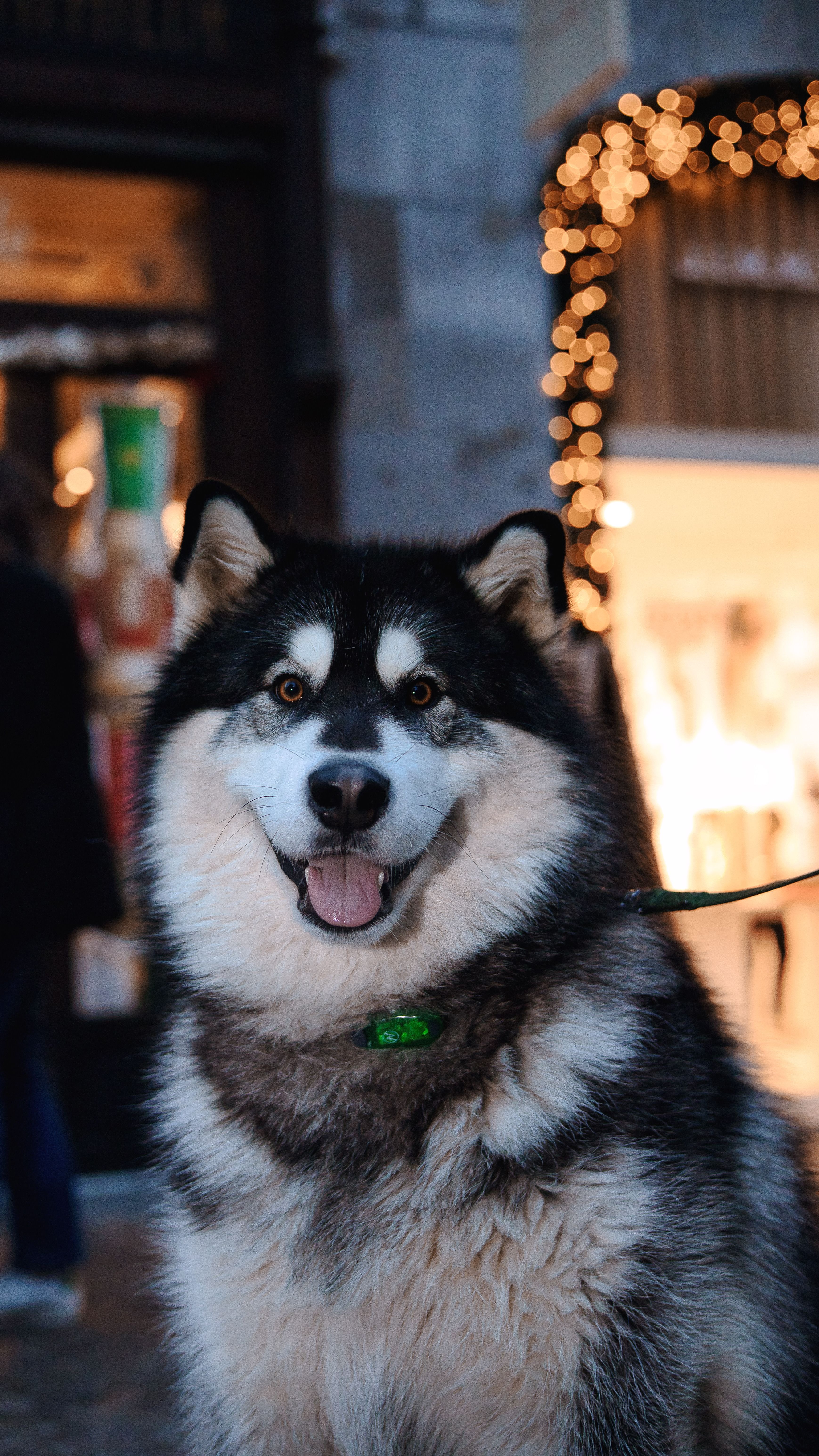
The Siberian Husky is a strikingly beautiful northern breed originally developed by the Chukchi people of northeastern Siberia as an endurance sled dog. With their wolf-like appearance, piercing blue or multicolored eyes, and free-spirited personality, Huskies are charismatic but challenging companions that need experienced, active owners.
History
Developed over thousands of years by the Chukchi people of northeastern Siberia as endurance sled dogs. The breed gained worldwide fame during the 1925 Nome Serum Run (the 'Great Race of Mercy') when sled dog teams, led by Huskies, delivered diphtheria antitoxin 674 miles across Alaska in brutal conditions. Balto, the lead dog of the final team, became a national hero.
Appearance
Siberian Huskies have a compact, athletic body built for endurance rather than speed. Their most striking features are their almond-shaped eyes, which can be blue, brown, amber, or heterochromatic. Their thick double coat, erect triangular ears, and fox-like brush tail give them a wolf-like appearance. They move with a smooth, effortless gait.
Temperament
Huskies are friendly, gentle, and remarkably social dogs. They are independent thinkers with a mischievous streak and a strong sense of adventure. They were bred to run and they love to run — escape artistry is practically a breed trait. They are not typically protective or territorial, preferring to greet everyone as a friend.
Personality Around Others
Huskies are extremely social with people, including strangers — they make terrible guard dogs. They generally get along well with other dogs, especially when raised together. Their strong prey drive means small animals (cats, rabbits) may be at risk. They love children but may be too energetic for toddlers.
Exercise Needs
Extremely high exercise needs — 1–2 hours of vigorous activity daily minimum. They were bred to run 100+ miles per day in harness. Running, hiking, skijoring, and sled dog sports are ideal. Without sufficient exercise, they become destructive and vocal. A tired Husky is the only well-behaved Husky.
Training
Intelligent but notoriously independent and stubborn. Training a Husky requires patience, consistency, and acceptance that they will always think for themselves. They are not eager-to-please dogs — they need motivation to comply. Positive reinforcement with variety works best. Off-leash reliability is nearly impossible to achieve.
Grooming
Moderate to high grooming needs. Their thick double coat requires brushing 2–3 times weekly, increasing to daily during heavy shedding. They blow their entire undercoat twice yearly in massive shedding events. They are naturally clean dogs with minimal odor. Never shave a Husky — their coat provides insulation against both heat and cold.
Health
Common Health Conditions
Generally one of the healthier breeds. Eye conditions are the most common concern. Their thick coat and active nature help maintain overall fitness. Responsible breeders screen for hip and eye issues.
Recommended Health Tests
- Hip Evaluation
- Ophthalmologist Evaluation
Average Annual Vet Cost
$400–$1,000
Nutrition
Feed a high-quality food formulated for active breeds. Huskies have efficient metabolisms and eat less than expected for their size — about 1.5–2 cups daily. They may refuse food when not active. Working sled dogs need significantly more calories during training season.
Living Environment
Not suitable for apartments. Huskies need a house with a large, VERY securely fenced yard. They are legendary escape artists — they can jump, dig under, and climb over fences. They thrive in cold climates and struggle in hot ones. Never leave them unsupervised in an unfenced area.
Ideal Family
Best for very active, experienced dog owners in cool climates. Ideal for those interested in sled dog sports, running, or hiking. Not suitable for first-time owners, hot climates, or those who want an obedient dog. Perfect for those who appreciate an independent, free-spirited companion.
Intelligence
Huskies are intelligent but express it through problem-solving and escape artistry rather than obedience. They consistently find creative solutions to obstacles — especially those between them and freedom. Their intelligence makes them entertaining but challenging.
Barking
Frequency
Alert
Separation
Quiet Indoors
Huskies are vocal dogs that howl, talk, and sing rather than bark traditionally. They are famous for their howling and dramatic vocalizations. They may howl when left alone.
Shedding
Year-Round
Seasonal
Vacuum Factor 🧹
Hypoallergenic
Extremely heavy shedders. They blow their entire undercoat twice yearly in events that can last weeks. Year-round shedding is significant. A powerful vacuum and lint rollers are essential.
Weather Tolerance
☀️
Heat
❄️
Cold
🌧️
Rain
🌨️
Snow
💧
Humidity
Breed Ratings
Fun Facts
Balto, a Siberian Husky, led the final leg of the 1925 Nome Serum Run, saving the town from a diphtheria epidemic.
Huskies can run over 100 miles per day while pulling a sled.
They have a special ability to regulate their metabolism, allowing them to run for hours without fatigue.
Huskies can have two different-colored eyes (heterochromia).
The Chukchi people let Huskies sleep with their children for warmth.
Famous Dogs
Balto
Led the final team in the 1925 Nome Serum Run, saving a town from diphtheria
Togo
The true hero of the Serum Run — covered the longest, most dangerous leg of 264 miles
Fritz
One of the first Siberian Huskies imported to Alaska for sled racing
Common Myths
"Huskies are part wolf."
Siberian Huskies are a domesticated dog breed. While they share ancestry with wolves (as do all dogs), they are not wolf hybrids. Their wolf-like appearance is a product of selective breeding.
"They can handle any cold weather."
While exceptionally cold-tolerant, Huskies still need shelter from extreme conditions. They should not live exclusively outdoors even in cold climates.
Frequently Asked Questions
Can Huskies live in hot climates?
They can survive in warmer climates but don't thrive in them. If you live in a hot area, exercise during cooler parts of the day, provide air conditioning, and never shave their coat — it insulates against heat too.
Why do Huskies escape so much?
Huskies were bred to run long distances and have strong independent instincts. They are incredibly resourceful at finding escape routes. A 6-foot fence with dig-proofing at the base is minimum security.
Adoption Tips
Many Huskies end up in rescue because owners underestimated their exercise needs and escape tendencies. Breed-specific rescues are excellent resources. Be brutally honest about your ability to manage this breed.
Puppy Guide
Husky puppies are adorable troublemakers. Begin training and socialization immediately but accept that obedience will always be a work in progress. Secure your yard before bringing a puppy home. Channel their energy into positive outlets. They need extensive exercise from a young age.
Senior Care
Senior Huskies may develop joint stiffness and eye problems but often remain active well into their golden years. Continue moderate exercise. Watch for vision changes. Their thick coat needs continued maintenance. They may become more affectionate with age.
Similar Breeds
Ownership Costs
Estimated Lifetime Cost
$14,000–$22,000
Pros and Cons
Pros
Strikingly beautiful appearance
Friendly and social with everyone
Excellent health and longevity
Great with other dogs and children
Athletic and adventurous companion
Cons
Extremely high exercise requirements
Master escape artists
Nearly impossible to train off-leash
Massive seasonal shedding
Not suitable for hot climates