
Akita
Also known as: Akita Inu, Japanese Akita, Great Japanese Dog
Energy Level
Apartment Friendly
Weight (Male)
100–130 lbs
Height (Male)
26–28 inches
Quick Facts
Coat Colors
Breed Summary
The Akita is a powerful, dignified breed from Japan known for unwavering loyalty. Made famous by the story of Hachiko, they are courageous, independent guardians that form deep bonds with their families while remaining reserved with strangers.
History
Originally bred in the mountains of northern Japan to hunt bear, elk, and boar, the Akita is a national treasure of Japan. The most famous Akita, Hachiko, waited at a train station for his deceased owner every day for nine years, becoming a symbol of loyalty in Japanese culture.
Appearance
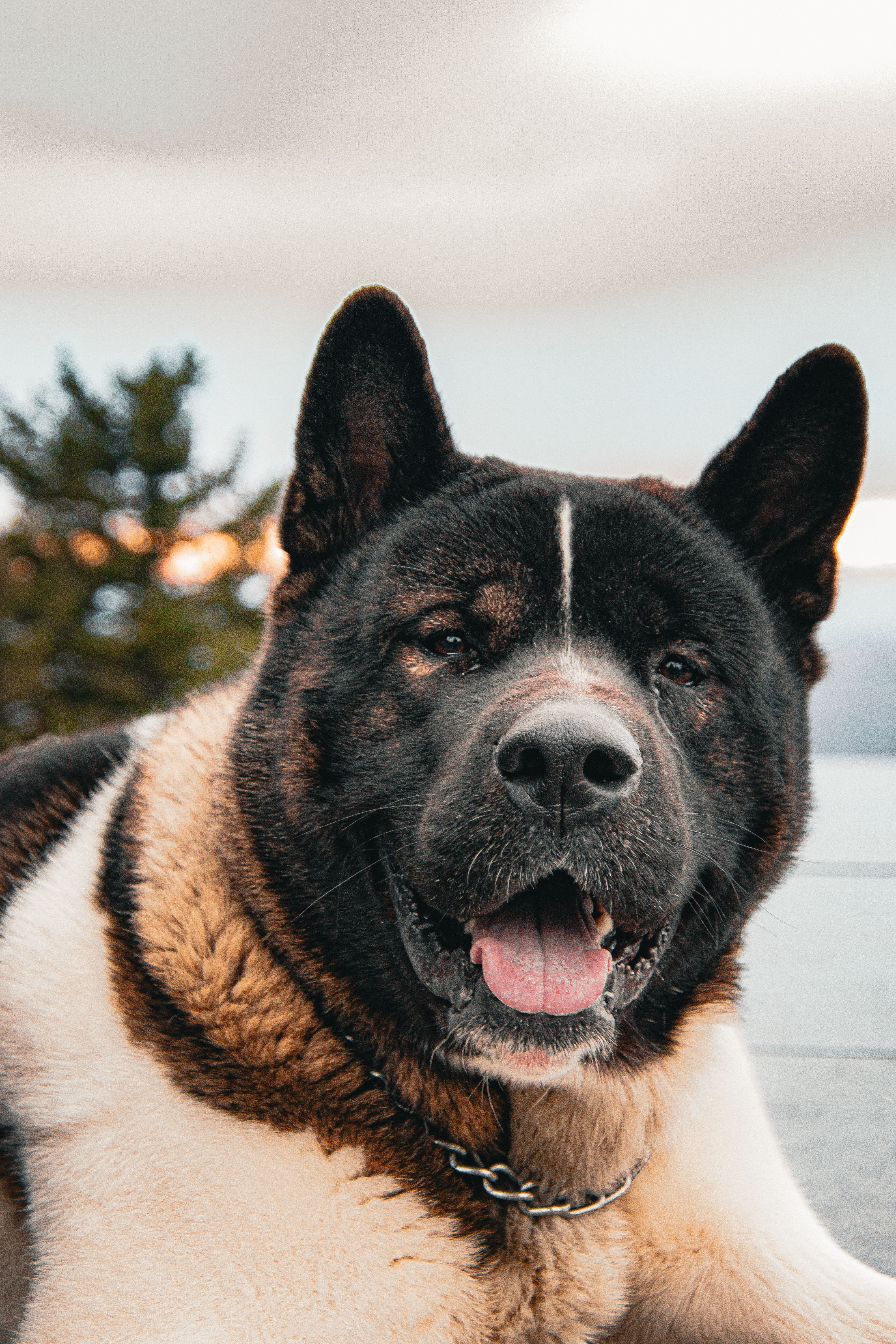
Large, powerful, and bear-like with a broad head, small triangular eyes, and erect ears. Their thick double coat and curled tail over the back give them a distinctive, imposing silhouette. They carry themselves with a quiet dignity and alertness.
Temperament
The Akita is dignified, courageous, and profoundly loyal. They are quiet dogs that are not given to unnecessary barking. Independent and sometimes stubborn, they are deeply devoted to their families but aloof with strangers.
Personality Around Others
Reserved to aloof with strangers. Can be aggressive toward other dogs, especially same-sex dogs. Early, extensive socialization is critical. They may not be suitable for homes with small pets due to high prey drive.
Exercise Needs
Moderate exercise needs — about 1 hour of daily activity including walks, hikes, and play. They enjoy cold weather activities. Mental stimulation through training puzzles is important. They are not high-energy dogs.
Training
Intelligent but independent and can be stubborn. Require a confident, experienced handler who establishes respectful leadership. Positive reinforcement with firm consistency works best. Not a dog for permissive training.
Grooming
Heavy grooming needs. Their thick double coat requires weekly brushing and more during twice-yearly heavy shedding. They are fastidiously clean dogs who groom themselves like cats. Regular nail and dental care.
Health
Common Health Conditions
Generally healthy but prone to autoimmune disorders. Hip dysplasia is common in large breeds. Bloat is a serious concern. Their thick coat can hide weight changes.
Recommended Health Tests
- Hip Evaluation
- Ophthalmologist Evaluation
- Thyroid Evaluation
Average Annual Vet Cost
$500–$1,200
Nutrition
Feed a high-quality, large-breed food. About 3–5 cups daily divided into two meals. Use slow-feeder bowls to reduce bloat risk. Some Akitas do well on fish-based diets reflecting their Japanese heritage.
Living Environment
Need a house with a securely fenced yard. The fence must be tall and secure — they can be escape artists. Not suited for dog parks. They prefer cooler climates and may struggle in extreme heat.
Ideal Family
Best for experienced dog owners who appreciate independent, loyal companions. Ideal for single-dog households. Not recommended for homes with other dogs or first-time dog owners.
Intelligence
Highly intelligent with an independent, analytical mind. They think for themselves and may not always comply with commands they deem unnecessary. Their intelligence shows in problem-solving and reading situations.
Barking
Frequency
Alert
Separation
Quiet Indoors
Akitas are known as 'The Silent Hunter.' They bark infrequently and only with purpose. Their quiet nature makes them excellent indoor companions. When an Akita barks, pay attention.
Shedding
Year-Round
Seasonal
Vacuum Factor 🧹
Hypoallergenic
Extremely heavy seasonal shedders. They 'blow' their coat twice a year, losing massive amounts of fur. During these periods, daily grooming is essential.
Weather Tolerance
☀️
Heat
❄️
Cold
🌧️
Rain
🌨️
Snow
💧
Humidity
Breed Ratings
Fun Facts
Hachiko the Akita waited at a Tokyo train station for his deceased owner for 9 years, inspiring a famous bronze statue.
In Japanese culture, a small Akita figurine is traditionally given to new parents as a symbol of health and happiness.
Helen Keller brought the first Akita to the United States in 1937.
Akitas are designated as a Japanese Natural Monument.
They are one of the oldest native dog breeds, with DNA closely tracing back to ancient wolves.
Famous Dogs
Hachiko
Japan's most famous dog who waited for his owner at a train station for 9 years
Kamikaze-go
The first Akita brought to America, gifted to Helen Keller
Yume
An Akita gifted by Japan to Russian President Vladimir Putin as a diplomatic gift
Common Myths
"Akitas are aggressive dogs."
Well-bred, properly socialized Akitas are dignified and calm. They are protective but not aggressive without provocation. Their reserved nature is often mistaken for hostility.
"They can't live with other animals."
While challenging, Akitas can coexist with other animals if raised together from puppyhood. Same-sex dog aggression is common, but proper management makes multi-pet homes possible.
Frequently Asked Questions
Are Akitas good with children?
They can be excellent with children in their own family when raised together and properly socialized. However, they may not tolerate rough play and should always be supervised around small children.
Why are Akitas banned in some places?
Some areas include Akitas in breed-specific legislation due to their size and protective nature. Always check local regulations. Proper training and socialization prevent the behaviors that lead to such restrictions.
Adoption Tips
Akitas in rescue often come from owners who underestimated the breed's needs. Breed-specific rescues can help find the right match. Be honest about your experience and living situation.
Puppy Guide
Akita puppies are adorable but grow quickly into powerful dogs. Start socialization immediately and extensively. Establish respectful leadership early. Puppy kindergarten is essential. Feed large-breed puppy food.
Senior Care
Senior Akitas may develop joint issues, thyroid problems, and vision changes. Maintain a comfortable weight. Provide supportive bedding. Continue moderate exercise. Monitor for autoimmune conditions.
Ownership Costs
Estimated Lifetime Cost
$20,000–$35,000
Pros and Cons
Pros
Extraordinarily loyal and devoted
Quiet and dignified indoors
Excellent natural guardian
Clean, cat-like grooming habits
Thrives in cold climates
Cons
Not suitable for novice owners
Dog aggression concerns
Extreme seasonal shedding
Strong-willed and independent
Can be aloof and reserved