
German Shepherd Dog
Also known as: GSD, Alsatian, Deutscher Schäferhund
Energy Level
Apartment Friendly
Weight (Male)
65–90 lbs (30–41 kg)
Height (Male)
24–26 inches (61–66 cm)
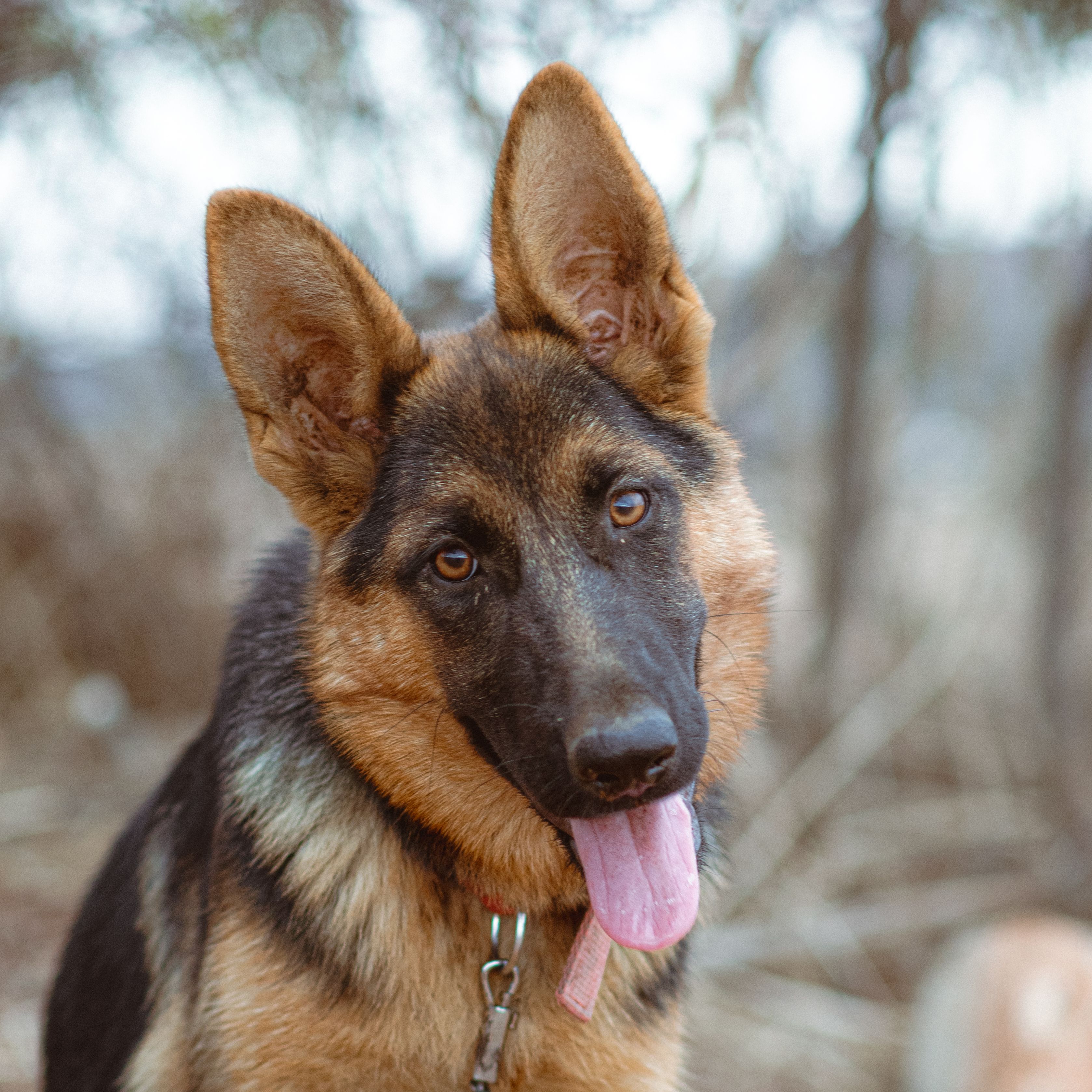
Quick Facts
Coat Colors
Breed Summary
The German Shepherd Dog is one of the most recognizable and respected dog breeds in the world, renowned for its intelligence, versatility, and unwavering devotion. Developed in Germany in the late 19th century by Captain Max von Stephanitz, who envisioned the perfect working dog, the German Shepherd has exceeded every expectation placed upon it.
This breed serves in virtually every working dog capacity imaginable—police K-9 units, military operations, search and rescue, narcotics and explosives detection, guide work for the blind, and protection work. Yet beneath the tough working exterior lies a deeply loyal, affectionate family companion that bonds intensely with its people.
German Shepherds are best suited for experienced owners who can provide firm, consistent leadership, ample exercise, and ongoing socialization. Their intelligence is a double-edged sword—they learn quickly but can also develop problematic behaviors if under-stimulated. The breed's protective instincts make early socialization essential to prevent excessive wariness of strangers.
History
The German Shepherd Dog was created by Captain Max von Stephanitz in 1899 when he purchased a dog named Hektor Linksrhein at a dog show, impressed by its intelligence, strength, and working ability. He renamed the dog Horand von Grafrath and founded the Verein für Deutsche Schäferhunde (Society for German Shepherd Dogs), establishing the breed standard.
Von Stephanitz's vision was "utility and intelligence"—every aspect of the breed was designed for function over form. He actively fought against breeding for appearance alone, insisting that German Shepherds must first and foremost be capable working dogs.
During World War I, German Shepherds served as messenger dogs, search-and-rescue dogs, and sentries for the German army. Allied soldiers were so impressed by these dogs that they brought them home, launching the breed's international popularity. The breed was briefly renamed "Alsatian" in England and other countries to avoid anti-German sentiment after the wars.
Rin Tin Tin, a German Shepherd puppy rescued from a WWI battlefield, became one of Hollywood's biggest stars in the 1920s and is credited with popularizing the breed in America. The AKC had recognized the breed in 1908, and by the mid-20th century, the GSD was firmly established as one of the world's premier working and companion dogs.
Appearance
The German Shepherd Dog presents a picture of strength, agility, and balanced proportions. Males stand 24 to 26 inches at the shoulder and weigh 65 to 90 pounds, while females are 22 to 24 inches and 50 to 70 pounds. The body is longer than tall, with a smooth, flowing topline that slopes gently from the withers to the croup.
The head is noble and strong, with a moderately pointed muzzle, dark almond-shaped eyes that express intelligence and alertness, and large, erect ears that are a hallmark of the breed. The neck is strong and muscular, carried at approximately 45 degrees when alert.
The double coat consists of a dense, harsh outer coat and a thick undercoat. Coat length can vary from medium to long, with the most common being medium-length. The breed's most iconic color is black and tan (saddle pattern), but sable, bi-color, solid black, and black and red are also recognized. White German Shepherds exist but are not accepted in the AKC breed standard for conformation.
The breed's movement is legendary—the German Shepherd possesses one of the most effortless, ground-covering trots of any breed. Watching a well-built GSD move is like watching a precision machine, with each stride covering maximum ground with minimum effort.
Temperament
The German Shepherd's temperament is marked by confidence, courage, and a calm steadiness that belies the breed's intensity. GSDs are famously loyal to their family—they bond deeply and are often described as "velcro dogs" who prefer to be near their people at all times.
Intelligence is the German Shepherd's defining trait. Ranked as the 3rd most intelligent dog breed, GSDs can learn new commands in fewer than 5 repetitions. This intelligence manifests as an almost uncanny ability to read situations, anticipate their owner's needs, and make independent decisions when required.
Protective instincts are deeply embedded in the breed. German Shepherds are naturally watchful and will position themselves between their family and perceived threats. This makes them outstanding guard dogs but also necessitates thorough socialization to prevent overprotectiveness.
With their family, GSDs are gentle, playful, and surprisingly silly. Many owners are surprised by their German Shepherd's goofy side—the head tilts, the excited "talking" (GSDs are vocal dogs), and their love of play. However, they tend to be reserved and aloof with strangers, warming up only after they've assessed the situation.
Personality Around Others
German Shepherds are deeply devoted to their family and generally excellent with children they are raised with. Their patience with kids is remarkable, and they often assume a protective guardian role. However, their size and energy level require supervision around toddlers, as they can accidentally knock small children over.
With other dogs, GSDs can vary widely. Well-socialized German Shepherds coexist peacefully with other dogs, but same-sex aggression can occur, particularly between intact males. Early, ongoing socialization with other dogs is crucial for developing good canine social skills.
Cats and small pets require careful, gradual introductions. Many GSDs coexist well with cats in the household, but their herding instinct may cause them to chase. Individual temperament varies significantly.
Strangers will be viewed with suspicion until the German Shepherd determines they are not a threat. This is not aggression—it is the breed's natural discernment. Once introduced and accepted, strangers are treated cordially. The GSD's reserved nature with strangers is actually a feature, not a bug—it is what makes them exceptional protection dogs.
Exercise Needs
German Shepherds require substantial daily exercise—a minimum of 60 to 90 minutes of vigorous activity. These are high-drive working dogs that were bred for all-day herding; without adequate physical and mental outlets, they become destructive, anxious, and vocal.
A combination of activities works best: structured walks (30-45 minutes), off-leash play or fetch (20-30 minutes), and training or mental stimulation activities (15-20 minutes). Variety is important—GSDs become bored with repetitive routines.
German Shepherds excel at virtually every dog sport—Schutzhund/IPO, agility, obedience, tracking, herding trials, and nose work. Participating in a structured activity gives them the mental challenge they crave while strengthening the owner-dog bond.
Mental stimulation is as important as physical exercise. Puzzle toys, scent games, obedience training, and trick training keep the GSD's formidable mind engaged. A physically tired but mentally bored GSD will still find ways to create mischief.
Training
German Shepherds are among the most trainable breeds in existence. Their intelligence, work ethic, and desire to partner with their handler make training a deeply rewarding experience. Positive reinforcement methods work best—GSDs respond beautifully to rewards-based training while shutting down under harsh corrections.
Start training from day one. German Shepherd puppies are sponges that absorb everything—good and bad. Early socialization (8-16 weeks) is absolutely critical for this breed. Expose them to diverse people, animals, sounds, and environments to build confidence and prevent fear-based reactivity.
Common training mistakes include: failing to establish clear leadership (GSDs need to know who is in charge), neglecting socialization (the most common cause of GSD behavioral issues), and being too harsh in corrections (this breeds distrust and anxiety in a sensitive breed).
Advanced training is where German Shepherds truly shine. Once basic obedience is established, consider Schutzhund, nose work, agility, or other structured activities that give your GSD a job to do. A German Shepherd with a purpose is a happy German Shepherd.
Grooming
German Shepherds are heavy shedders—they are sometimes called "German Shedders" for good reason. Their dense double coat sheds constantly, with two major "coat blow" events per year when the undercoat comes out in alarming quantities.
Brush your GSD 3 to 4 times per week with an undercoat rake or slicker brush. During coat blow seasons, daily brushing is essential to manage the tidal wave of fur. A high-velocity pet dryer can be helpful during these periods.
Bathing should be done every 6 to 8 weeks or as needed. Over-bathing strips natural oils from the coat. Use a dog-specific shampoo formulated for double-coated breeds.
Ear cleaning should be done weekly—the large, upright ears are relatively low-risk for infections but still benefit from regular maintenance. Nail trimming every 2-3 weeks, and dental care (brushing 2-3 times weekly) round out the grooming routine.
Health
Common Health Conditions
Hip and elbow dysplasia remain the breed's most prevalent orthopedic issues. Responsible breeding with OFA-certified parents has significantly reduced incidence, but these conditions remain common. Degenerative Myelopathy (DM) is a progressive spinal cord disease similar to ALS in humans. DNA testing can identify carriers. Bloat (GDV) is a life-threatening emergency more common in deep-chested breeds like the GSD. Knowing the signs and having a veterinary emergency plan is essential. EPI (Exocrine Pancreatic Insufficiency) affects the pancreas and is more common in GSDs than any other breed. Treatment involves enzyme supplementation with each meal.
Recommended Health Tests
- Hip Evaluation (OFA)
- Elbow Evaluation (OFA)
- DM DNA Test
- Cardiac Exam
- Ophthalmologist Evaluation
- Temperament Test
Average Annual Vet Cost
$600–$1,200
Nutrition
Adult German Shepherds typically require 1,500 to 2,100 calories per day depending on activity level. High-quality protein should be the foundation—look for foods with real meat as the first ingredient and at least 22-26% protein content. GSDs have sensitive digestive systems, making diet quality particularly important. Avoid frequent food changes and choose formulas specifically designed for large breeds. Puppies should eat large-breed puppy food to control growth rate and support joint development. Feed twice daily rather than once to reduce bloat risk—and avoid exercise for 30 minutes before and after meals.
Living Environment
German Shepherds do best in homes with a securely fenced yard. Their size, energy level, and need for space make houses with yards the ideal setup. Apartment living is possible but requires a dedicated owner who provides extensive daily exercise. A fence of 5-6 feet is recommended—GSDs are more athletic than many owners expect. The breed adapts well to various climates due to their versatile double coat, handling cold weather exceptionally well and tolerating moderate heat.
Ideal Family
German Shepherds are ideal for experienced, active owners who understand working breeds. Active families with older children (8+) are an excellent match. The breed thrives with an owner who provides consistent leadership, daily training, and abundant exercise. Singles or couples with active lifestyles will find a loyal, devoted companion. GSDs are not ideal for first-time owners, passive households, or families who cannot commit to extensive socialization and training.
Intelligence
Ranked 3rd in canine intelligence, the German Shepherd is one of the smartest dog breeds ever developed. Their working intelligence is unmatched—they can learn complex command sequences, make independent decisions in the field, and adapt their behavior to novel situations. GSDs can learn a new command in fewer than 5 repetitions and obey known commands 95% of the time. Problem-solving ability is exceptional, and their memory for training, locations, and people is remarkable.
Barking
Frequency
Alert
Separation
Quiet Indoors
GSDs are vocal dogs. They bark to alert, communicate, and express emotions. Many GSDs "talk" with groans, whines, and howl-like vocalizations. Alert barking is strong—they will announce every visitor, delivery driver, and suspicious squirrel. Training can manage excessive barking, but this is not a quiet breed.
Shedding
Year-Round
Seasonal
Vacuum Factor 🧹
Hypoallergenic
German Shepherds are legendary shedders. The nickname "German Shedder" is well-earned. Hair will be everywhere—on your clothes, furniture, food, and in places you didn't know existed. During twice-yearly coat blow, you could knit a sweater from the daily output. A high-quality vacuum is not optional, it is survival equipment.
Weather Tolerance
☀️
Heat
❄️
Cold
🌧️
Rain
🌨️
Snow
💧
Humidity
Breed Ratings
Fun Facts
Rin Tin Tin was rescued from a WWI battlefield and became one of Hollywood's biggest stars.
German Shepherds are the most widely used breed in police and military K-9 units worldwide.
A GSD named Buddy became the first guide dog in America in 1928.
GSDs have a bite force of approximately 238 PSI—stronger than most other popular breeds.
The breed's creator, Max von Stephanitz, said: "Take this trouble for me: Make sure my shepherd dog remains a working dog."
During WWI, German Shepherds served as Red Cross dogs, locating wounded soldiers on battlefields.
A GSD named Chips became the most decorated war dog in WWII.
German Shepherds can be trained to detect human emotions through scent changes.
The breed was ranked #2 in AKC registrations in 2023.
A trained GSD can detect odors at concentrations as low as parts per trillion.
Famous Dogs
Rin Tin Tin
Hollywood's first canine superstar, appeared in 27 films
Strongheart
One of the first canine film stars, with a star on the Hollywood Walk of Fame
Buddy
America's first guide dog, trained by Dorothy Harrison Eustis in 1928
Chips
Most decorated war dog of WWII, attacked an enemy machine-gun nest
Cairo
Navy SEAL dog that participated in the operation that found Osama bin Laden
Clipper
President Kennedy's German Shepherd at the White House
Common Myths
"German Shepherds are naturally aggressive."
Well-bred, well-socialized GSDs are confident and stable, not aggressive. Aggression in GSDs is almost always the result of poor breeding, lack of socialization, or abuse.
"They will turn on their owners."
This is completely false. GSDs are among the most loyal breeds and form deep bonds with their family. They are far more likely to sacrifice themselves for their owner than to turn against them.
"German Shepherds and children don't mix."
Well-socialized GSDs are excellent family dogs. They are protective and gentle with children they are raised with. Supervision is always recommended with any large breed.
Frequently Asked Questions
Are German Shepherds good family dogs?
Yes, well-socialized GSDs are excellent family dogs. They are loyal, protective, and gentle with children. They do best with experienced owners who provide structure and training.
Do German Shepherds bark a lot?
GSDs are moderately vocal. They bark to alert, communicate needs, and express excitement. Training can manage excessive barking, but expect regular vocalizations.
Can German Shepherds live in apartments?
It's possible but challenging. GSDs need significant daily exercise and mental stimulation. A dedicated owner with access to parks and exercise areas can make it work.
Are German Shepherds easy to train?
GSDs are among the most trainable breeds. Their intelligence and eagerness to work make training highly rewarding. Positive reinforcement methods work best.
Do German Shepherds get along with other dogs?
With proper socialization, most GSDs coexist well with other dogs. Same-sex aggression can occur, particularly between intact males. Early socialization is key.
How much exercise does a German Shepherd need?
A minimum of 60-90 minutes of vigorous daily exercise, plus mental stimulation through training and puzzle activities.
Adoption Tips
When adopting a German Shepherd, temperament evaluation is essential. Look for confidence without aggression, friendliness with appropriate caution, and willingness to engage with you. GSD-specific rescues include the German Shepherd Dog Rescue, Westside German Shepherd Rescue, and many regional organizations. Adult GSDs (2-5 years) from rescues can be wonderful companions, often already trained and socialized. Ask about the dog's history with children, other animals, and strangers. A reputable rescue will be transparent about any behavioral issues.
Puppy Guide
GSD puppies grow rapidly—from 1 pound at birth to 60-90 pounds by one year. Socialization during weeks 8-16 is absolutely critical for this breed. Enroll in puppy classes immediately, expose to 100+ people and situations before 16 weeks, and handle ears, paws, and mouth daily. Teething peaks at 4-5 months—provide appropriate chew toys. Feed large-breed puppy food to control growth rate. Ears may flop during teething due to calcium redirecting to teeth—this is normal and they typically stand by 5-6 months.
Senior Care
German Shepherds are considered senior around age 7-8. Degenerative myelopathy is a major concern—watch for hind-end weakness and difficulty rising. Joint supplements (glucosamine, chondroitin, omega-3s) are essential. Reduce exercise intensity but maintain daily activity. Orthopedic beds help with joint comfort. Biannual vet visits with blood panels monitor organ function. Senior GSDs may develop cognitive decline—maintain mental stimulation through gentle training and puzzle activities.
Similar Breeds
Belgian Malinois
Higher energy, more intense drive, lighter build. The "sports car" to the GSD's "luxury SUV."
Dutch Shepherd
Similar versatility with a brindle coat. Slightly more adaptable and less prone to health issues.
Bohemian Shepherd
Smaller, more manageable version with a similar look and temperament.
Collie
Gentler herding breed with lower protective instincts. Better for less experienced owners.
Rottweiler
Similar protective instincts but stockier build and lower energy. Both need experienced owners.
Ownership Costs
Estimated Lifetime Cost
$18,000–$30,000
Pros and Cons
Pros
Exceptionally intelligent and trainable
Fiercely loyal and protective of family
Versatile—excels in work, sport, and companionship
Courageous and confident
Excellent watchdog and guardian
Forms deep bonds with owners
Athletic and capable of intense activity
Beautiful, noble appearance
Cons
Extremely heavy shedding year-round
Requires extensive socialization to prevent reactivity
High exercise and mental stimulation needs
Prone to hip/elbow dysplasia and DM
Can develop separation anxiety
Not ideal for first-time owners
Can be overly protective without training
High veterinary costs for breed-specific conditions