
Belgian Malinois
Also known as: Malinois, Belgian Shepherd Malinois, Chien de Berger Belge
Energy Level
Apartment Friendly
Weight (Male)
60–80 lbs
Height (Male)
24–26 inches
Quick Facts
Coat Colors
Breed Summary
The Belgian Malinois is an intense, athletic herding breed that has become the world's premier working dog. Used by military and police worldwide, they combine exceptional intelligence with tireless drive. They require an experienced, active owner committed to their demanding needs.
History
Developed in Malines, Belgium in the late 1800s as a herding dog, the Belgian Malinois rose to prominence as a police and military dog. They served in both World Wars and today are the breed of choice for the U.S. Secret Service, Navy SEALs, and countless law enforcement agencies worldwide.
Appearance
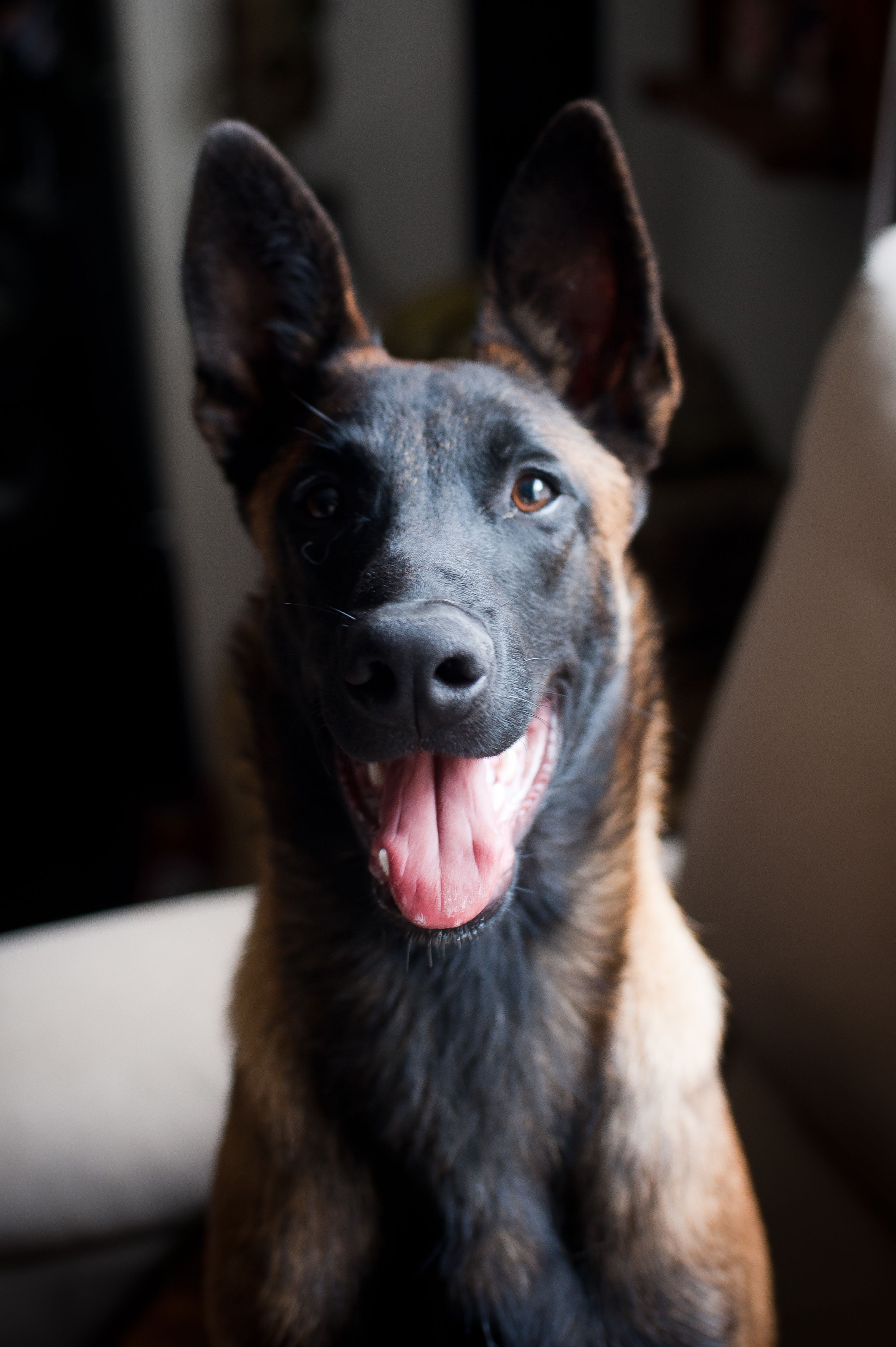
Athletic, square-proportioned body built for speed and agility. They have a chiseled head with alert, dark brown eyes and erect triangular ears. Their short fawn to mahogany coat features a distinctive black mask and ears. Every movement radiates energy and purpose.
Temperament
The Malinois is an intense, driven dog that bonds deeply with their handler. They are always 'on' — alert, responsive, and ready to work. Their drive and intelligence are unmatched, but this intensity requires proper channeling.
Personality Around Others
Reserved with strangers and naturally protective. Early socialization is critical. They can be good with children they're raised with but may try to herd them. Dog selectivity is common. Not a dog park breed.
Exercise Needs
Extremely high exercise needs — minimum 2 hours daily of vigorous activity. Running, hiking, agility, protection sports, or other demanding activities. Mental stimulation is equally important. A bored Malinois is a destructive Malinois.
Training
Highly trainable for experienced handlers. They learn with incredible speed and thrive with structured, reward-based training. Excel in obedience, protection, tracking, and agility. Require consistent, fair leadership.
Grooming
Low-maintenance coat requiring weekly brushing. They shed moderately year-round with heavier seasonal blows. Occasional baths. Regular nail trims and dental care.
Health
Common Health Conditions
Generally a very healthy, long-lived breed for their size. Working lines are typically healthier than show lines. Their active lifestyle helps prevent many conditions.
Recommended Health Tests
- Hip Evaluation
- Elbow Evaluation
- Ophthalmologist Evaluation
Average Annual Vet Cost
$300–$800
Nutrition
Feed a high-quality, high-protein diet to support their athletic build. About 2–3 cups daily divided into two meals. Active working dogs may need more calories. Adjust based on activity level.
Living Environment
Need a house with a large, securely fenced yard. Not suited for apartment living. They need space to move and a job to do. Thrive with access to outdoor activities and training areas.
Ideal Family
Best for experienced dog owners who lead active lifestyles. Ideal for those involved in dog sports, protection work, or search and rescue. Not recommended for casual pet owners or first-time dog owners.
Intelligence
One of the most intelligent dog breeds. They learn new commands in under 5 repetitions and excel in problem-solving. Their intelligence combined with their drive makes them the top choice for demanding working roles.
Barking
Frequency
Alert
Separation
Quiet Indoors
Moderately vocal. They are excellent alert barkers and will vocalize to communicate. Can become excessively vocal if under-stimulated or anxious.
Shedding
Year-Round
Seasonal
Vacuum Factor 🧹
Hypoallergenic
Moderate year-round shedding with heavier seasonal blows in spring and fall. Their short coat is manageable with regular brushing.
Weather Tolerance
☀️
Heat
❄️
Cold
🌧️
Rain
🌨️
Snow
💧
Humidity
Breed Ratings
Fun Facts
A Belgian Malinois named Cairo was part of the Navy SEAL team that found Osama bin Laden.
They can be trained to skydive, rappel from helicopters, and detect explosives.
Malinois can jump over 8 feet in the air from a standing position.
They are the most popular breed for police and military work worldwide.
A Malinois named Conan received a medal from the U.S. President.
Famous Dogs
Cairo
Navy SEAL dog on the Osama bin Laden mission
Conan
U.S. military hero dog who received a presidential medal
Eva
Famous Secret Service dog protecting the White House
Common Myths
"Belgian Malinois are just German Shepherds."
While similar in appearance, Malinois are a distinct breed — lighter, faster, and generally with higher drive. They are one of four Belgian Shepherd varieties.
"They make great family pets for anyone."
Malinois are working dogs that require experienced owners, extensive training, and enormous amounts of exercise. Without proper handling, they can develop serious behavioral issues.
Frequently Asked Questions
Are Belgian Malinois good family dogs?
Only for experienced, active families who can meet their intense physical and mental needs. They bond deeply but require structured training and significant daily exercise.
How much exercise does a Malinois need?
At minimum 2 hours of vigorous exercise daily, plus mental stimulation. Many owners participate in dog sports to adequately tire their Malinois.
Adoption Tips
Many Malinois end up in rescue because owners underestimate their needs. Breed-specific rescues evaluate temperament thoroughly. Be honest about your experience level and activity level when applying.
Puppy Guide
Malinois puppies need early, extensive socialization. Begin structured training immediately. Channel their energy into positive activities. Puppy classes are essential. Expect a very active, mouthy puppy.
Senior Care
Senior Malinois may slow down but often remain active well into old age. Monitor for joint issues. Continue mental stimulation. They may develop anxiety if suddenly unable to work or exercise.
Similar Breeds
Ownership Costs
Estimated Lifetime Cost
$18,000–$28,000
Pros and Cons
Pros
Exceptionally intelligent and trainable
Outstanding working ability
Athletic and versatile
Loyal and protective
Long lifespan for a large breed
Cons
Extremely high exercise requirements
Not suitable for novice owners
Can be reactive without proper socialization
Intense drive needs constant channeling
May try to herd children and pets