
Doberman Pinscher
Also known as: Dobie, Dobermann
Energy Level
Apartment Friendly
Weight (Male)
75–100 lbs
Height (Male)
26–28 inches
Quick Facts
Coat Colors
Breed Summary
The Doberman Pinscher is a sleek, powerful, and highly intelligent working breed developed as the ideal protection dog. Combining elegance with raw athleticism, Dobermans are loyal, fearless, and remarkably trainable. They are devoted family guardians who balance protective instincts with deep affection for their people.
History
Created by German tax collector Louis Dobermann in the 1880s, who needed a protective companion during his rounds. He crossed several breeds including the Rottweiler, German Pinscher, and Greyhound to create the ultimate guard dog. The breed was refined into the elegant athlete we know today. Dobermans served with distinction in both World Wars and became the official war dog of the U.S. Marine Corps in WWII.
Appearance
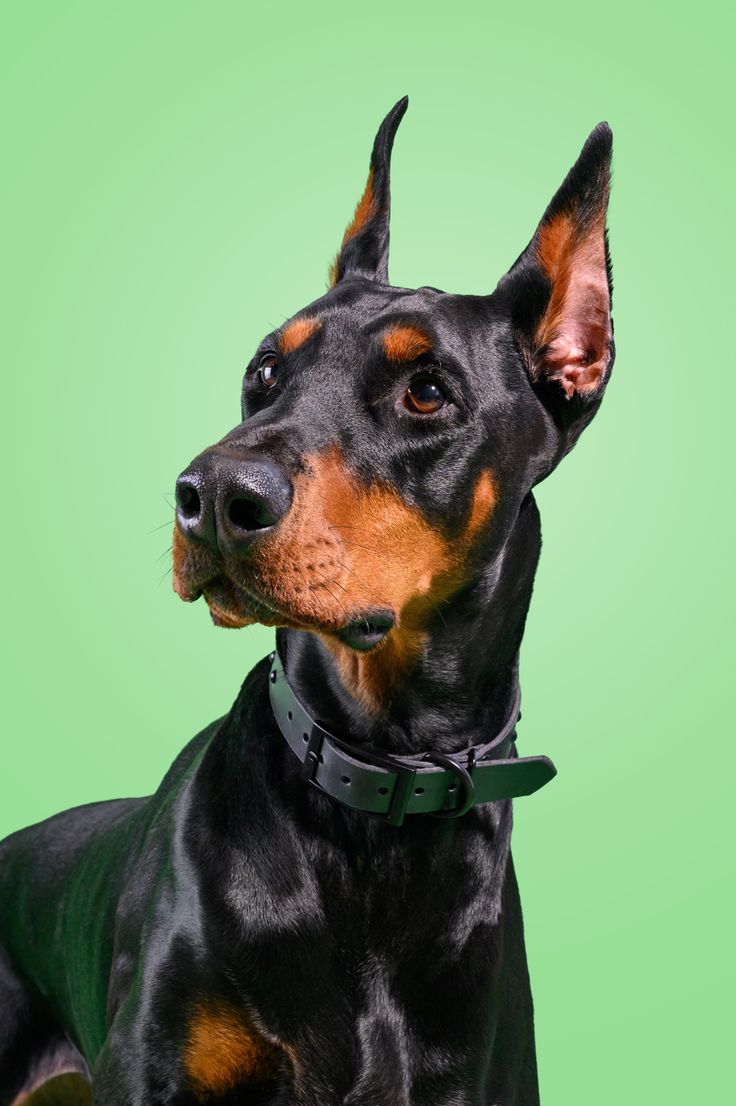
Dobermans have a compact, muscular body with clean, elegant lines. Their sleek, short coat lies close to the body and comes in four color varieties. The head is long and wedge-shaped with alert, intelligent eyes. Ears are traditionally cropped and erect, though natural floppy ears are increasingly common. They move with a powerful, ground-covering stride.
Temperament
Dobermans are intensely loyal dogs with a natural protective instinct. They are remarkably intelligent, responsive, and form deep bonds with their families. Despite their tough reputation, well-bred Dobermans are gentle and affectionate at home. They are alert, courageous, and highly trainable.
Personality Around Others
Dobermans are naturally protective and may be reserved with strangers. They are typically good with children in their family. Socialization is crucial to ensure they are well-adjusted around other dogs and people. They can coexist with other pets when raised together.
Exercise Needs
High exercise needs — 1–2 hours of vigorous activity daily. Running, hiking, and structured activities keep them physically and mentally satisfied. They excel in obedience, agility, and Schutzhund. They need both physical exercise and mental stimulation.
Training
Among the most trainable breeds. Dobermans are eager to learn and respond beautifully to positive, firm, and consistent training. They need an experienced handler who can provide clear leadership. They excel in advanced obedience and protection work.
Grooming
Very low maintenance. Weekly brushing and occasional baths keep their short coat clean. Regular nail trimming and dental care. Ear cleaning is important, especially for natural (uncropped) ears.
Health
Common Health Conditions
The breed's most serious health concern is dilated cardiomyopathy (DCM), a heart condition that can be fatal. Von Willebrand's disease (a blood clotting disorder) is also common. Responsible breeders screen for these conditions. Annual cardiac screening is recommended.
Recommended Health Tests
- Cardiac Exam
- Hip Evaluation
- Ophthalmologist Evaluation
- Von Willebrand's DNA Test
- Thyroid Evaluation
Average Annual Vet Cost
$600–$1,500
Nutrition
Feed a high-quality large-breed formula. Dobermans need 2.5–3.5 cups daily divided into two meals. Use raised bowls and avoid exercise after meals to reduce bloat risk. Some may benefit from taurine supplementation for heart health.
Living Environment
Can adapt to apartment living if given extensive daily exercise. A house with a yard is preferred. They should live indoors with their family — they are not outdoor dogs. They need climate-controlled environments as they have little body fat for insulation.
Ideal Family
Best for experienced dog owners who can provide firm, consistent leadership. Active individuals and families. Not recommended for first-time owners or those who cannot commit to socialization and training.
Intelligence
Dobermans rank 5th in canine intelligence. They learn new commands in fewer than 5 repetitions and obey first commands 95% of the time. Their intelligence makes them versatile working dogs excelling in protection, search and rescue, and therapy work.
Barking
Frequency
Alert
Separation
Quiet Indoors
Moderate barkers who alert effectively without being excessive. They have a deep, authoritative bark. Training helps ensure barking is purposeful.
Shedding
Year-Round
Seasonal
Vacuum Factor 🧹
Hypoallergenic
Low to moderate shedding. Their short, sleek coat requires minimal maintenance and produces less hair than most breeds.
Weather Tolerance
☀️
Heat
❄️
Cold
🌧️
Rain
🌨️
Snow
💧
Humidity
Breed Ratings
Fun Facts
Dobermans rank 5th in canine intelligence.
They were the official war dog of the U.S. Marine Corps in WWII.
A Doberman named Kurt was the first K-9 casualty in WWII, saving the lives of 250 Marines on Guam.
Louis Dobermann, their creator, also ran the local dog pound.
They are one of the fastest dog breeds, capable of reaching 32 mph.
Famous Dogs
Kurt
First K-9 casualty in WWII, saved 250 Marines on Guam
Storm
Famous police K-9 who served in the NYPD for years
Zeus and Apollo
The iconic Dobermans from the TV show Magnum, P.I.
Common Myths
"Dobermans are inherently aggressive and dangerous."
Well-bred, properly socialized Dobermans are stable, loyal dogs. Their protectiveness is manageable with responsible ownership. They are gentle and affectionate with their families.
"Their brains outgrow their skulls, making them crazy."
This is a complete myth with no basis in veterinary science. Dobermans have normal brain development.
Frequently Asked Questions
Are Dobermans good family dogs?
Yes, for the right family. They are loyal protectors and gentle with family members. They need experienced owners, proper socialization, and consistent training.
Do Dobermans need their ears cropped?
Ear cropping is a cosmetic choice and not medically necessary. Many countries have banned the practice. Natural-eared Dobermans are increasingly common and equally healthy.
Adoption Tips
Dobermans are available through breed-specific rescues. Many are surrendered due to their size and exercise needs. Be honest about your experience with large, powerful breeds. Rescued Dobermans bond deeply with patient, confident owners.
Puppy Guide
Doberman puppies grow rapidly and need large-breed puppy food. Begin socialization and training immediately. Establish yourself as a confident leader. Provide appropriate chew toys as they are mouthy puppies. Consider professional training classes.
Senior Care
Senior Dobermans need regular cardiac screening. Watch for joint stiffness and adjust exercise accordingly. Maintain a healthy weight. Continue mental stimulation and companionship. Annual heart checkups become increasingly important.
Ownership Costs
Estimated Lifetime Cost
$18,000–$28,000
Pros and Cons
Pros
Extremely intelligent and trainable
Loyal and protective family guardian
Sleek, low-maintenance coat
Athletic and versatile
Excellent health testing available
Cons
Prone to serious heart disease (DCM)
Requires experienced ownership
Can be aggressive without proper socialization
High exercise requirements
Sensitive to cold weather