
Great Dane
Also known as: Deutsche Dogge, German Mastiff, Apollo of Dogs
Energy Level
Apartment Friendly
Weight (Male)
140–175 lbs
Height (Male)
30–32 inches
Quick Facts
Coat Colors
Breed Summary
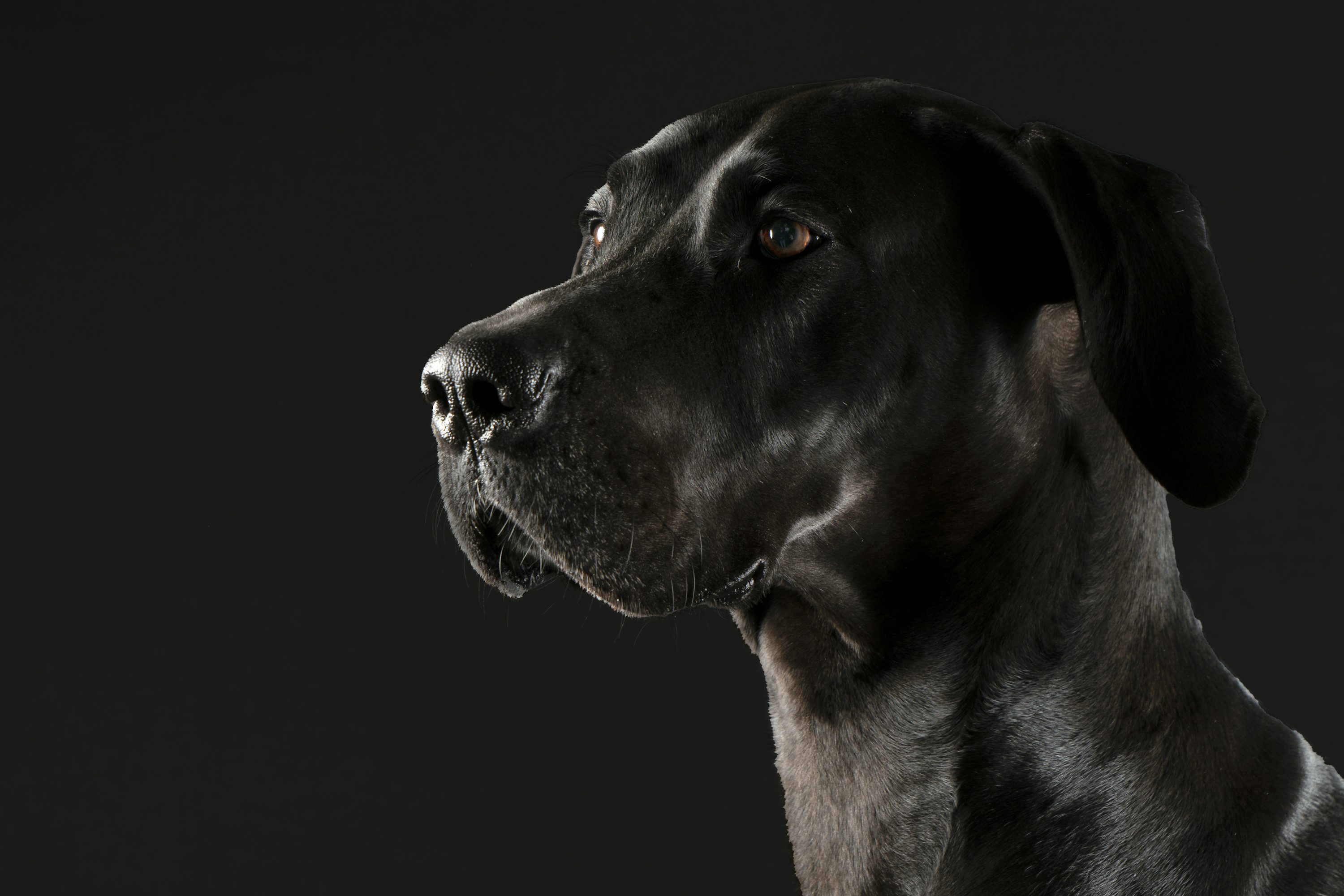
The Great Dane is one of the world's tallest dog breeds, known as the 'Apollo of Dogs' for their majestic appearance. Despite their imposing size, Great Danes are gentle giants — affectionate, patient, and surprisingly good indoor companions. They combine noble elegance with a sweet, people-oriented personality.
History
Great Danes were developed in Germany (not Denmark, despite the name) from crosses between English Mastiffs and Irish Wolfhounds. They were originally bred to hunt wild boar, one of the most dangerous game animals. By the 18th century, they transitioned from fierce hunters to noble companion dogs favored by European aristocracy. The breed was declared Germany's national dog in 1876.
Appearance
Great Danes are truly imposing dogs — males can stand over 30 inches at the shoulder and weigh up to 175 pounds. Despite their size, they should appear elegant and well-proportioned, never clumsy. Their head is long and rectangular with a deep, square muzzle. Their short, smooth coat comes in several recognized patterns, with harlequin (white base with irregular black patches) being the most distinctive.
Temperament
Great Danes are gentle, affectionate dogs that seem unaware of their enormous size. They are people-oriented and want to be close to their family — including on the couch and in bed. Despite their gentle nature, they can be effective deterrents simply due to their imposing presence. They are patient, friendly, and surprisingly playful.
Personality Around Others
Great Danes are generally friendly with everyone. They are typically good with children, though their size means supervision is essential. They usually get along with other dogs and pets. They may be initially reserved with strangers but are rarely aggressive. Early socialization is important to build confidence.
Exercise Needs
Moderate exercise needs. Despite their size, Great Danes are not extremely active. Daily walks of 30–60 minutes plus some play time are sufficient. Puppies need protected exercise to avoid damaging growing joints. Avoid strenuous exercise in the first 18 months.
Training
Moderately trainable and generally eager to please. Great Danes respond well to gentle, positive methods. Training should begin early — managing a 150-pound dog is much easier when good habits are established while they're small. They are sensitive to harsh correction.
Grooming
Low grooming maintenance. Weekly brushing manages their short coat. Baths as needed. Regular nail trimming is important as their nails can grow quickly. Dental care and ear cleaning complete their grooming routine. Their large size makes grooming a bigger project simply due to scale.
Health
Common Health Conditions
Bloat is the number one health concern for Great Danes and can be life-threatening within hours. Many owners elect prophylactic gastropexy (stomach tacking) surgery. Heart disease, cancer, and joint problems are also significant concerns. Their large size contributes to their shorter lifespan.
Recommended Health Tests
- Hip Evaluation
- Cardiac Exam
- Ophthalmologist Evaluation
- Thyroid Evaluation
Average Annual Vet Cost
$800–$2,000
Nutrition
Feed a high-quality large-breed formula. Great Danes need 4–8 cups daily divided into two or three meals. ALWAYS use a raised bowl and avoid exercise 1 hour before and after meals to reduce bloat risk. Large-breed puppy food is essential for controlled growth.
Living Environment
Despite their giant size, Great Danes can be good apartment dogs because they are calm indoors. However, they need enough space to move comfortably. A house with a yard is preferred but not essential. They must live indoors — they are not outdoor dogs.
Ideal Family
Suitable for experienced large-breed owners who understand giant breed needs. Good for families with older children. Not recommended for first-time owners due to their size and health considerations. Perfect for those who want a gentle, loving giant companion.
Intelligence
Great Danes are moderately intelligent with high emotional awareness. They are sensitive to their owners' moods and respond to positive reinforcement. They learn well but may not have the drive for competitive obedience.
Barking
Frequency
Alert
Separation
Quiet Indoors
Relatively quiet dogs with a deep, imposing bark when they do vocalize. They alert bark but are not nuisance barkers. Their bark alone can be an effective deterrent.
Shedding
Year-Round
Seasonal
Vacuum Factor 🧹
Hypoallergenic
Moderate shedding despite their short coat. Regular brushing manages loose hair. Their large size means even moderate shedding produces a noticeable amount of hair.
Weather Tolerance
☀️
Heat
❄️
Cold
🌧️
Rain
🌨️
Snow
💧
Humidity
Breed Ratings
Fun Facts
The tallest dog ever recorded was a Great Dane named Zeus, standing 44 inches at the shoulder.
Scooby-Doo is a Great Dane.
Despite the name, Great Danes are German, not Danish.
They were originally bred to hunt wild boar — one of the most dangerous game animals.
Great Danes often think they are lap dogs despite weighing over 100 pounds.
Famous Dogs
Zeus
Tallest dog ever recorded at 44 inches (111.8 cm) — Guinness World Record
Scooby-Doo
The beloved cartoon Great Dane character
Marmaduke
The comic strip Great Dane who has entertained readers since 1954
Common Myths
"Great Danes need huge homes and yards."
Great Danes are surprisingly calm indoors and can adapt to apartment living. They need moderate exercise and spend much of their time lounging.
"They are aggressive guard dogs."
Great Danes are gentle giants. While their size is intimidating, they are typically friendly and non-aggressive. They are better described as watchdogs — their bark and size deter intruders.
Frequently Asked Questions
How big do Great Danes get?
Males typically stand 30–32 inches at the shoulder and weigh 140–175 pounds. Females are slightly smaller at 28–30 inches and 110–140 pounds. Some individuals exceed these ranges.
Why do Great Danes have short lifespans?
Giant breeds age faster than smaller dogs. Their large size puts more strain on their hearts and joints. The average lifespan is 7–10 years, though some live longer with excellent care.
Adoption Tips
Great Danes are available through breed-specific rescues. Many are surrendered when owners realize the costs and space requirements of a giant breed. Rescued Danes are typically gentle and grateful. Be prepared for higher food and medical costs.
Puppy Guide
Great Dane puppies grow incredibly fast and need careful management. Feed large-breed puppy food for controlled growth. Avoid high-impact exercise during growth (first 18 months). Socialize extensively. Train early — a 150-pound dog must have good manners.
Senior Care
Senior Great Danes may develop heart disease, joint problems, and mobility issues. Provide orthopedic bedding and ramps. Continue gentle exercise. Regular cardiac screening is important. Their golden years may be shorter but can be comfortable with proper care.
Ownership Costs
Estimated Lifetime Cost
$20,000–$35,000
Pros and Cons
Pros
Gentle and affectionate with family
Impressive, noble appearance
Calm indoor demeanor
Good with children
Effective deterrent due to size
Cons
Very short lifespan (7–10 years)
Prone to serious health issues (bloat, heart)
Very expensive to feed and care for
Needs space despite being calm
Everything is bigger — food, beds, vet bills