
Akita
También conocido como: Akita Inu, Japanese Akita, Great Japanese Dog
Nivel de Energía
Apto Apartamento
Peso (Macho)
100–130 lbs
Altura (Macho)
26–28 inches
Datos Rápidos
Colores de Pelaje
Resumen de la Raza
El Akita es una raza poderosa y digna de Japón, conocida por su inquebrantable lealtad. Hecho famoso por la historia de Hachiko, son guardianes valientes e independientes que forman profundos lazos con sus familias mientras se mantienen reservados con los extraños.
Historia
Criado originalmente en las montañas del norte de Japón para cazar osos, alces y jabalíes, el Akita es un tesoro nacional de Japón. El Akita más famoso, Hachiko, esperó en una estación de tren a su dueño fallecido todos los días durante nueve años, convirtiéndose en un símbolo de lealtad en la cultura japonesa.
Apariencia
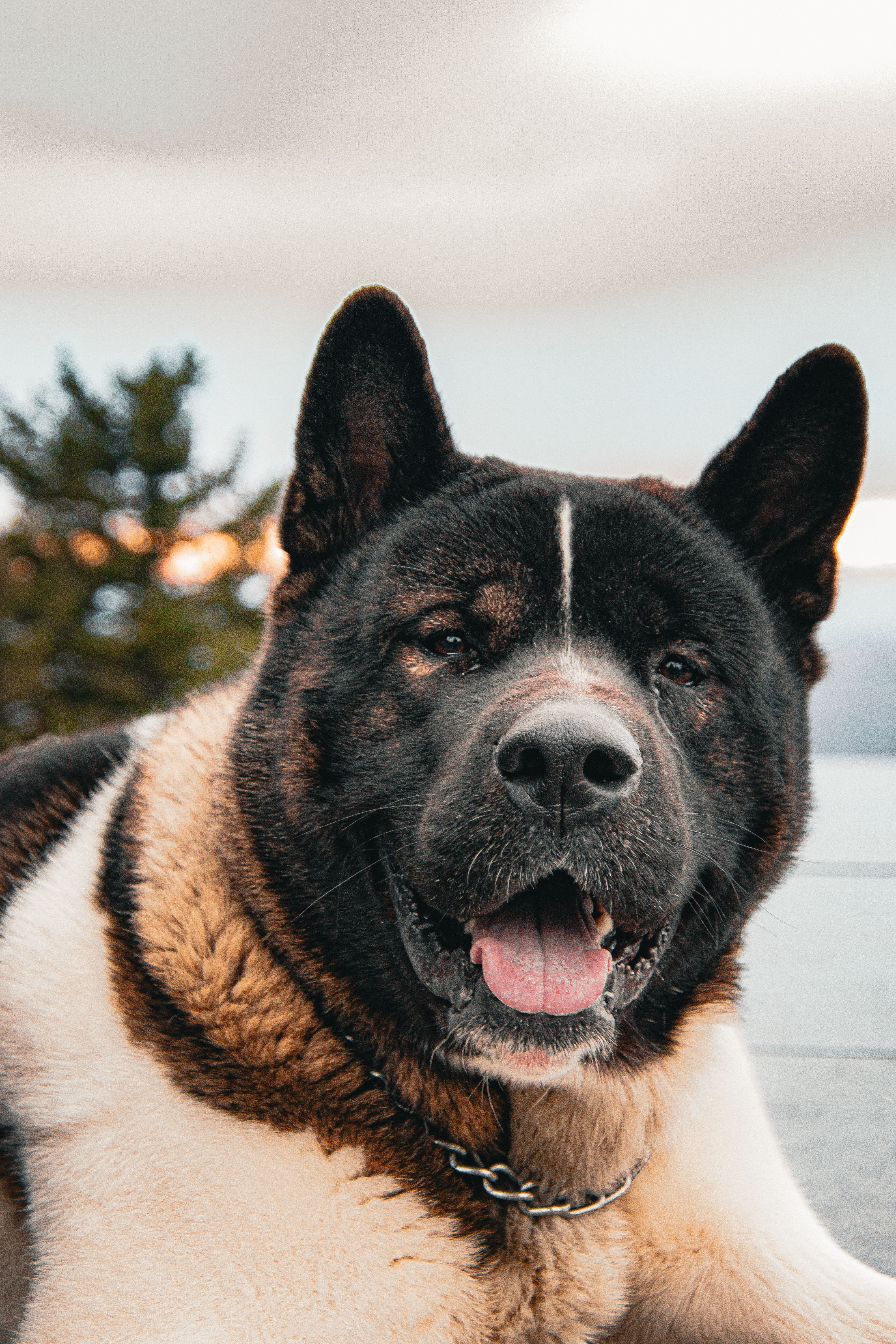
Grande, poderoso y con aspecto de oso, con una cabeza ancha, ojos triangulares pequeños y orejas erguidas. Su pelaje doble y grueso y su cola enroscada sobre la espalda le otorgan una silueta distintiva e imponente. Se comportan con una dignidad silenciosa y un estado de alerta constante.
Temperamento
El Akita es digno, valiente y profundamente leal. Son perros silenciosos que no tienden a ladrar innecesariamente. Independientes y a veces tercos, están profundamente dedicados a sus familias pero se muestran distantes con los extraños.
Personalidad con Otros
Reservado a distante con los extraños. Puede ser agresivo con otros perros, especialmente con los del mismo sexo. Una socialización temprana y exhaustiva es fundamental. Es posible que no sean adecuados para hogares con mascotas pequeñas debido a su alto instinto de presa.
Necesidades de Ejercicio
Necesidades de ejercicio moderadas: aproximadamente 1 hour de actividad diaria que incluye paseos, caminatas y juegos. Disfrutan de las actividades en climas fríos. La estimulación mental a través de rompecabezas de entrenamiento es importante. No son perros de alta energía.
Entrenamiento
Inteligente pero independiente y puede ser terco. Requiere un manejador experimentado y seguro de sí mismo que establezca un liderazgo respetuoso. El refuerzo positivo con una firme constancia funciona mejor. No es un perro para un entrenamiento permisivo.
Aseo
Altas necesidades de aseo. Su pelaje doble y grueso requiere un cepillado semanal, y más frecuente durante la muda abundante que ocurre dos veces al año. Son perros sumamente limpios que se asean a sí mismos como los gatos. Cuidado regular de uñas y dientes.
Salud
Condiciones Comunes
Generalmente saludable pero propenso a trastornos autoinmunes. La Hip Dysplasia es común en razas grandes. El Bloat es una preocupación grave. Su pelaje grueso puede ocultar cambios de peso.
Pruebas de Salud Recomendadas
- Hip Evaluation
- Ophthalmologist Evaluation
- Thyroid Evaluation
Costo Veterinario Anual Promedio
$500–$1,200
Nutrición
Aliméntelo con comida de alta calidad para razas grandes. Alrededor de 3–5 cups diarias divididas en dos comidas. Use comederos de alimentación lenta para reducir el riesgo de Bloat. Algunos Akita responden muy bien a dietas basadas en pescado, reflejando su herencia japonesa.
Entorno de Vida
Necesita una casa con un patio cercado de manera segura. La cerca debe ser alta y segura, ya que pueden ser artistas del escape. No son adecuados para parques para perros. Prefieren climas más fríos y pueden tener dificultades con el calor extremo.
Familia Ideal
Ideal para dueños de perros experimentados que aprecian a los compañeros independientes y leales. Ideal para hogares con un solo perro. No se recomienda para hogares con otros perros o para dueños de perros primerizos.
Inteligencia
Altamente inteligente con una mente independiente y analítica. Piensan por sí mismos y es posible que no siempre cumplan con órdenes que consideren innecesarias. Su inteligencia se demuestra en la resolución de problemas y en la lectura de situaciones.
Ladrido
Frecuencia
Alerta
Separación
Silencio Interior
Los Akita son conocidos como "El cazador silencioso". Ladran con poca frecuencia y solo con un propósito. Su naturaleza silenciosa los convierte en excelentes compañeros de interior. Cuando un Akita ladra, preste atención.
Muda de Pelo
Todo el Año
Estacional
Factor Aspiradora
Hipoalergénico
Mudadores estacionales extremadamente abundantes. Pierden su pelaje por completo dos veces al año, soltando cantidades masivas de pelo. Durante estos períodos, el aseo diario es esencial.
Tolerancia Climática
☀️
Calor
❄️
Frío
🌧️
Lluvia
🌨️
Nieve
💧
Humedad
Calificaciones de la Raza
Datos Curiosos
Hachiko, el Akita, esperó a su dueño fallecido en una estación de tren de Tokio durante 9 años, inspirando una famosa estatua de bronce.
En la cultura japonesa, tradicionalmente se regala una pequeña figura de Akita a los nuevos padres como símbolo de salud y felicidad.
Helen Keller trajo el primer Akita a los Estados Unidos en 1937.
Los Akita están designados como Monumento Natural Japonés.
Son una de las razas de perros nativas más antiguas, con un ADN que se remonta estrechamente a los lobos antiguos.
Perros Famosos
Hachiko
El perro más famoso de Japón que esperó a su dueño en una estación de tren durante 9 años
Kamikaze-go
El primer Akita traído a América, regalado a Helen Keller
Yume
Un Akita obsequiado por Japón al presidente ruso Vladimir Putin como regalo diplomático
Mitos Comunes
"Los Akita son perros agresivos."
Los Akita bien criados y debidamente socializados son dignos y tranquilos. Son protectores pero no agresivos sin provocación. Su naturaleza reservada a menudo se confunde con hostilidad.
"No pueden vivir con otros animales."
Aunque es un desafío, los Akita pueden coexistir con otros animales si se crían juntos desde cachorros. La agresión hacia perros del mismo sexo es común, pero un manejo adecuado hace posible tener hogares con múltiples mascotas.
Preguntas Frecuentes
¿Son los Akita buenos con los niños?
Pueden ser excelentes con los niños de su propia familia cuando se crían juntos y se socializan adecuadamente. Sin embargo, es posible que no toleren los juegos bruscos y siempre deben ser supervisados cuando estén con niños pequeños.
¿Por qué están prohibidos los Akita en algunos lugares?
Algunas áreas incluyen al Akita en la legislación específica de razas debido a su tamaño y naturaleza protectora. Siempre verifique las regulaciones locales. El entrenamiento y la socialización adecuados previenen los comportamientos que conducen a tales restricciones.
Consejos de Adopción
Los Akita en refugios a menudo provienen de dueños que subestimaron las necesidades de la raza. Los rescates específicos de la raza pueden ayudar a encontrar la pareja adecuada. Sea honesto sobre su experiencia y su situación de vida.
Guía de Cachorro
Los cachorros de Akita son adorables pero crecen rápidamente hasta convertirse en perros poderosos. Comience la socialización de inmediato y de manera exhaustiva. Establezca un liderazgo respetuoso desde el principio. El entrenamiento para cachorros es esencial. Aliméntelo con comida para cachorros de razas grandes.
Cuidado de Adulto Mayor
Los Akita de edad avanzada pueden desarrollar problemas articulares, problemas de tiroides y cambios en la visión. Mantenga un peso saludable. Proporcione camas de apoyo. Continúe con ejercicio moderado. Monitoree la presencia de condiciones autoinmunes.
Costos de Propiedad
Costo Estimado de por Vida
$20,000–$35,000
Pros y Contras
Ventajas
Extraordinariamente leal y devoto
Silencioso y digno en interiores
Excelente guardián natural
Hábitos de aseo limpios, similares a los de un gato
Prospera en climas fríos
Desventajas
No es adecuado para dueños principiantes
Preocupación por la agresión hacia otros perros
Muda estacional extrema
De carácter firme e independiente
Puede ser distante y reservado