
Siberian Husky
También conocido como: Husky, Sibe
Nivel de Energía
Apto Apartamento
Peso (Macho)
45–60 lbs
Altura (Macho)
21–23.5 inches
Datos Rápidos
Colores de Pelaje
Resumen de la Raza
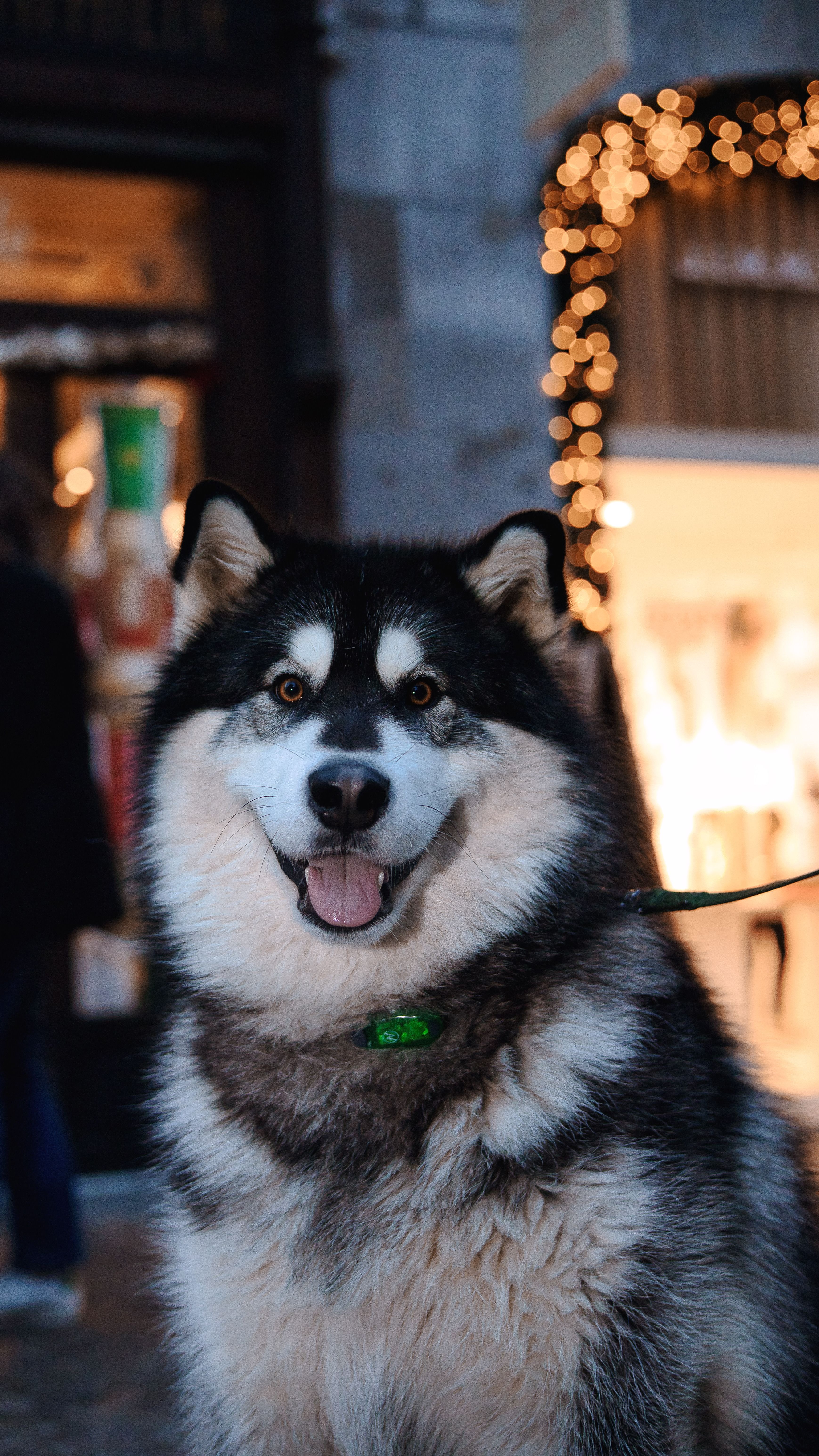
El Siberian Husky es una raza norteña de una belleza impresionante, desarrollada originalmente por el pueblo Chukchi del noreste de Siberia como perro de trineo de resistencia. Con su apariencia de lobo, sus penetrantes ojos azules o multicolores y su personalidad de espíritu libre, los Huskies son compañeros carismáticos pero desafiantes que necesitan dueños experimentados y activos.
Historia
Desarrollado a lo largo de miles de años por el pueblo Chukchi del noreste de Siberia como perros de trineo de resistencia. La raza ganó fama mundial durante la Carrera del Suero a Nome de 1925 (la 'Gran Carrera de la Misericordia') cuando equipos de perros de trineo, liderados por Huskies, entregaron antitoxina contra la difteria a lo largo de 674 miles a través de Alaska en condiciones brutales. Balto, el perro guía del último equipo, se convirtió en un héroe nacional.
Apariencia
Los Siberian Huskies tienen un cuerpo compacto y atlético, diseñado para la resistencia más que para la velocidad. Sus rasgos más llamativos son sus ojos almendrados, que pueden ser azules, marrones, ámbar o heterocromáticos. Su espeso pelaje de doble capa, sus orejas triangulares erguidas y su cola de cepillo similar a la de un zorro les dan una apariencia de lobo. Se mueven con un andar suave y sin esfuerzo.
Temperamento
Los Huskies son perros amigables, gentiles y notablemente sociales. Son pensadores independientes con un toque travieso y un fuerte sentido de la aventura. Fueron criados para correr y les encanta correr; el arte del escape es prácticamente un rasgo de la raza. No suelen ser protectores ni territoriales, y prefieren saludar a todos como a un amigo.
Personalidad con Otros
Los Huskies son extremadamente sociales con las personas, incluidos los extraños; son pésimos perros de guardia. Por lo general, se llevan bien con otros perros, especialmente cuando se crían juntos. Su fuerte instinto de presa significa que los animales pequeños (gatos, conejos) pueden estar en peligro. Aman a los niños, pero pueden ser demasiado enérgicos para los niños pequeños.
Necesidades de Ejercicio
Necesidades de ejercicio extremadamente altas: un mínimo de 1–2 hours de actividad vigorosa diaria. Fueron criados para correr más de 100 miles por día con arnés. Correr, hacer senderismo, skijoring y los deportes de perros de trineo son ideales. Sin suficiente ejercicio, se vuelven destructivos y ruidosos. Un Husky cansado es el único Husky que se porta bien.
Entrenamiento
Inteligentes pero notoriamente independientes y tercos. Entrenar a un Husky requiere paciencia, consistencia y aceptar que siempre pensarán por sí mismos. No son perros ansiosos por complacer; necesitan motivación para obedecer. El refuerzo positivo con variedad es lo que mejor funciona. La confiabilidad sin correa es casi imposible de lograr.
Aseo
Necesidades de aseo de moderadas a altas. Su espeso pelaje de doble capa requiere cepillado 2–3 veces por semana, aumentando a diario durante la muda intensa. Mudan toda su capa interna de pelo dos veces al año en eventos de muda masiva. Son perros naturalmente limpios con un olor mínimo. Nunca afeite a un Husky: su pelaje les proporciona aislamiento tanto contra el calor como contra el frío.
Salud
Condiciones Comunes
Generalmente una de las razas más saludables. Las afecciones oculares son la preocupación más común. Su pelaje espeso y su naturaleza activa ayudan a mantener una buena condición física general. Los criadores responsables realizan pruebas de detección de problemas de cadera y ojos.
Pruebas de Salud Recomendadas
- Evaluación de cadera
- Evaluación oftalmológica
Costo Veterinario Anual Promedio
$400–$1,000
Nutrición
Aliméntelo con comida de alta calidad formulada para razas activas. Los Huskies tienen metabolismos eficientes y comen menos de lo esperado para su tamaño, aproximadamente de 1.5–2 cups al día. Pueden rechazar la comida cuando no están activos. Los perros de trineo de trabajo necesitan significativamente más calorías durante la temporada de entrenamiento.
Entorno de Vida
No es adecuado para apartamentos. Los Huskies necesitan una casa con un patio grande y MUY bien cercado. Son artistas del escape legendarios: pueden saltar, cavar por debajo y trepar por encima de las vallas. Prosperan en climas fríos y tienen dificultades en los cálidos. Nunca los deje sin supervisión en un área no cercada.
Familia Ideal
Ideal para dueños de perros muy activos y experimentados en climas fríos. Perfecto para aquellos interesados en deportes de perros de trineo, correr o hacer senderismo. No es adecuado para dueños primerizos, climas cálidos o para quienes desean un perro obediente. Perfecto para quienes aprecian a un compañero independiente y de espíritu libre.
Inteligencia
Los Huskies son inteligentes pero lo expresan a través de la resolución de problemas y el arte del escape más que a través de la obediencia. Constantemente encuentran soluciones creativas a los obstáculos, especialmente a aquellos que se interponen entre ellos y la libertad. Su inteligencia los hace entretenidos pero desafiantes.
Ladrido
Frecuencia
Alerta
Separación
Silencio Interior
Los Huskies son perros vocales que aúllan, hablan y cantan en lugar de ladrar de forma tradicional. Son famosos por sus aullidos y vocalizaciones dramáticas. Pueden aullar cuando se quedan solos.
Muda de Pelo
Todo el Año
Estacional
Factor Aspiradora
Hipoalergénico
Mudan de pelo de forma extremadamente intensa. Mudan toda su capa interna de pelo dos veces al año en eventos que pueden durar semanas. La pérdida de pelo durante todo el año es significativa. Una aspiradora potente y rodillos quita pelusa son esenciales.
Tolerancia Climática
☀️
Calor
❄️
Frío
🌧️
Lluvia
🌨️
Nieve
💧
Humedad
Calificaciones de la Raza
Datos Curiosos
Balto, un Siberian Husky, lideró el último tramo de la Carrera del Suero a Nome de 1925, salvando al pueblo de una epidemia de difteria.
Los Huskies pueden correr más de 100 miles por día mientras tiran de un trineo.
Tienen una capacidad especial para regular su metabolismo, lo que les permite correr durante horas sin fatiga.
Los Huskies pueden tener dos ojos de diferentes colores (heterocromía).
El pueblo Chukchi dejaba que los Huskies durmieran con sus niños para mantener el calor.
Perros Famosos
Balto
Lideró el último equipo en la Carrera del Suero a Nome de 1925, salvando a un pueblo de la difteria
Togo
El verdadero héroe de la Carrera del Suero: cubrió el tramo más largo y peligroso de 264 miles
Fritz
Uno de los primeros Siberian Huskies importados a Alaska para carreras de trineos
Mitos Comunes
"Los Huskies son parte lobo."
Los Siberian Huskies son una raza de perro domesticada. Aunque comparten ancestros con los lobos (como todos los perros), no son híbridos de lobo. Su apariencia de lobo es producto de la cría selectiva.
"Pueden soportar cualquier clima frío."
Aunque son excepcionalmente tolerantes al frío, los Huskies aún necesitan refugio de las condiciones extremas. No deben vivir exclusivamente al aire libre, incluso en climas fríos.
Preguntas Frecuentes
¿Pueden los Huskies vivir en climas cálidos?
Pueden sobrevivir en climas más cálidos pero no prosperan en ellos. Si vive en una zona calurosa, ejercítelo durante las horas más frescas del día, proporciónele aire acondicionado y nunca afeite su pelaje, ya que también lo aísla del calor.
¿Por qué se escapan tanto los Huskies?
Los Huskies fueron criados para correr largas distancias y tienen fuertes instintos independientes. Son increíblemente ingeniosos para encontrar rutas de escape. Una valla de 6-foot con protección contra excavaciones en la base es la seguridad mínima.
Consejos de Adopción
Muchos Huskies terminan en refugios porque los dueños subestimaron sus necesidades de ejercicio y sus tendencias de escape. Los rescates específicos de la raza son recursos excelentes. Sea brutalmente honesto acerca de su capacidad para manejar esta raza.
Guía de Cachorro
Los cachorros de Husky son adorables alborotadores. Comience el entrenamiento y la socialización de inmediato, pero acepte que la obediencia siempre será un trabajo en progreso. Asegure su patio antes de traer un cachorro a casa. Canalice su energía hacia salidas positivas. Necesitan mucho ejercicio desde una edad temprana.
Cuidado de Adulto Mayor
Los Huskies mayores pueden desarrollar rigidez articular y problemas oculares, pero a menudo se mantienen activos hasta bien entrada su edad dorada. Continúe con ejercicio moderado. Esté atento a los cambios en la visión. Su espeso pelaje necesita un mantenimiento continuo. Pueden volverse más afectuosos con la edad.
Razas Similares
Akita
Compañero de raza norteña pero más grande, más protector y menos social con los extraños
Australian Shepherd
Nivel de energía e inteligencia similares, pero los Aussies son más fáciles de entrenar y menos propensos a escapar
German Shepherd
Versatilidad y belleza similares, pero los German Shepherds son más obedientes y protectores
Costos de Propiedad
Costo Estimado de por Vida
$14,000–$22,000
Pros y Contras
Ventajas
Apariencia de una belleza impresionante
Amigable y social con todos
Excelente salud y longevidad
Excelente con otros perros y niños
Compañero atlético y aventurero
Desventajas
Requerimientos de ejercicio extremadamente altos
Maestros del escape
Casi imposible de entrenar sin correa
Muda estacional masiva
No apto para climas cálidos