
Yorkshire Terrier
Also known as: Yorkie, York
Energy Level
Apartment Friendly
Weight (Male)
4–7 lbs (2–3 kg)
Height (Male)
7–8 inches (18–20 cm)
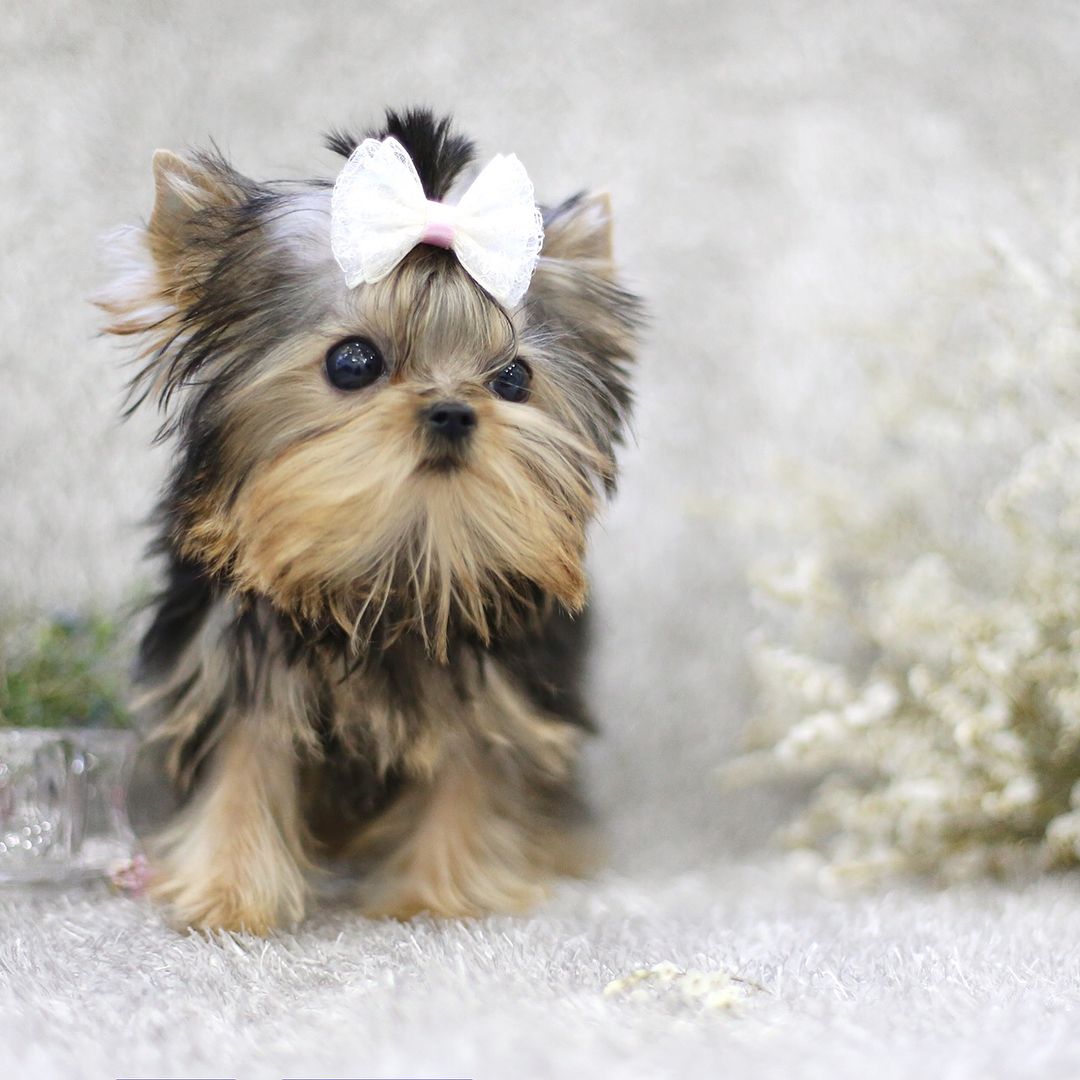
Quick Facts
Coat Colors
Breed Summary
The Yorkshire Terrier packs an enormous personality into a tiny, glamorous package. Weighing just 4-7 pounds, the Yorkie is a true terrier at heart—bold, confident, and feisty—wrapped in a coat of silky, floor-length hair that resembles human hair more than typical dog fur.
Originally bred by working-class English weavers to catch rats in textile mills, the Yorkie has risen from humble origins to become one of the world's most popular toy breeds. Their small size makes them perfect for apartment living, their hypoallergenic coat suits allergy sufferers, and their spirited personality provides endless entertainment.
Yorkies are fiercely loyal to their owners, often becoming devoted to one person above all others. They are brave beyond reason, sometimes confronting dogs ten times their size. This combination of beauty, bravery, and devotion makes the Yorkie an enduringly popular choice for companionship.
History
The Yorkshire Terrier was developed in the mid-19th century by Scottish weavers who migrated to the Yorkshire region of England during the Industrial Revolution. They brought small terriers with them—likely Clydesdale Terriers, Paisley Terriers, and Skye Terriers—which were crossed with local breeds to create a small, agile ratter that could navigate the tight spaces of textile mills and mines.
The breed was initially a working-class dog, but its beauty attracted the attention of Victorian-era high society. By the late 1800s, the Yorkie had transitioned from a rat catcher to a lapdog of the aristocracy. The breed was given its official name in 1870 and recognized by the AKC in 1885.
A famous Yorkie named Smoky served as a war dog in WWII, running communication cables through narrow tunnels and performing tricks to boost troop morale. She is considered the first therapy dog. Today, Yorkies consistently rank among the top 10 most popular AKC breeds.
Appearance
The Yorkshire Terrier is a compact, well-proportioned toy dog standing 7-8 inches tall and weighing 4-7 pounds. The body is square and sturdy despite its small size, reflecting the breed's terrier heritage.
The breed's most striking feature is its coat—long, silky, and straight, parting naturally along the spine and flowing to the ground. The hair is similar in texture to human hair and grows continuously rather than shedding. Show dogs maintain full-length coats, but most pets are kept in shorter "puppy cuts" for easy maintenance.
Puppies are born black and tan, gradually transitioning to the adult blue and tan (or gold) coloration by 1-2 years. The head features a small, flat skull, medium-sized dark eyes with a sharp, intelligent expression, and small V-shaped erect ears. The tail is traditionally docked (where legal), carried slightly higher than the back.
Temperament
Yorkshire Terriers are the embodiment of "big dog in a small body." They are confident, feisty, and bold—traits that served them well as ratters and now make them entertaining, sometimes challenging companions. Yorkies bond intensely with their primary person and can become protective and possessive.
Despite their tiny size, Yorkies are true terriers—energetic, determined, and occasionally stubborn. They are alert watchdogs who will bark at anything unusual, and their suspicion of strangers makes them surprisingly effective alarm systems. They can be bossy with other pets and have been known to boss around dogs many times their size.
Yorkies are affectionate with their family, enjoying lap time, cuddles, and being carried. However, they are not purely lap dogs—they retain their terrier energy and enjoy play, exploration, and mental challenges. They can be demanding of attention and may develop "Small Dog Syndrome" if excessively coddled.
Personality Around Others
Yorkies are devoted to their primary person and can be jealous of attention given to others. With children, they are best suited for older, gentle kids—their tiny size makes them fragile and easily injured by young children. Other dogs are viewed cautiously; Yorkies may be aggressive toward larger dogs despite the size difference. Cats are variable. Strangers are barked at and assessed before acceptance. Elderly owners are an excellent match for Yorkies' compact size and moderate exercise needs.
Exercise Needs
Yorkies need 20-30 minutes of daily exercise. Short walks, indoor play sessions, and interactive toys keep them happy. Their small size means they tire more quickly than larger breeds. Despite their toy classification, Yorkies enjoy and benefit from outdoor exploration—just keep them leashed as their terrier instincts may lead them to chase small animals. Mental stimulation through puzzle toys and training sessions is important.
Training
Yorkies are intelligent but can be stubborn. Consistency, patience, and positive reinforcement are key. House training is the biggest challenge—small bladders mean frequent outdoor trips. Many owners use indoor potty pads as a supplement. Crate training helps but the crate must be appropriately small. Socialization is crucial to prevent excessive barking and aggression toward strangers and other dogs. Start training early and be firm but gentle.
Grooming
Yorkie grooming is the breed's biggest maintenance commitment. The silky coat mats easily without daily brushing. Show coats require daily grooming with oil treatments and wrapping to protect the hair. Most pet owners keep their Yorkie in a "puppy cut" (trimmed short) for easier maintenance, requiring professional grooming every 4-6 weeks. The coat is hypoallergenic—it grows like human hair rather than shedding. Dental care is critical—Yorkies are prone to severe dental disease. Daily tooth brushing is recommended. Tear staining around the eyes needs regular cleaning.
Health
Common Health Conditions
Yorkies are generally long-lived (11-15 years) but prone to several small-breed conditions. Dental disease is nearly universal and can lead to tooth loss and systemic infection. Patellar luxation (slipping kneecap) affects many Yorkies. Portosystemic shunt is a liver condition that is more common in Yorkies than in any other breed. Tracheal collapse causes coughing and breathing difficulties. Hypoglycemia (low blood sugar) is particularly dangerous in puppies and very small adults.
Recommended Health Tests
- Patellar Evaluation
- Ophthalmologist Evaluation
- Bile Acids Test (liver)
- Cardiac Exam
Average Annual Vet Cost
$400–$800
Nutrition
Yorkies need 150-300 calories daily depending on size and activity. Feed a high-quality small-breed formula 2-3 times daily. CRITICAL: Yorkie puppies and very small adults are susceptible to hypoglycemia—never let them go more than 4-6 hours without food. Use small kibble sizes designed for toy breeds. Avoid table scraps—Yorkies are prone to pancreatitis triggered by fatty foods. Dental treats help with oral health.
Living Environment
Yorkies are the ultimate apartment dogs—rating 10/10 for apartment living. Their tiny size, moderate exercise needs, and indoor-friendly nature make them perfect for city living. They need a warm, draft-free living space (short coats and small bodies mean they feel cold easily). They can be indoor-only dogs with potty pad training. A small yard is a bonus but not necessary. They need sweaters and coats in cold weather.
Ideal Family
Yorkies are ideal for singles, seniors, couples, and families with older children. They suit apartment dwellers, work-from-home professionals, and people who enjoy grooming their dogs. NOT ideal for: families with toddlers (injury risk), rough-and-tumble households, owners who dislike grooming, or people who want a reliable off-leash dog.
Intelligence
Yorkies rank 34th in canine intelligence—fairly high for a toy breed. They learn commands quickly when motivated and can be excellent trick dogs. Their terrier heritage gives them strong problem-solving ability and excellent memory. They are clever enough to manipulate their owners with those adorable eyes, learning exactly which behaviors get them what they want.
Barking
Frequency
Alert
Separation
Quiet Indoors
Yorkies are alert, vocal dogs that bark at doorbells, strangers, other dogs, and unfamiliar sounds. Their bark is sharp and surprisingly loud for their size. Training can manage excessive barking, but expect regular vocalizations—this is a watchdog at heart.
Shedding
Year-Round
Seasonal
Vacuum Factor 🧹
Hypoallergenic
Yorkies have hair that grows like human hair rather than typical dog fur. They barely shed at all, making them one of the best choices for allergy sufferers. The trade-off is continuous coat growth that requires regular grooming and trimming.
Weather Tolerance
☀️
Heat
❄️
Cold
🌧️
Rain
🌨️
Snow
💧
Humidity
Breed Ratings
Fun Facts
Smoky, a WWII Yorkie, is considered the first therapy dog in recorded history.
Yorkies were originally bred as rat catchers in English textile mills.
A Yorkie's coat changes color from black and tan at birth to blue and tan/gold by age 1-2.
Yorkies are one of the most popular breeds for celebrity owners—Audrey Hepburn, Paris Hilton, and Missy Elliott all owned Yorkies.
Despite their dainty appearance, Yorkies were working-class dogs for nearly a century before becoming aristocratic pets.
A Yorkie named Sylvia holds the record for the smallest dog ever—2.5 inches tall, 3.5 inches long, weighing just 4 ounces.
Yorkies have the same number of teeth (42) as a Great Dane.
Famous Dogs
Smoky
WWII war hero and first therapy dog, running communication cables through tunnels
Huddersfield Ben
Father of the breed—the foundation sire of modern Yorkshire Terriers
Mr. Famous
Audrey Hepburn's beloved Yorkie companion
Common Myths
"Yorkies are fragile and can't be "real" dogs."
Yorkies are terriers bred for pest control. They are tough, brave, and far more resilient than their tiny size suggests.
"Yorkies are hypoallergenic and produce no allergens."
While Yorkies produce fewer allergens than most breeds due to their hair-like coat, no dog is truly hypoallergenic. They still produce dander and saliva proteins.
"Yorkies don't need exercise."
All dogs need exercise. Yorkies benefit from 20-30 minutes of daily activity to maintain health and prevent obesity.
Frequently Asked Questions
Are Yorkies good apartment dogs?
Yorkies are arguably the best apartment dogs—small, adaptable, and manageable. Their barking is the main concern for apartment living.
Are Yorkies hypoallergenic?
Yorkies produce fewer allergens than most breeds. Their hair grows like human hair rather than shedding, making them one of the best options for allergy sufferers.
How long do Yorkshire Terriers live?
11-15 years with proper care—one of the longest lifespans of any breed.
Are Yorkies good with children?
Best with older, gentle children. Their tiny size makes them vulnerable to injury from rough handling by young kids.
How much grooming do Yorkies need?
Significant grooming—daily brushing for long coats, or professional grooming every 4-6 weeks for a puppy cut. Plus regular dental care.
Adoption Tips
Yorkie rescues include United Yorkie Rescue and regional organizations. Many Yorkies are surrendered due to grooming demands, house training difficulties, or excessive barking. Ask about dental health (often the most expensive medical issue), temperament with other animals, and house training status. Senior Yorkies make wonderful, calm companions.
Puppy Guide
Yorkie puppies are tiny and fragile—handle with care. Feed 3-4 times daily to prevent hypoglycemia. Socialization is critical to prevent fearful aggression. House training requires patience—many owners use potty pads. Start grooming routines early. Supervise around larger dogs. Puppy coat will change color over the first 1-2 years. Full size reached by 7-8 months.
Senior Care
Senior Yorkies (10+) need dental care more than ever—dental disease can affect overall health. Monitor for tracheal collapse symptoms (honking cough). Joint supplements help with patellar luxation. Keep warm—small bodies lose heat quickly. Maintain regular grooming. Many senior Yorkies develop cataracts or vision changes. Regular vet visits every 6 months with dental exams.
Similar Breeds
Silky Terrier
Slightly larger, similar silky coat and terrier personality. More athletic build.
Maltese
Similar size and hypoallergenic coat but softer temperament. Less terrier-like, more lapdog.
Toy Poodle
Similar size and hypoallergenic. More trainable but requires more grooming.
Cairn Terrier
Similar terrier personality but with a rough coat. More robust and lower grooming needs.
Ownership Costs
Estimated Lifetime Cost
$12,000–$22,000
Pros and Cons
Pros
Hypoallergenic, minimal shedding coat
Perfect apartment dog—tiny size, adaptable
Long lifespan (11-15 years)
Loyal and devoted companion
Portable—travels well
Alert watchdog
Beautiful, glamorous appearance
Spirited, entertaining personality
Cons
Significant grooming requirements
Fragile—easily injured by rough handling
Excessive barking tendency
Difficult to house train
Not suitable for families with young children
Prone to dental disease
Can develop Small Dog Syndrome if over-coddled
Susceptible to hypoglycemia (especially puppies)