
Poodle (Toy)
Also known as: Toy Poodle, Caniche
Energy Level
Apartment Friendly
Weight (Male)
4-6 lbs
Height (Male)
Up to 10 inches
Quick Facts
Coat Colors
Breed Summary
The Toy Poodle is the smallest variety of the exceptionally intelligent Poodle. Combining the brilliance and athleticism of their larger counterparts in a tiny package, they are devoted, trainable, and remarkably versatile companions.
History
Poodles originated as water retrievers in Germany and were refined in France. The Toy variety was developed by breeding down Standard and Miniature Poodles. Popular as companions for centuries. AKC recognizes all three sizes in one breed standard since 1887.
Appearance
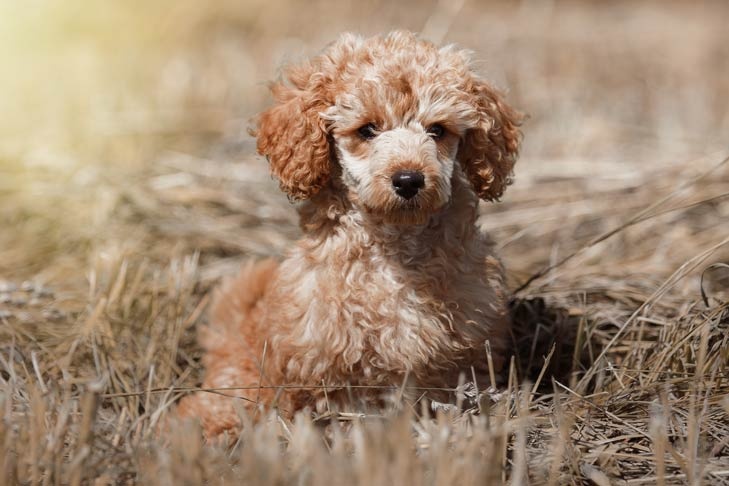
A tiny, elegant dog with a dense, curly, non-shedding coat. Proud carriage, dark oval eyes, and an intelligent expression. Well-proportioned, square build. The coat can be styled in various clips.
Temperament
Exceptionally intelligent, eager to please, and remarkably versatile. Toy Poodles have the same brilliant mind as Standard Poodles. They are affectionate, active, and excel at learning anything.
Personality Around Others
Very devoted to family. Good with gentle children. Friendly with other dogs. Can be sensitive. Love being center of attention.
Exercise Needs
Moderate exercise for their size. Daily walks and play. Love learning tricks and games. Active little dogs.
Training
One of the most trainable breeds of any size. Eager to please. Quick learners. Excel at tricks, agility, obedience.
Grooming
Non-shedding coat requires regular professional grooming every 4-6 weeks. Daily brushing to prevent matting. Various clip styles.
Health
Common Health Conditions
Generally healthy with very long potential lifespan. Joint and eye issues are the main concerns. DNA testing available.
Recommended Health Tests
- Patellar Evaluation
- PRA DNA Test
- Ophthalmologist Evaluation
Average Annual Vet Cost
$500-$1,000
Nutrition
Quality toy-breed food. Small portions. Active dogs need good nutrition. Monitor weight.
Living Environment
Excellent apartment dogs. Active but small. Thrive in any living situation.
Ideal Family
Families, singles, seniors wanting a brilliant companion. Great first-time dogs. Allergy sufferers.
Intelligence
Among the top 3 most intelligent breeds. Learn with astonishing speed. Love mental challenges.
Barking
Frequency
Alert
Separation
Quiet Indoors
Can be barky. Alert to sounds. Training manages barking effectively.
Shedding
Year-Round
Seasonal
Vacuum Factor 🧹
Hypoallergenic
Non-shedding coat. Requires regular professional grooming but produces minimal allergens.
Weather Tolerance
☀️
Heat
❄️
Cold
🌧️
Rain
🌨️
Snow
💧
Humidity
Breed Ratings
Fun Facts
Poodles are the 2nd most intelligent dog breed—Toys have the same brilliant mind
Their curly coat was originally designed to protect joints while swimming
The famous Poodle clips were functional—hair left on joints for warmth
They are the national dog of France despite originating in Germany
Can live to 18+ years making them one of the longest-lived breeds
Famous Dogs
Nana
A Toy Poodle who set records at obedience trials, demonstrating the breed's intelligence
Common Myths
"Poodles are prissy, high-maintenance dogs"
Poodles are athletic, intelligent working dogs. The fancy grooming clips were originally functional
"Toy Poodles are less intelligent than Standards"
All Poodle sizes share the same remarkable intelligence—it's the same breed in different packages
Frequently Asked Questions
Are Toy Poodles fragile?
They are small but surprisingly sturdy and active. Normal care and supervision keep them safe.
How often do they need grooming?
Professional grooming every 4-6 weeks. Daily brushing between grooms to prevent matting.
Puppy Guide
Toy Poodle puppies are tiny geniuses. Start training early. Protect from falls. Socialize broadly.
Senior Care
Senior Toy Poodles remain bright and active. One of longest-lived breeds. Regular vet care.
Similar Breeds
Poodle
Same breed in Standard size—identical intelligence and temperament, just larger
Bichon Frise
Both non-shedding, white companion breeds but Poodles are more athletic and intelligent
Ownership Costs
Estimated Lifetime Cost
$14,000-$22,000
Pros and Cons
Pros
Exceptionally intelligent
Non-shedding coat
Great apartment dog
Highly trainable
Very long lifespan
Cons
Needs regular grooming
Can be barky
Grooming costs
Separation anxiety
Fragile size