Silky Terrier
Also known as: Australian Silky Terrier, Sydney Silky
Energy Level
Apartment Friendly
Weight (Male)
10 lbs
Height (Male)
9-10 inches
Quick Facts
Coat Colors
Breed Summary
The Silky Terrier is a true terrier in a glamorous coat. Developed in Australia from Yorkshire and Australian Terrier crosses, they combine the elegance of a toy breed with the spirit of a working terrier.
History
Developed in Australia by crossing Yorkshire Terriers with Australian Terriers. Originally called the Sydney Silky. Created to be a companion with terrier spirit. Distinct from both parent breeds. AKC recognized in 1959.
Appearance
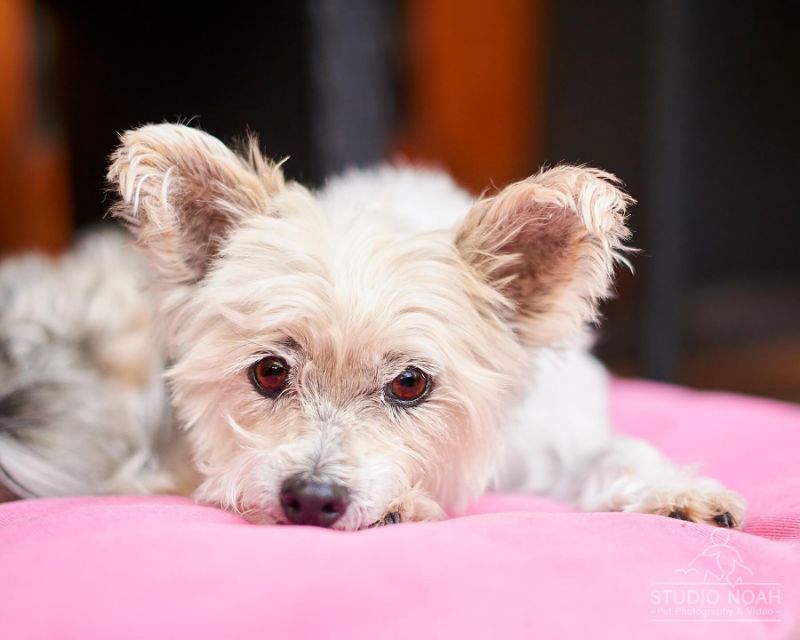
A fine-boned, elegant toy terrier with a long, straight, silky coat in blue and tan. V-shaped erect ears, dark almond eyes. Refined but sturdy build. The coat parts down the middle of the back.
Temperament
Spirited, friendly, and keenly alert. Silky Terriers have true terrier temperament—they are bold, curious, and energetic. More terrier than toy, they love activity and adventure.
Personality Around Others
Devoted to family. Alert and watchful. Good with older children. Can be feisty with other dogs. Active personality.
Exercise Needs
Moderate to high exercise for a toy breed. Daily walks and active play. Love exploring and games.
Training
Intelligent and willing to learn. Positive reinforcement. Can have terrier stubbornness. Keep training fun.
Grooming
Silky coat needs daily brushing. Regular bathing. Trim as needed. More grooming than many toy breeds.
Health
Common Health Conditions
Generally healthy breed. Joint issues and tracheal collapse are the main concerns. Regular vet care.
Recommended Health Tests
- Patellar Evaluation
- Ophthalmologist Evaluation
Average Annual Vet Cost
$500-$1,000
Nutrition
Quality toy-breed food. Two small meals daily. Monitor weight. Active dogs need good nutrition.
Living Environment
Good apartment dogs with daily exercise. More active than most toy breeds. Need mental stimulation.
Ideal Family
Active owners wanting a spirited small companion. Those who enjoy grooming. Terrier enthusiasts.
Intelligence
Intelligent and quick-witted. True terrier mind. Problem-solvers. Learn quickly with motivation.
Barking
Frequency
Alert
Separation
Quiet Indoors
Can be barky. Alert to everything. True terrier vocalization. Training helps.
Shedding
Year-Round
Seasonal
Vacuum Factor 🧹
Hypoallergenic
Low shedding. Silky single coat drops minimal hair with regular grooming.
Weather Tolerance
☀️
Heat
❄️
Cold
🌧️
Rain
🌨️
Snow
💧
Humidity
Breed Ratings
Fun Facts
Created by crossing Yorkshire Terriers with Australian Terriers
More terrier than toy—they retain strong hunting instincts
Their coat grows to floor length if not trimmed
Originally called the Sydney Silky in Australia
One of the few toy breeds that is truly a working terrier
Famous Dogs
Early Australian Show Champions
Silky Terriers who helped establish the breed standard in Sydney in the early 1900s
Common Myths
"They're just another Yorkshire Terrier"
Silky Terriers are a distinct breed with Australian Terrier influence, making them sturdier and more terrier-like
"Silky coat means high maintenance"
While daily brushing is needed, the single coat is actually easier to manage than many double-coated breeds
Frequently Asked Questions
How are they different from Yorkies?
Silkies are larger, sturdier, and more terrier-like. They have Australian Terrier influence and a different coat texture.
Do they bark a lot?
They can be vocal—true terrier alertness. Training helps manage barking but they remain watchful.
Puppy Guide
Silky puppies are active and bold. Start grooming early. Socialize broadly. Channel terrier energy.
Senior Care
Senior Silkies remain spirited. Joint care important. Continue grooming routine.
Ownership Costs
Estimated Lifetime Cost
$13,000-$18,000
Pros and Cons
Pros
True terrier spirit
Beautiful silky coat
Low shedding
Good apartment size
Loyal companion
Cons
Can be barky
Daily grooming needed
Terrier stubbornness
High prey drive
Can be feisty