
Australian Terrier
Also known as: Aussie Terrier
Energy Level
Apartment Friendly
Weight (Male)
15-20 lbs
Height (Male)
10-11 inches
Quick Facts
Coat Colors
Breed Summary
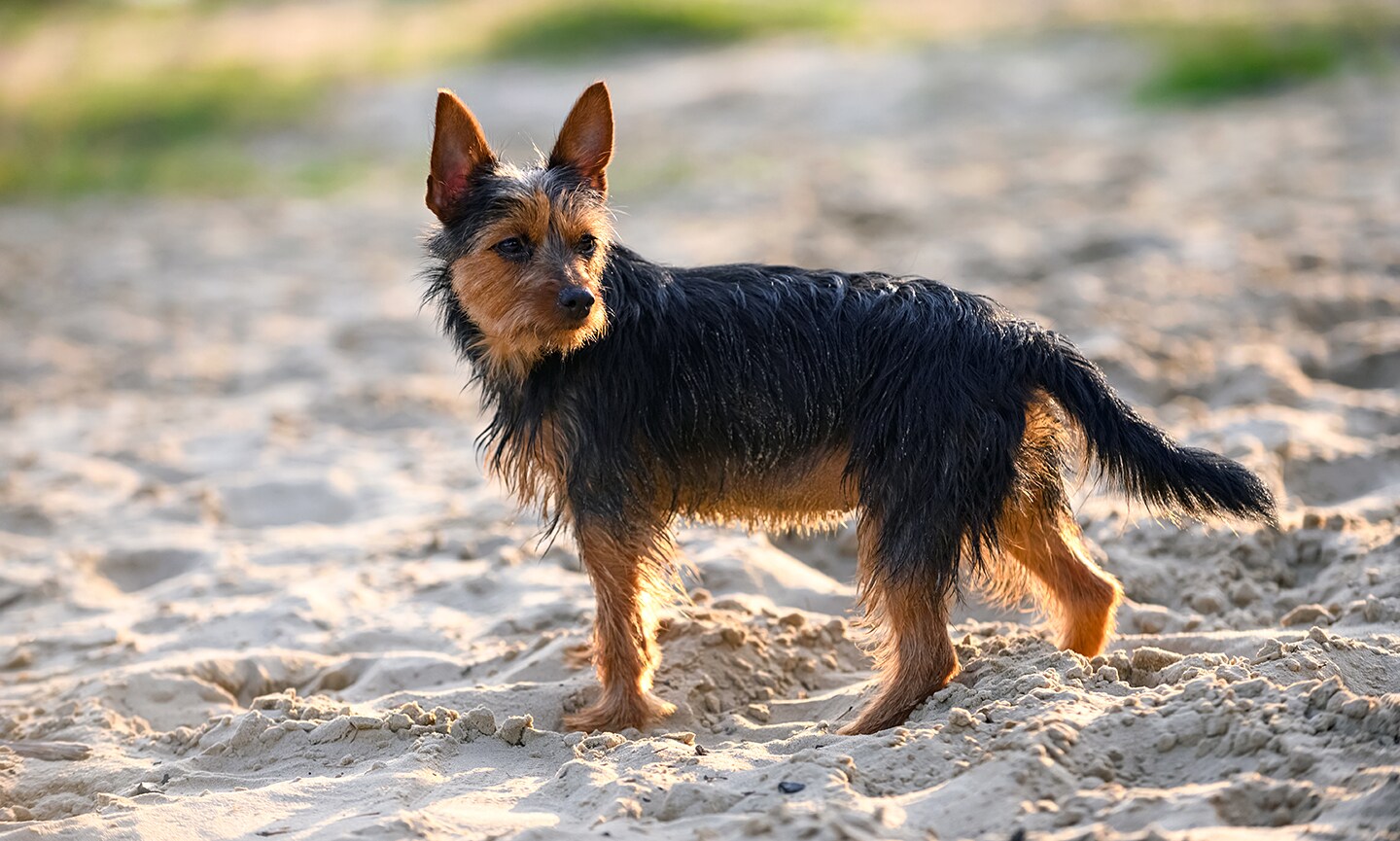
The Australian Terrier is a spirited, affectionate small breed—the first developed in Australia. These tough little dogs were bred to hunt snakes and rodents in the harsh Australian bush, and today make loyal, courageous companions.
History
Created in Australia by settlers who crossed various British terriers including Yorkshire, Cairn, Dandie Dinmont, and Skye Terriers. Recognized by the AKC in 1960. One of the smallest working terriers, bred for the harsh Australian conditions.
Appearance
A sturdy, small terrier with a rough-textured double coat. Distinctive silky topknot and ruff around the neck. Alert, keen expression. Compact and well-proportioned body with short legs and erect ears.
Temperament
Spirited, affectionate, and courageous despite their small size. Australian Terriers are loyal companions with typical terrier confidence. They bond closely with their families and are always ready for adventure.
Personality Around Others
Very attached to their family. Good with older children. May try to dominate other dogs despite their size. Alert watchdog. Strong prey drive for small animals.
Exercise Needs
Moderate exercise needs. Daily walks and play sessions. Love chasing balls and playing games. Need mental stimulation to prevent boredom behaviors like digging.
Training
Intelligent and willing to learn. Respond well to positive reinforcement. Can be independent. Keep training fun and varied. Early socialization recommended.
Grooming
Brush 2-3 times weekly. Hand-strip coat periodically. Regular bathing. Low shedding. Trim nails and clean ears regularly.
Health
Common Health Conditions
Generally healthy breed. Patellar luxation and diabetes are the main health concerns. Regular vet checkups recommended.
Recommended Health Tests
- Patellar Evaluation
- Thyroid Testing
Average Annual Vet Cost
$600-$1,200
Nutrition
Quality small-breed food. Two meals daily. Monitor weight. Some may be prone to diabetes, so consistent diet is important.
Living Environment
Adaptable to apartments with daily exercise. Love having a yard but will dig. Good indoor dogs. Secure fencing needed.
Ideal Family
Families wanting a loyal, low-maintenance small dog. Great for older adults. First-time owners with terrier research. Active individuals.
Intelligence
Smart and quick to learn. They figure out routines quickly. Can be crafty about getting what they want. Enjoy problem-solving games.
Barking
Frequency
Alert
Separation
Quiet Indoors
Vocal breed that alerts to everything. Training can manage excessive barking but they remain watchful.
Shedding
Year-Round
Seasonal
Vacuum Factor 🧹
Hypoallergenic
Low shedding with regular grooming. Hand-stripping maintains coat texture and reduces loose hair.
Weather Tolerance
☀️
Heat
❄️
Cold
🌧️
Rain
🌨️
Snow
💧
Humidity
Breed Ratings
Fun Facts
First breed developed in Australia
One of the smallest working terriers in the world
Famous for killing snakes in the Australian bush
One of the first breeds recognized by AKC from the Southern Hemisphere
Despite their size, they have enormous terrier courage
Famous Dogs
Peter
An early Australian Terrier who reportedly protected his owner by killing a venomous snake
Common Myths
"They're too small to be working dogs"
They were bred as tough working terriers in harsh Australian conditions, hunting snakes and rodents
"Small terriers don't need exercise"
Australian Terriers are energetic dogs that need daily walks and play to stay happy
Frequently Asked Questions
Are they good apartment dogs?
Yes—their small size makes them adaptable to apartments with daily exercise and mental stimulation.
Do they bark a lot?
They can be vocal—alert to sounds and movement. Training helps manage barking but they remain watchful.
Puppy Guide
Puppies are energetic and curious. Socialize early. Establish ground rules for digging. Channel prey drive into games.
Senior Care
Senior Aussie Terriers remain spirited. Watch for diabetes and joint issues. Continue moderate exercise. They stay loyal.
Ownership Costs
Estimated Lifetime Cost
$12,000-$18,000
Pros and Cons
Pros
Great apartment size
Low shedding
Excellent watchdog
Loyal companion
Adaptable
Cons
Can be barky
Strong prey drive
Likes to dig
May dominate other dogs
Can be independent