
Welsh Springer Spaniel
Also known as: Welshie, Welsh Springer
Energy Level
Apartment Friendly
Weight (Male)
40–55 lbs
Height (Male)
18–19 inches
Quick Facts
Coat Colors
Breed Summary
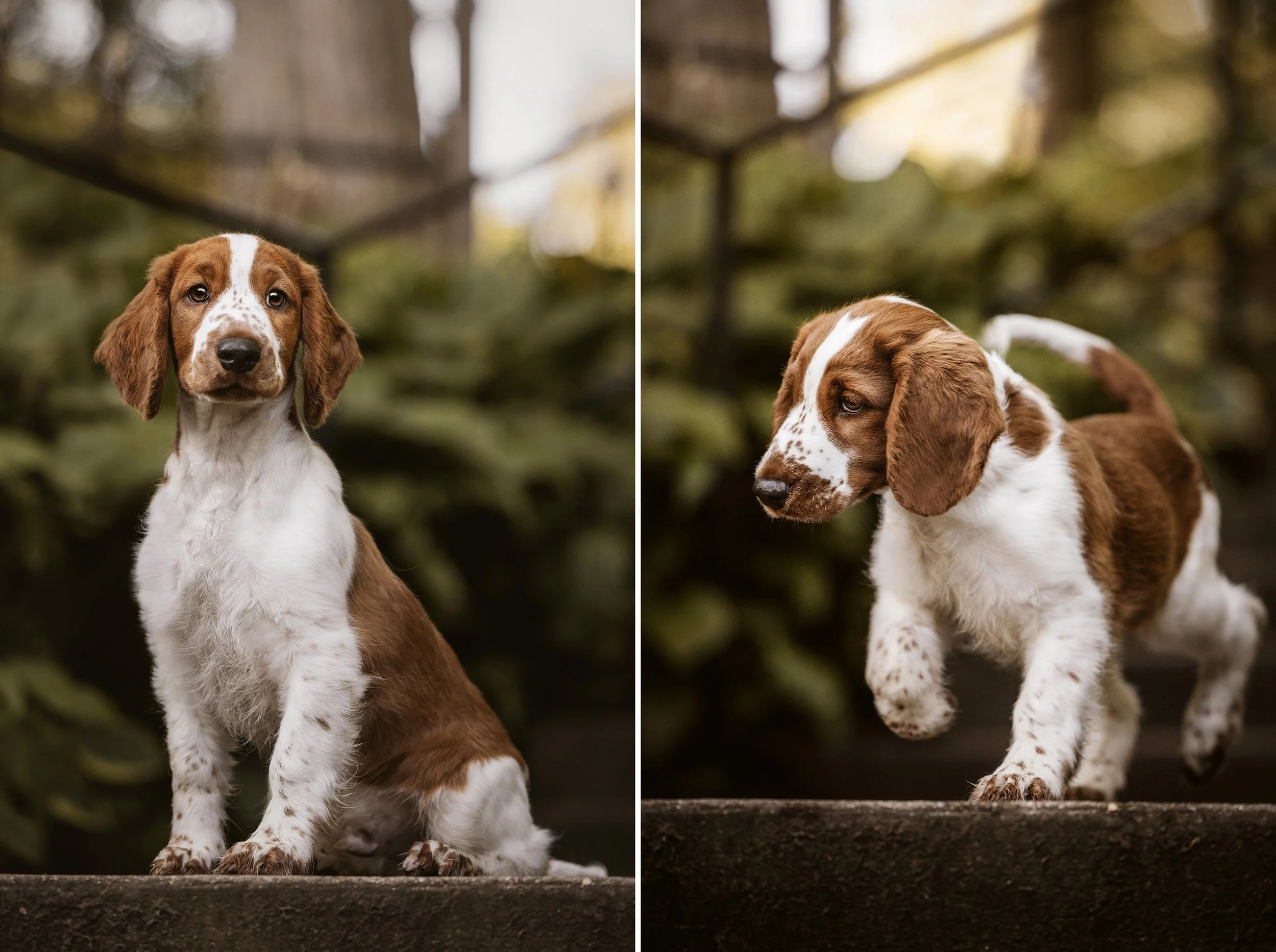
The Welsh Springer Spaniel is a loyal, hardworking sporting dog with a distinctive red and white coat. Slightly smaller than their English counterpart, they are versatile hunters and devoted family companions with a steady, reliable temperament.
History
An ancient breed dating back to at least the 1300s in Wales. Welsh Springers were used as general-purpose hunting dogs by the Welsh gentry. They are one of the oldest sporting breeds in Britain.
Appearance
Compact and well-built with a beautiful red and white silky coat. Their gentle, intelligent expression and feathered ears give them an appealing, friendly look. Slightly smaller and lighter than English Springers.
Temperament
Loyal, affectionate, and devoted to family. Welsh Springers are more reserved than their English cousins but form incredibly strong bonds with their people.
Personality Around Others
Reserved with strangers but not aggressive. Deeply loyal to family. Good with children and other pets when properly socialized.
Exercise Needs
Moderate to high exercise needs. About 1–1.5 hours daily. They enjoy walks, swimming, and field work. Less intense than English Springers.
Training
Willing to please but can be reserved. Gentle, positive methods work best. Early socialization is important due to their reserved nature.
Grooming
Moderate grooming. Brush 2–3 times weekly. Trim feathering as needed. Regular ear cleaning. Their coat is easier to maintain than English Springers.
Health
Common Health Conditions
Generally healthy with good longevity. Eye conditions should be screened for. A robust breed overall.
Recommended Health Tests
- Hip Evaluation
- Ophthalmologist Evaluation
Average Annual Vet Cost
$300–$700
Nutrition
High-quality food for medium active breeds. About 1.5–2.5 cups daily in two meals.
Living Environment
Can adapt to various living situations with adequate exercise. A yard is helpful but not essential. They are calm indoor dogs.
Ideal Family
Great for families wanting a loyal, less intense sporting dog. Excellent with children. Good for experienced owners.
Intelligence
Intelligent with good working instincts. They learn well with patient, positive methods and enjoy having a purpose.
Barking
Frequency
Alert
Separation
Quiet Indoors
Moderate barkers. They alert to visitors but are not excessive. Generally calm and quiet indoors.
Shedding
Year-Round
Seasonal
Vacuum Factor 🧹
Hypoallergenic
Moderate shedding with seasonal increases. Regular brushing manages their silky coat well.
Weather Tolerance
☀️
Heat
❄️
Cold
🌧️
Rain
🌨️
Snow
💧
Humidity
Breed Ratings
Fun Facts
Welsh Springer Spaniels are one of the oldest sporting breeds, dating to the 1300s.
Their red and white coat pattern has remained unchanged for centuries.
They are the only spaniel breed native to Wales.
Welsh Springers are slightly smaller than English Springers.
They were originally called "Welsh Cockers" before being recognized as a separate breed.
Famous Dogs
Dorina
Foundation dog in modern Welsh Springer breeding programs
Bridge
Early champion that helped establish the breed standard
Common Myths
"They are just red English Springers."
Welsh Springers are a distinct, much older breed with a different temperament, build, and heritage. They are more reserved and loyal.
"They are too shy for family life."
While reserved with strangers, Welsh Springers are deeply affectionate with their families. Early socialization helps them become well-rounded.
Frequently Asked Questions
How are Welsh Springers different from English Springers?
Welsh Springers are slightly smaller, only come in red and white, are more reserved with strangers, and tend to be less intense but equally loyal.
Are they good with children?
Yes, excellent. Their patient, gentle nature makes them wonderful family dogs. They form strong bonds with children they are raised with.
Puppy Guide
Welsh Springer puppies need early socialization due to their reserved nature. Use gentle, positive training methods. Introduce to many people and situations.
Senior Care
Senior Welsh Springers remain devoted and active. Monitor for joint and eye issues. Continue moderate exercise and companionship.
Ownership Costs
Estimated Lifetime Cost
$14,000–$22,000
Pros and Cons
Pros
Deeply loyal and devoted
Beautiful red and white coat
Reliable, steady temperament
Good with children
Less intense than English Springers
Cons
Reserved with strangers
Needs early socialization
Moderate shedding
Not widely available
Can be clingy with owners