
Brittany
Also known as: Brittany Spaniel, Epagneul Breton, French Brittany
Energy Level
Apartment Friendly
Weight (Male)
30–40 lbs
Height (Male)
17.5–20.5 inches
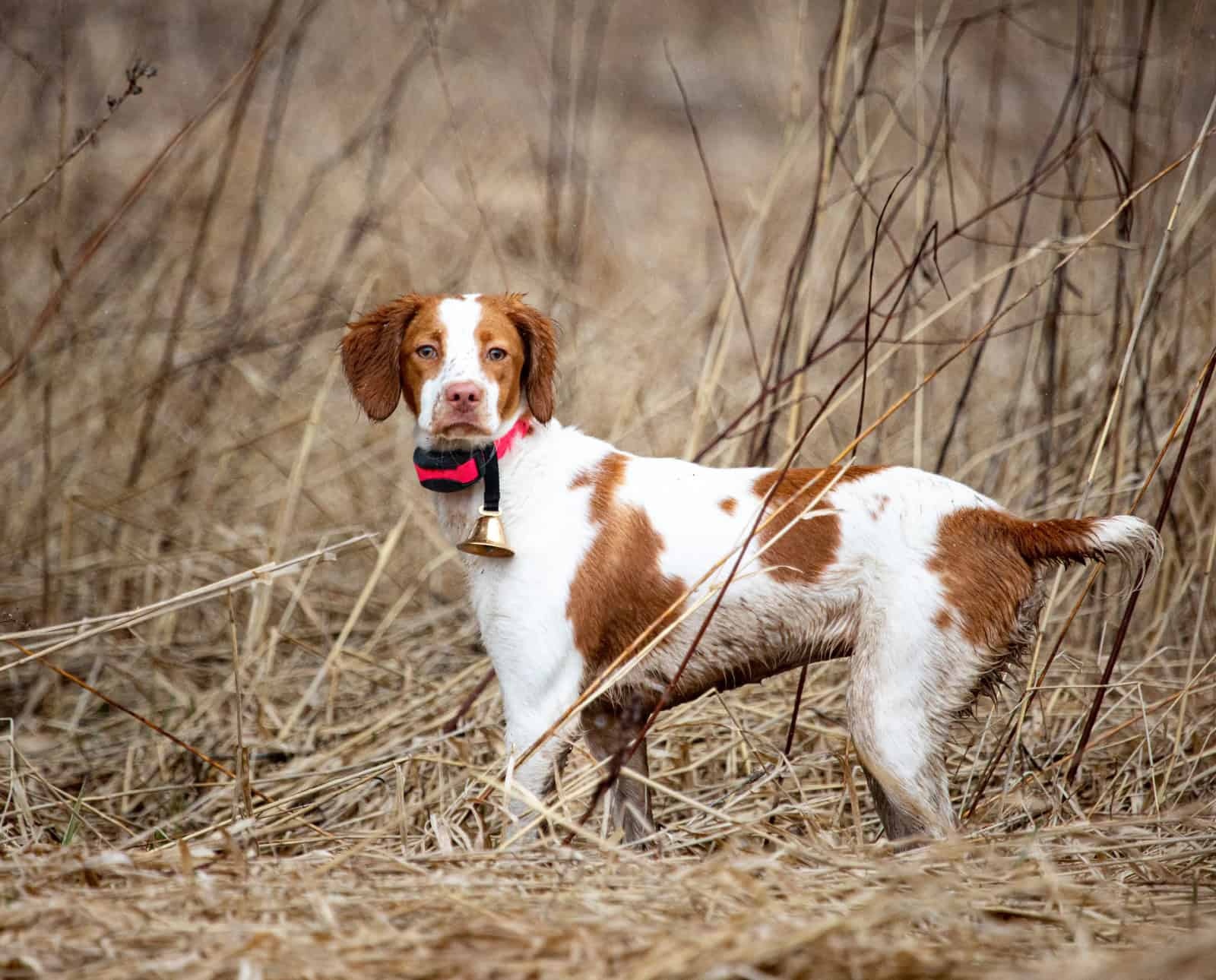
Quick Facts
Coat Colors
Breed Summary
The Brittany is an energetic, versatile bird dog that points and retrieves with equal skill. Despite being called a spaniel historically, they work more like a setter or pointer. Their compact size, intelligence, and eager temperament make them one of the most popular sporting breeds.
History
Originating in the Brittany province of France in the 1800s, these dogs were developed by French peasant hunters who needed an all-purpose bird dog. The breed was refined through crosses with English Setters. The AKC dropped 'Spaniel' from their name in 1982.
Appearance
Compact, athletic, and leggy for their size. They have an alert, expressive face with amber or hazel eyes. Their medium-length coat is flat or slightly wavy with feathering on the legs and ears. Some are born tailless or with naturally short tails.
Temperament
Happy, alert, and eager to please with boundless energy. Brittanys are sensitive dogs that respond to gentle handling and thrive on human companionship.
Personality Around Others
Extremely friendly with everyone including strangers, children, and other dogs. Their gentle, sociable nature makes them poor guard dogs but excellent family companions.
Exercise Needs
Very high exercise needs — at least 1.5 hours of vigorous activity daily. Running, hiking, swimming, and field work are ideal. They make excellent running partners.
Training
One of the most trainable sporting breeds. They are eager to please and responsive to gentle, positive methods. Harsh corrections can shut them down due to their sensitivity.
Grooming
Moderate grooming. Brush weekly to manage feathering. Trim around ears and feet as needed. Regular ear cleaning and nail trims. Their coat is relatively easy to maintain.
Health
Common Health Conditions
Generally a very healthy, long-lived breed. Hip dysplasia and epilepsy are the primary concerns. Responsible breeders screen for genetic conditions.
Recommended Health Tests
- Hip Evaluation
- Ophthalmologist Evaluation
- Thyroid Evaluation
Average Annual Vet Cost
$300–$700
Nutrition
Feed a high-quality food for active breeds. About 1.5–2 cups daily divided into two meals. Active hunting dogs may need higher calorie intake during season.
Living Environment
Best suited for active homes with yards. Not ideal for apartments due to their high energy. They need room to run and thrive in rural or suburban settings.
Ideal Family
Perfect for active families, runners, hikers, and hunters. Great with children. Ideal for first-time sporting dog owners due to their trainability and gentle nature.
Intelligence
Highly intelligent with excellent problem-solving skills in the field. They learn quickly and retain training well. Their intelligence combined with willingness to please makes them outstanding working dogs.
Barking
Frequency
Alert
Separation
Quiet Indoors
Moderate barkers. Generally quiet indoors when exercised. May bark or whine when left alone or under-stimulated.
Shedding
Year-Round
Seasonal
Vacuum Factor 🧹
Hypoallergenic
Moderate shedding with seasonal increases. Their flat coat is relatively easy to maintain and doesn't trap as much debris as curlier-coated breeds.
Weather Tolerance
☀️
Heat
❄️
Cold
🌧️
Rain
🌨️
Snow
💧
Humidity
Breed Ratings
Fun Facts
Brittanys have won more dual championships (both field and show) than any other sporting breed.
The AKC dropped 'Spaniel' from their name in 1982 because they point rather than flush.
Some Brittanys are born naturally tailless.
They are the smallest of the pointing breeds.
A single Brittany held the record for the most AKC field trial championships.
Famous Dogs
Dual Ch. Pacolet Sam
One of the most decorated Brittanys in breed history
NFC FC Beans Blaze
National Field Champion that showcased the breed's hunting excellence
Common Myths
"Brittanys are spaniels."
Despite historically being called Brittany Spaniels, they point game like setters and pointers rather than flushing like true spaniels. The AKC officially dropped 'Spaniel' in 1982.
"They're too hyper for family life."
With adequate exercise, Brittanys are calm and affectionate indoors. They make wonderful family dogs when their physical needs are met.
Frequently Asked Questions
Are Brittanys good for first-time dog owners?
Yes, their eagerness to please and trainability make them excellent for first-time sporting dog owners, provided the owner is active enough to meet their exercise needs.
Do Brittanys need to hunt?
No, but they need an outlet for their energy. Running, hiking, agility, and other active sports can substitute for hunting.
Puppy Guide
Brittany puppies are extremely energetic. Start training and socialization early. Use gentle, positive methods. Provide plenty of safe chewing options and structured playtime.
Senior Care
Senior Brittanys may develop joint issues but often remain active. Maintain moderate exercise. Monitor for hypothyroidism. Keep up regular vet checkups.
Ownership Costs
Estimated Lifetime Cost
$13,000–$20,000
Pros and Cons
Pros
Highly trainable and eager to please
Excellent family dog with children
Versatile in field and home
Generally very healthy breed
Compact size with big-dog athleticism
Cons
Extremely high exercise requirements
Can be too sensitive for harsh environments
Not suited for sedentary households
May develop separation anxiety
Strong hunting instincts may chase small animals