
German Shorthaired Pointer
Also known as: GSP, Deutsch Kurzhaar
Energy Level
Apartment Friendly
Weight (Male)
55–70 lbs (25–32 kg)
Height (Male)
23–25 inches (58–64 cm)
Quick Facts
Coat Colors
Breed Summary
The German Shorthaired Pointer is the ultimate versatile hunting dog — equally adept at pointing, retrieving, and trailing game on land and water. With their noble appearance, boundless energy, and eager-to-please nature, GSPs have become one of the most popular sporting breeds in America. They are athletic, intelligent, and thrive on activity and companionship.
History
Developed in 19th-century Germany through crosses of German Bird Dogs, Spanish Pointers, and English Pointers, the GSP was engineered to be an all-purpose hunting dog. German breeders sought a dog that could point and retrieve both upland birds and waterfowl, track wounded game, and serve as a loyal family companion. Prince Albrecht zu Solms-Braunfels played a key role in standardizing the breed. The AKC recognized the GSP in 1930, and the breed has since become a favorite of hunters and active families alike.
Appearance
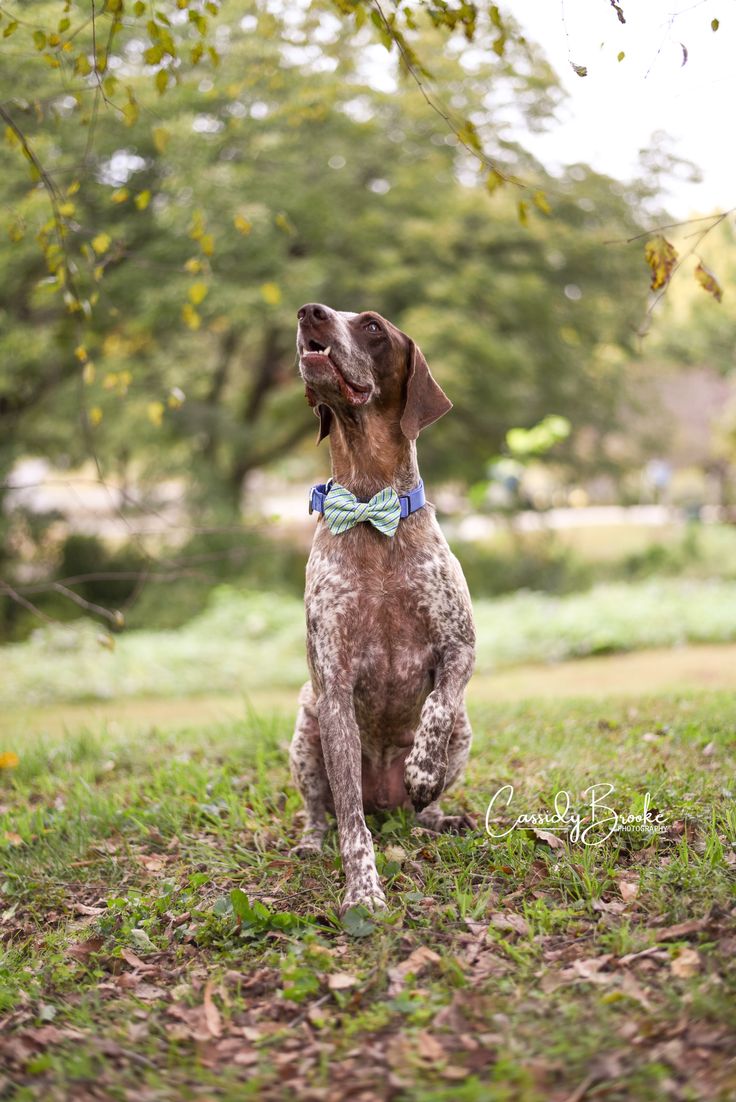
The GSP has a lean, athletic build designed for endurance and agility. Their short, dense coat is liver-colored or liver and white in various patterns (solid, patched, ticked, or roan). Their noble head features a broad, arched muzzle and large, dark, expressive eyes. Ears are broad and lie flat against the head. The tail is traditionally docked. Their overall appearance exudes power, speed, and elegance.
Temperament
GSPs are enthusiastic, willing workers with a strong desire to please. They are highly intelligent, versatile, and form deep bonds with their handlers. Their energy is legendary — they seem to have an inexhaustible supply of enthusiasm for any outdoor activity. They are gentle and affectionate at home but always ready for adventure.
Personality Around Others
Generally friendly with everyone, including other dogs and children. Their exuberance can overwhelm small children, and their strong prey drive means small pets like rabbits or birds may trigger chasing instincts. Early socialization ensures they are well-mannered and confident in all situations.
Exercise Needs
Extremely high exercise needs — GSPs require 1–2 hours of vigorous activity daily. Running, swimming, hiking, and retrieving games are ideal. They make excellent jogging and cycling partners. Without sufficient exercise, they become destructive and hyperactive. A tired GSP is a happy GSP.
Training
Highly trainable and eager to please. GSPs excel in obedience, field trials, agility, dock diving, and virtually any canine sport. They respond best to positive reinforcement with variety — repetitive drills bore them. Early socialization and puppy classes are recommended. Their intelligence makes them quick learners.
Grooming
Very low maintenance. Weekly brushing removes loose hair, and baths are needed only occasionally. Their short, water-repellent coat is naturally clean. Regular nail trimming, ear cleaning (important for floppy-eared breeds), and dental care complete their grooming routine.
Health
Common Health Conditions
Generally a healthy, long-lived breed. Hip dysplasia and bloat are the most significant concerns. Responsible breeders screen for hip, elbow, eye, and cardiac issues. Their active lifestyle helps maintain physical condition, but joint health should be monitored.
Recommended Health Tests
- Hip Evaluation
- Ophthalmologist Evaluation
- Cardiac Exam
- Elbow Evaluation
Average Annual Vet Cost
$500–$1,200
Nutrition
Feed a high-quality, high-protein food formulated for active sporting breeds. GSPs need about 2–3 cups daily, adjusted for activity level. Active hunting dogs may need significantly more calories during season. Feed in two meals to reduce bloat risk. Ensure consistent hydration during exercise.
Living Environment
Not suitable for apartments. GSPs need a house with a large, securely fenced yard — they can jump 6-foot fences. They should live indoors with their family but need extensive outdoor access. They thrive in rural or suburban environments with space to run.
Ideal Family
Best for very active individuals, runners, hikers, and hunters. Families who enjoy outdoor activities and can provide extensive daily exercise. Not suitable for sedentary households, apartment living, or owners who are away from home frequently.
Intelligence
GSPs rank among the top 20 most intelligent breeds. They can learn complex multi-step commands and are natural problem-solvers. Their intelligence extends to reading human body language and anticipating their handler's needs in the field.
Barking
Frequency
Alert
Separation
Quiet Indoors
Moderate barkers who alert bark and may vocalize when excited or seeking attention. Not excessive barkers when properly exercised.
Shedding
Year-Round
Seasonal
Vacuum Factor 🧹
Hypoallergenic
Moderate year-round shedding with heavier seasonal shedding. Regular brushing manages loose hair effectively.
Weather Tolerance
☀️
Heat
❄️
Cold
🌧️
Rain
🌨️
Snow
💧
Humidity
Breed Ratings
Fun Facts
GSPs can run at speeds up to 45 mph.
They are one of the few breeds that can point, retrieve, and trail — a true triple-threat.
GSPs have webbed feet that make them excellent swimmers.
They consistently rank in the top 10 most popular AKC breeds.
A GSP named CJ won Best in Show at the 2016 Westminster Kennel Club Dog Show.
Famous Dogs
CJ
Won Best in Show at Westminster Kennel Club 2016
Rick Springfield's dogs
The rock star is a devoted GSP advocate and owner
Common Myths
"GSPs are only for hunters."
While they excel at hunting, GSPs make wonderful family dogs for active households. They thrive in agility, dock diving, running, and many other activities.
"They are too hyper to be good pets."
With adequate exercise (1–2 hours daily), GSPs are calm and affectionate at home. Their energy is manageable when properly channeled.
Frequently Asked Questions
Are GSPs good family dogs?
Yes, for active families. They are gentle, loyal, and great with kids. However, they need extensive daily exercise — at least 1–2 hours of vigorous activity.
Do GSPs need a yard?
A securely fenced yard is highly recommended. GSPs are athletic dogs that can jump high fences and have strong prey drives that may lead them to chase small animals.
Adoption Tips
Check GSP-specific rescues like the German Shorthaired Pointer Rescue. Many GSPs end up in rescue because owners underestimated their exercise needs. Be honest about your activity level when adopting. Rescued GSPs bond deeply with patient, active families.
Puppy Guide
GSP puppies are energetic and mouthy. Start training and socialization early. Provide age-appropriate exercise — avoid high-impact activities on growing joints. Channel their energy into positive outlets. Crate training is recommended. Their intelligence means they need mental stimulation from day one.
Senior Care
Senior GSPs may slow down but still enjoy moderate activity. Watch for joint stiffness and adjust exercise accordingly. Maintain a healthy weight. Continue mental stimulation and companionship — they never outgrow their need for togetherness.
Similar Breeds
Ownership Costs
Estimated Lifetime Cost
$15,000–$25,000
Pros and Cons
Pros
Exceptionally versatile — excels in hunting, sports, and companionship
Highly intelligent and trainable
Low grooming maintenance
Excellent health and longevity
Gentle and affectionate with family
Cons
Extremely high exercise requirements
Not suitable for apartments
Can be destructive if under-exercised
Strong prey drive around small animals
May jump fences if not properly contained