
Vizsla
Also known as: Hungarian Vizsla, Hungarian Pointer, Magyar Vizsla
Energy Level
Apartment Friendly
Weight (Male)
55–60 lbs
Height (Male)
22–24 inches
Quick Facts
Coat Colors
Breed Summary
The Vizsla is an elegant Hungarian sporting breed known for its distinctive golden-rust coat and exceptional versatility. Often called the 'Velcro dog' for their deep attachment to their owners, Vizslas combine athletic prowess with gentle affection.
History
The Vizsla's history dates back over 1,000 years to the Magyar tribes who settled in Hungary. They appear in stone etchings from the 10th century. The breed was treasured by Hungarian nobility as an all-purpose hunting dog. The Vizsla nearly went extinct after WWII but was saved by breeders who smuggled dogs out of Hungary.
Appearance
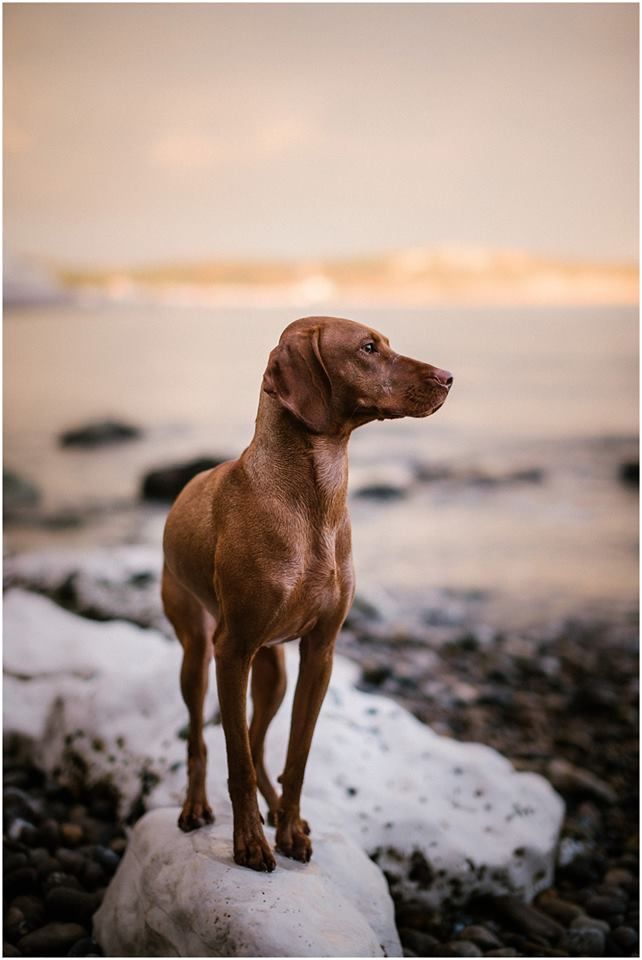
Vizslas have a lean, athletic build with a distinctive golden-rust coat that is short and smooth. Their elegant head features a moderately long muzzle and expressive amber or brown eyes. Their ears are long and silky. They move with a powerful, ground-covering gait.
Temperament
Vizslas are remarkably affectionate dogs that form intense bonds with their owners — called 'Velcro dogs' because they want to be touching their person at all times. Despite their high energy, they are gentle and sensitive.
Personality Around Others
Generally friendly with other dogs and people. They can be reserved initially with strangers but warm up quickly. Good with children, especially active ones. Their gentle nature makes them poor guard dogs.
Exercise Needs
Very high exercise needs — at least 1–2 hours of vigorous activity daily. Running, hiking, swimming, and field work are ideal. Without sufficient exercise, they become destructive and anxious.
Training
Highly trainable and eager to please. Sensitive dogs that respond best to gentle, positive methods. Harsh training can cause them to shut down. They excel in field trials, obedience, agility, and dock diving.
Grooming
Very low maintenance. Weekly brushing and occasional baths. They are naturally clean dogs with minimal odor. Standard nail, ear, and dental care.
Health
Common Health Conditions
Generally healthy with relatively few breed-specific issues. Hip dysplasia and eye conditions are the most common concerns. Their active lifestyle helps maintain fitness.
Recommended Health Tests
- Hip Evaluation
- Ophthalmologist Evaluation
- Thyroid Evaluation
Average Annual Vet Cost
$400–$1,000
Nutrition
Feed a high-quality, high-protein food for active breeds. Vizslas need 2–3 cups daily, adjusted for activity. They have high metabolisms. Divide meals into two portions to prevent bloat.
Living Environment
Not ideal for apartments. Need space to run and play. A house with a large, fenced yard is ideal. They must live indoors with their family — they are not kennel dogs.
Ideal Family
Best for active individuals or families who enjoy outdoor activities. Perfect for runners, hikers, and hunters. Not suitable for sedentary households or those away from home frequently.
Intelligence
Highly intelligent sporting dogs with excellent problem-solving abilities. Quick learners who can master complex commands. Their desire to please makes them versatile in many disciplines.
Barking
Frequency
Alert
Separation
Quiet Indoors
Moderate barkers. They will alert bark and may vocalize when excited or anxious. Generally not nuisance barkers when properly exercised.
Shedding
Year-Round
Seasonal
Vacuum Factor 🧹
Hypoallergenic
Low to moderate shedding. Their short coat releases some hair year-round but is minimal and manageable.
Weather Tolerance
☀️
Heat
❄️
Cold
🌧️
Rain
🌨️
Snow
💧
Humidity
Breed Ratings
Fun Facts
Vizslas are the only breed to have produced a quintuple champion in five AKC disciplines.
They are one of the oldest sporting breeds with ancestors dating back over 1,000 years.
They nearly went extinct during World War II.
Dana Perino, former White House Press Secretary, is a famous Vizsla advocate.
Their name is pronounced 'VEEZH-la.'
Famous Dogs
Chartay
First AKC Triple Champion Vizsla
Jasper
Dana Perino's beloved Vizsla who appeared on Fox News
Common Myths
"Vizslas are hyperactive and can't calm down."
Well-exercised Vizslas are calm, gentle companions at home. They have an off-switch when their needs are met.
"They're too clingy to be good dogs."
Their attachment to owners is a breed feature, not a flaw. It makes them exceptionally responsive companions.
Frequently Asked Questions
Why are Vizslas called Velcro dogs?
They form extremely strong bonds and want physical contact at all times. They follow you room to room and prefer to lean against you or sit on your lap.
Are Vizslas good for first-time owners?
Only for very active first-time owners. Their exercise needs and sensitivity require commitment. If you're active and want a devoted companion, they could be perfect.
Puppy Guide
Vizsla puppies are energetic and mouthy. Start training and socialization early. Protect growing joints from excessive impact. Crate training helps with separation anxiety. Begin recall training early.
Senior Care
Senior Vizslas typically remain active well into their golden years. Watch for joint stiffness. Continue mental stimulation. Their need for companionship never diminishes.
Ownership Costs
Estimated Lifetime Cost
$14,000–$22,000
Pros and Cons
Pros
Extremely affectionate and loyal
Low grooming maintenance
Excellent health record
Highly trainable and versatile
Beautiful, elegant appearance
Cons
Very high exercise requirements
Prone to separation anxiety
Poor cold weather tolerance
Can be too clingy for some owners
Not suited for sedentary lifestyles