
English Cocker Spaniel
Also known as: Cocker Spaniel (English), Merry Cocker
Energy Level
Apartment Friendly
Weight (Male)
28–34 lbs
Height (Male)
16–17 inches
Quick Facts
Coat Colors
Breed Summary
The English Cocker Spaniel is a compact, merry sporting dog bred for flushing and retrieving woodcock. Their joyful disposition, wagging tail, and gentle nature make them wonderful family companions and capable field dogs.
History
Developed in England as a woodcock hunting specialist, the English Cocker was originally grouped with other land spaniels until recognized separately. The breed was refined in the 19th century, diverging from the American Cocker in both form and function.
Appearance
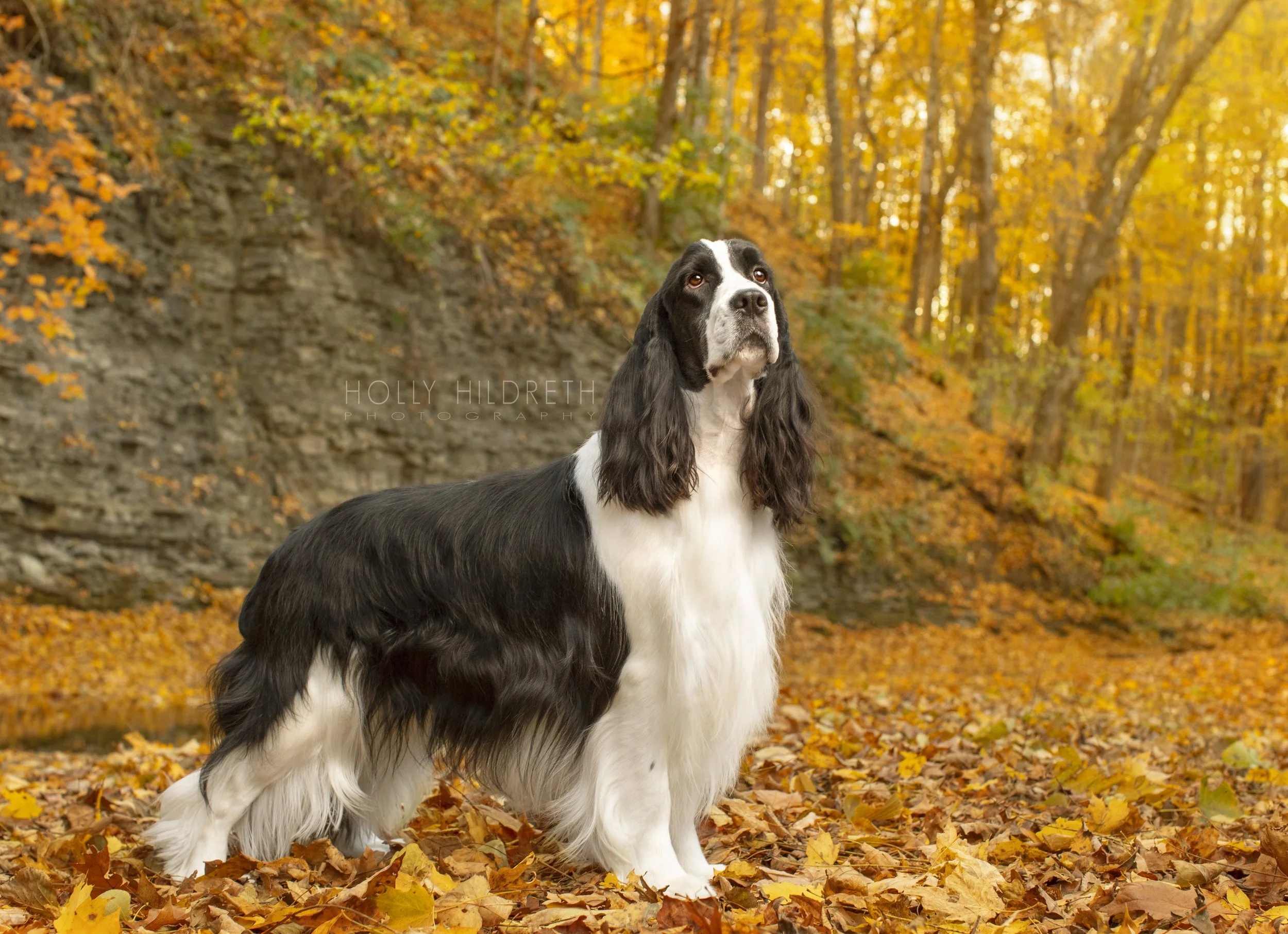
Compact, well-balanced body with a silky, flat or slightly wavy coat and elegant feathering on the ears, chest, belly, and legs. Their soft, intelligent eyes and long, low-set ears give them an endearing expression.
Temperament
Cheerful, affectionate, and endlessly enthusiastic. English Cockers are known as the "merry cocker" for their constantly wagging tail and joyful approach to life.
Personality Around Others
Extremely friendly with everyone — people, children, other dogs, and even cats. They rarely meet a stranger and are among the most sociable of all sporting breeds.
Exercise Needs
Moderate to high exercise needs. About 1 hour of daily activity including walks, play, and off-leash running. They love retrieving and swimming.
Training
Highly trainable with a strong desire to please. Respond well to positive reinforcement. Their sensitivity means harsh methods are counterproductive.
Grooming
Regular grooming needed. Brush 2–3 times weekly to prevent matting of feathered areas. Professional grooming every 6–8 weeks. Regular ear cleaning is essential.
Health
Common Health Conditions
Generally healthy but their long ears predispose them to ear infections. Eye and heart conditions should be screened for. AIHA is a serious breed concern.
Recommended Health Tests
- Hip Evaluation
- PRA-prcd DNA Test
- Ophthalmologist Evaluation
Average Annual Vet Cost
$300–$800
Nutrition
Feed a high-quality food for medium-sized active breeds. About 1.5–2 cups daily divided into two meals. Monitor weight as they love food.
Living Environment
Adaptable to apartments with adequate exercise. A yard is nice but not required. They are happy anywhere as long as they have companionship.
Ideal Family
Excellent for families with children, first-time owners, and multi-pet households. Their gentle, adaptable nature suits many lifestyles.
Intelligence
Highly intelligent and eager to learn. They excel in obedience, agility, and field work. Their quick minds need regular mental stimulation.
Barking
Frequency
Alert
Separation
Quiet Indoors
Moderate barkers. Can become vocal if left alone or under-stimulated. Generally manageable with training and exercise.
Shedding
Year-Round
Seasonal
Vacuum Factor 🧹
Hypoallergenic
Moderate shedding with seasonal increases. Regular brushing helps manage loose hair, especially in feathered areas.
Weather Tolerance
☀️
Heat
❄️
Cold
🌧️
Rain
🌨️
Snow
💧
Humidity
Breed Ratings
Fun Facts
The English Cocker is separate from the American Cocker Spaniel, recognized as distinct breeds.
Their name comes from their specialty hunting woodcock.
English Cockers have won Best in Show at Crufts more than any other breed.
They were once classified simply as "cockers" alongside larger springers in the same litter.
Their tails wag almost constantly, earning them the nickname "merry cocker."
Famous Dogs
Lupo
The Duke and Duchess of Cambridge's beloved English Cocker Spaniel
Obo
Considered the father of the modern English Cocker Spaniel breed
Common Myths
"English and American Cockers are the same breed."
They are distinct breeds with different sizes, head shapes, and temperaments. The English Cocker is taller and more athletically built for field work.
"They are too hyper for families."
With adequate exercise, English Cockers are calm, gentle family dogs. Their energy is joyful, not frantic.
Frequently Asked Questions
What's the difference between English and American Cocker Spaniels?
English Cockers are larger, taller, with longer muzzles and less coat. They retain more hunting instinct and have fewer health issues related to exaggerated features.
Do English Cockers need professional grooming?
Yes, every 6–8 weeks for trimming and shaping. Regular home brushing between sessions prevents matting of their feathered coat.
Adoption Tips
Puppy Guide
English Cocker puppies are energetic and mouthy. Start socialization and training early. Introduce grooming routines young. Channel energy into structured activities.
Senior Care
Senior English Cockers may develop ear, eye, and heart issues. Continue moderate exercise. Maintain grooming routines. Watch for signs of hearing loss.
Ownership Costs
Estimated Lifetime Cost
$14,000–$22,000
Pros and Cons
Pros
Cheerful, merry temperament
Excellent with children and other pets
Highly trainable and versatile
Adaptable to various living situations
Beautiful, elegant appearance
Cons
Regular professional grooming required
Prone to ear infections
Can develop separation anxiety
Moderate to heavy shedding
Some lines prone to rage syndrome