
Weimaraner
Also known as: Gray Ghost, Weim, Silver Ghost
Energy Level
Apartment Friendly
Weight (Male)
70–90 lbs
Height (Male)
25–27 inches
Quick Facts
Coat Colors
Breed Summary
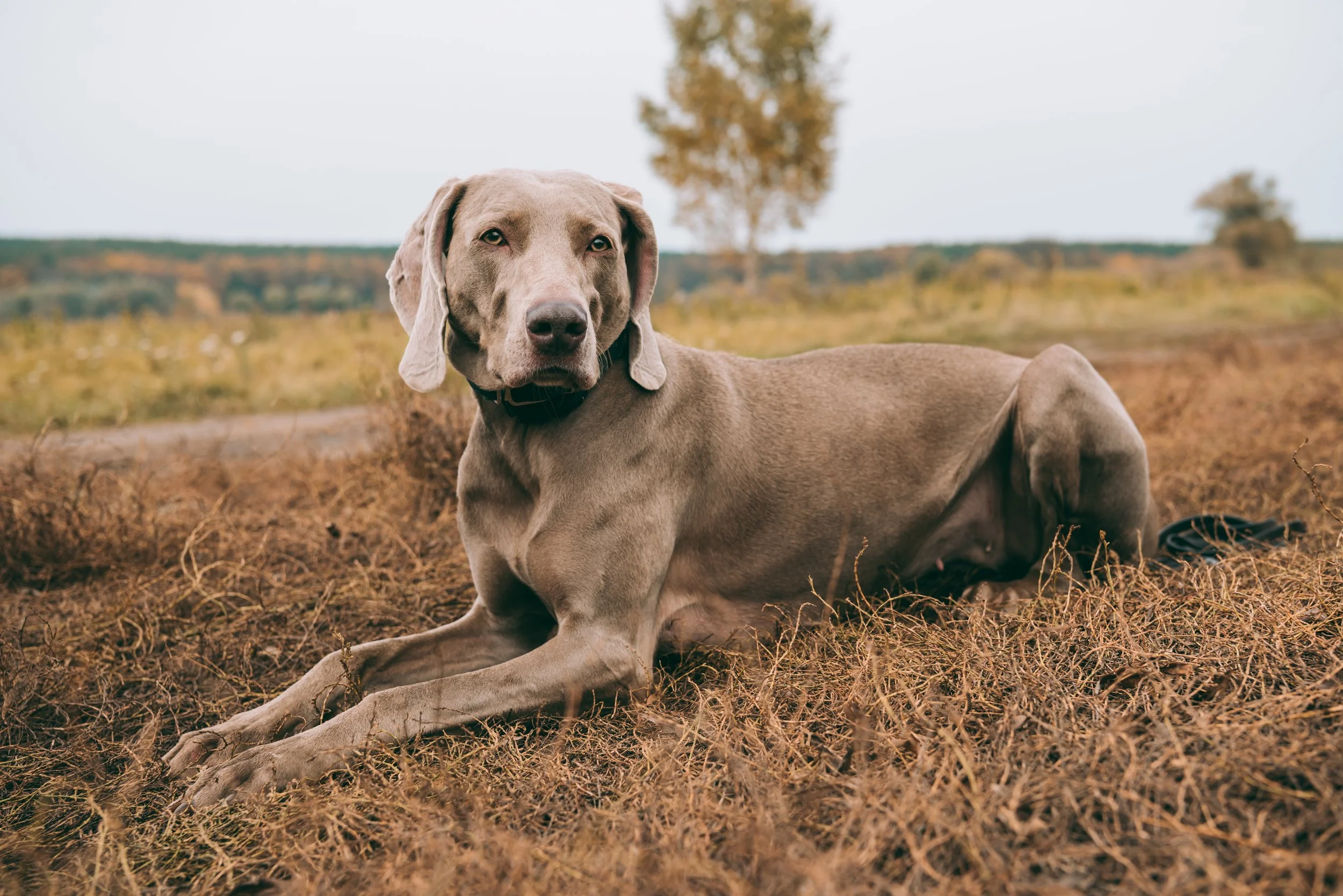
The Weimaraner is a sleek, athletic German hunting dog with a distinctive silver-gray coat and striking amber or blue-gray eyes. Often called the "Gray Ghost," they are intelligent, energetic, and deeply devoted to their owners.
History
Developed in the early 1800s at the court of Weimar, Germany for hunting large game including deer, boar, and bear. As large game hunting declined, they were adapted for upland birds and waterfowl. The breed was kept exclusive by the German nobility.
Appearance
Tall, athletic, and aristocratic with a distinctive silver-gray coat that gleams in the light. Their amber or blue-gray eyes are unique among dog breeds. Sleek, muscular build built for speed and endurance.
Temperament
Brave, alert, and intensely loyal. Weimaraners are often called "velcro dogs" because of their extreme devotion to their owners. They want to be with you always.
Personality Around Others
Deeply attached to their family but can be aloof with strangers. May be dominant with other dogs. Good with children they know. Separation anxiety is a significant breed concern.
Exercise Needs
Extremely high exercise needs — at least 1.5–2 hours of vigorous daily activity. Running, hiking, and hunting are ideal. A bored Weimaraner is destructive.
Training
Intelligent and trainable but can be headstrong. Need firm, consistent, experienced handling. They test boundaries and need a confident leader.
Grooming
Minimal grooming. Weekly brushing of their short coat. They are very clean dogs with virtually no doggy odor. Regular nail trims.
Health
Common Health Conditions
Generally healthy but bloat is a serious concern. Growth disorders can affect puppies. Spinal dysraphism is a breed-specific concern.
Recommended Health Tests
- Hip Evaluation
- Ophthalmologist Evaluation
- Thyroid Evaluation
Average Annual Vet Cost
$400–$1,000
Nutrition
High-quality food for large active breeds. About 2.5–3.5 cups daily in two meals. Use slow feeders for bloat prevention.
Living Environment
Need a house with a large yard. Absolutely not apartment dogs. They need space to run and cannot be left alone for long periods.
Ideal Family
Best for experienced, very active owners who are home frequently. Not for first-time owners or homes where the dog will be alone often.
Intelligence
Highly intelligent and resourceful. They learn quickly and can be creative problem-solvers — including escaping yards and opening doors.
Barking
Frequency
Alert
Separation
Quiet Indoors
Moderate to high barkers. They bark to alert and can become very vocal when anxious or left alone. Separation anxiety drives much of their barking.
Shedding
Year-Round
Seasonal
Vacuum Factor 🧹
Hypoallergenic
Light to moderate shedding. Their short, sleek coat is easy to maintain. Gray hairs show less on furniture than darker colors.
Weather Tolerance
☀️
Heat
❄️
Cold
🌧️
Rain
🌨️
Snow
💧
Humidity
Breed Ratings
Fun Facts
Weimaraners are called "Gray Ghosts" for their stealth and silver-gray color.
Artist William Wegman made Weimaraners famous through his photography.
They were originally bred to hunt large game like boar, deer, and even bears.
The breed was kept so exclusive in Germany that outsiders couldn't easily obtain one.
Weimaraners can jump over 6-foot fences from a standing position.
Famous Dogs
Man Ray
William Wegman's famous Weimaraner photography subject
Fay Ray
Another of Wegman's iconic Weimaraner models
Heidi
President Eisenhower's Weimaraner at the White House
Common Myths
"Weimaraners are easy, low-maintenance dogs."
They are one of the most demanding breeds, requiring extensive exercise, training, and companionship. Their beauty can be deceiving.
"Their gray color is unusual and unhealthy."
The silver-gray coat is the breed's natural and intended color, produced by a dilution gene. It has no health implications.
Frequently Asked Questions
Why are Weimaraners called Gray Ghosts?
The nickname comes from their distinctive silver-gray coat, their stealth in the field, and the way they seem to silently shadow their owners everywhere.
Do they really have separation anxiety?
Yes, separation anxiety is very common in the breed. They form extremely strong bonds and can become destructive when left alone. This is a serious consideration for potential owners.
Puppy Guide
Weimaraner puppies are extremely energetic and destructive. Start crate training and exercise routines early. Begin addressing separation anxiety prevention immediately.
Senior Care
Senior Weimaraners may develop joint issues and slow down somewhat. Continue regular exercise. Address any worsening anxiety. Maintain close companionship.
Ownership Costs
Estimated Lifetime Cost
$15,000–$24,000
Pros and Cons
Pros
Stunningly beautiful appearance
Deeply loyal and devoted
Low grooming needs
Athletic and versatile
Excellent watchdog
Cons
Severe separation anxiety
Extremely high exercise needs
Not for novice owners
Can be destructive when bored
May be dominant with other dogs