
Tibetan Mastiff
Also known as: Do-Khyi, Tibetan Dog
Energy Level
Apartment Friendly
Weight (Male)
90-150 lbs
Height (Male)
26+ inches
Quick Facts
Coat Colors
Breed Summary
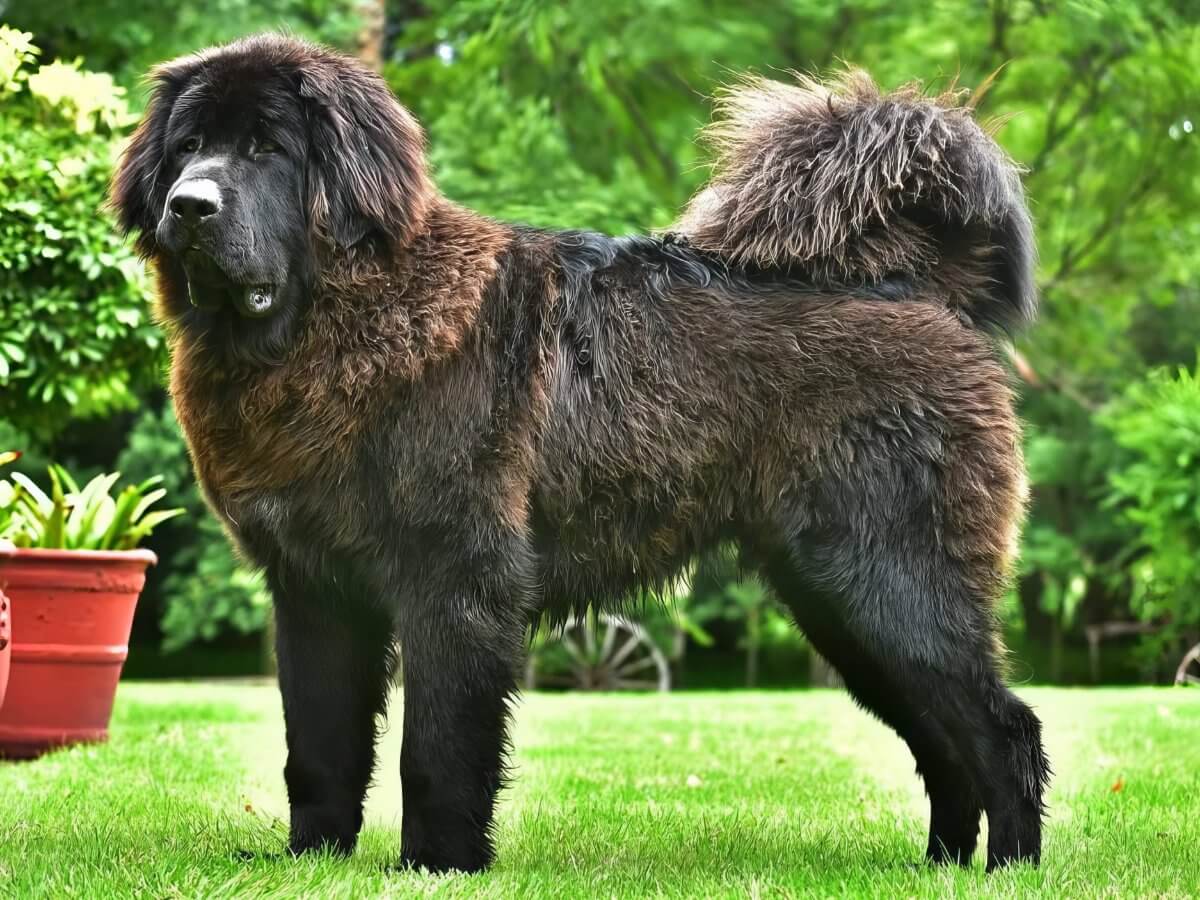
The Tibetan Mastiff is an ancient, imposing guardian breed from the Himalayan mountains. With their lion-like mane and powerful build, they are fiercely independent, protective, and deeply devoted to their families.
History
One of the oldest and most primitive breeds, guarding Tibetan monasteries and nomadic camps for thousands of years. Marco Polo described them as "tall as donkeys." They are the foundation for many modern mastiff breeds. AKC recognized in 2006.
Appearance
A large, powerful, heavy-boned dog with a thick, lion-like mane around the neck. Dense double coat, broad head, and a dignified, watchful expression. Their build conveys strength and endurance.
Temperament
Highly independent, intelligent, and protective, the Tibetan Mastiff is a guardian to the core. They are devoted to their family but make their own decisions about threats. They are not eager to please—they are thinking dogs that assess every situation.
Personality Around Others
Devoted to family but highly suspicious of strangers. Can be aggressive toward unfamiliar dogs and people. Good with family children they are raised with. Nocturnal guardians.
Exercise Needs
Moderate exercise—daily walks and patrol time. Not high-energy but need space. Most active at dawn and dusk. They are nocturnal by nature.
Training
Extremely difficult to train. The most independent of all breeds. They decide whether commands are reasonable before obeying. Positive methods with an experienced handler are essential.
Grooming
Heavy grooming—regular brushing, especially during annual coat blow. Their thick coat should not be shaved. Regular nail, ear, and dental care.
Health
Common Health Conditions
Generally healthy and hardy. Their primitive genetics contribute to their robustness. Regular health screening recommended.
Recommended Health Tests
- Hip Evaluation
- Thyroid Evaluation
- Ophthalmologist Evaluation
Average Annual Vet Cost
$1,000-$1,800
Nutrition
Quality food. Not heavy eaters for their size. Two meals daily. They are efficient metabolizers.
Living Environment
Need a large, securely fenced property. Absolutely not apartment dogs. Best in cooler climates. Strong fencing is essential—they are powerful. Nocturnal barking is expected.
Ideal Family
Only for the most experienced dog owners. Those with large properties. Not for first-time owners, apartment dwellers, or those wanting a biddable companion.
Intelligence
Extremely intelligent but channel it toward independent decision-making. They assess situations independently. Among the most primitive and independent-minded breeds.
Barking
Frequency
Alert
Separation
Quiet Indoors
Notorious nocturnal barkers—this is a deep-rooted breed trait. Their booming bark carries for long distances. This cannot be fully trained out.
Shedding
Year-Round
Seasonal
Vacuum Factor 🧹
Hypoallergenic
Heavy seasonal shedding. Their annual coat blow is massive. Daily brushing during this period.
Weather Tolerance
☀️
Heat
❄️
Cold
🌧️
Rain
🌨️
Snow
💧
Humidity
Breed Ratings
Fun Facts
A Tibetan Mastiff puppy sold for $1.95 million in China in 2014
Marco Polo described them as being "as tall as donkeys"
They have an annual estrus cycle—females come into heat only once a year
They are considered the ancestor of many modern mastiff and mountain dog breeds
Famous Dogs
Million Dollar Dogs
Tibetan Mastiffs have sold for millions of dollars in China, making them the most expensive dogs ever sold
Common Myths
"They are good pets for anyone who can afford them"
They are extremely challenging dogs suitable only for the most experienced owners with appropriate properties
"They are just large, fluffy dogs"
They are serious working guardians with strong protective instincts and extreme independence
Frequently Asked Questions
Can Tibetan Mastiffs be kept as house pets?
Possible but extremely challenging. They need experienced owners, large properties, and acceptance of nocturnal barking and extreme independence.
How independent are they?
The most independent of any dog breed. They make their own decisions and may choose to ignore commands they deem unnecessary.
Puppy Guide
Puppies need extensive socialization before 12 weeks—critical period. Establish boundaries early. They mature slowly. Expect independence from day one.
Senior Care
Senior TMs may develop joint issues. Continue moderate exercise. Their guardian instinct remains strong. They age with dignity.
Ownership Costs
Estimated Lifetime Cost
$18,000-$28,000
Pros and Cons
Pros
Supreme guardian ability
Impressive, majestic appearance
Healthy and hardy
Deeply devoted to family
Cons
Most independent breed—virtually untrainable
Nocturnal barking
Can be aggressive with strangers
Needs huge property