
Anatolian Shepherd Dog
Also known as: Kangal, Karabash, Coban Kopegi
Energy Level
Apartment Friendly
Weight (Male)
110-150 lbs
Height (Male)
29 inches
Quick Facts
Coat Colors
Breed Summary
The Anatolian Shepherd Dog is a large, powerful guardian breed from Turkey, bred for thousands of years to protect livestock from predators. Independent, loyal, and territorial, they are formidable guardians with a calm, steady temperament.
History
An ancient breed from the Anatolian region of Turkey, where they have guarded livestock against wolves, bears, and jackals for 6,000+ years. They work independently, making decisions without human direction. AKC recognized in 1996.
Appearance
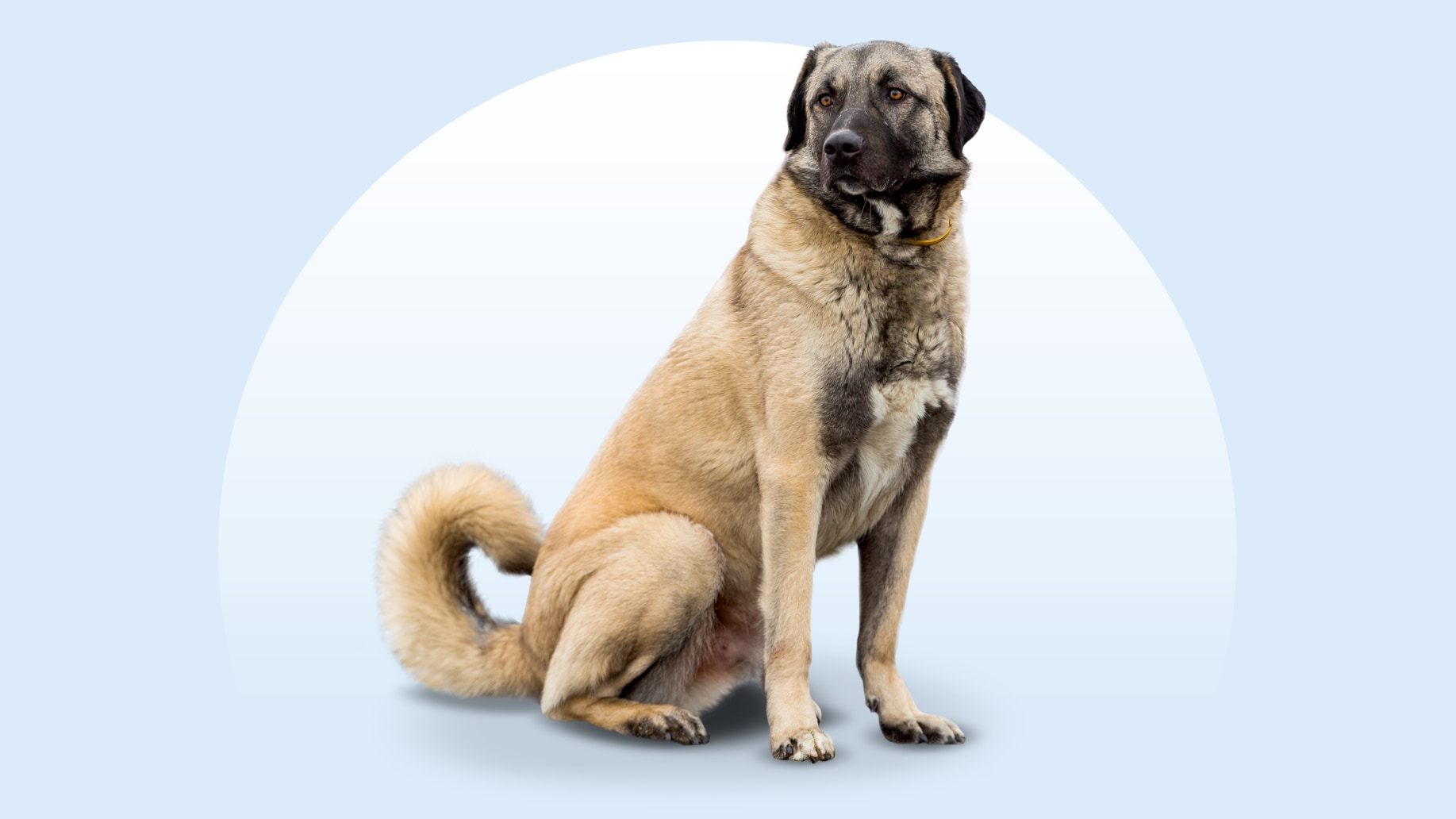
A very large, muscular dog with a broad head and thick neck. Short to medium coat with a distinctive black mask. Their powerful build conveys strength and endurance.
Temperament
Independent, intelligent, and fiercely protective, the Anatolian Shepherd is a guardian through and through. They are loyal to their family but reserved and suspicious with strangers. They think independently and make their own decisions.
Personality Around Others
Deeply devoted to family but suspicious of all strangers. Very protective and territorial. Can be aggressive toward unfamiliar dogs. Not suitable for homes with frequent visitors.
Exercise Needs
Moderate exercise needs—they are not high-energy but need space to patrol. Daily walks and a large, fenced property are ideal. They are most content when they have a job to do.
Training
Extremely challenging to train due to their independence. They were bred to think for themselves. They need a confident, experienced handler. Not for first-time owners.
Grooming
Moderate grooming—weekly brushing, more during shedding seasons. Their dense coat provides weather protection. Regular nail, ear, and dental care.
Health
Common Health Conditions
A generally healthy, hardy breed. Their working heritage has kept them robust. Hip screening and bloat awareness are important.
Recommended Health Tests
- Hip Evaluation
- Elbow Evaluation
Average Annual Vet Cost
$1,000-$1,800
Nutrition
Large dogs needing quality food but not excessive amounts. Two meals daily to prevent bloat. They are efficient eaters and not prone to obesity when active.
Living Environment
Need a large property with secure fencing. Not suited for apartments, suburbs, or homes without yards. Ideal on farms or rural properties. Fencing must be strong—they are powerful dogs.
Ideal Family
Only for experienced dog owners with large properties. Best as working livestock guardians. Families with older children who understand the breed. Not suitable for casual pet ownership.
Intelligence
Extremely intelligent with strong independent decision-making abilities. They assess threats and respond accordingly without direction. This independence makes training challenging.
Barking
Frequency
Alert
Separation
Quiet Indoors
They bark to warn and deter threats. Nighttime barking at perceived dangers is common. Their deep, authoritative bark carries for long distances.
Shedding
Year-Round
Seasonal
Vacuum Factor 🧹
Hypoallergenic
Moderate shedding year-round with heavy seasonal blows. Regular brushing manages the coat effectively.
Weather Tolerance
☀️
Heat
❄️
Cold
🌧️
Rain
🌨️
Snow
💧
Humidity
Breed Ratings
Fun Facts
Anatolian Shepherds have been used to protect endangered cheetahs in Africa
They can detect predators from over a mile away
The breed has been guarding livestock in Turkey for over 6,000 years
They are powerful enough to deter wolves and bears
Famous Dogs
Cheetah Guardian Dogs
Anatolian Shepherds are used in Africa to protect livestock from cheetahs, helping conserve both species
Common Myths
"They are aggressive dogs"
They are protective guardians, not aggressive by nature. They assess threats carefully before responding
"They make good house pets"
They are working guardian dogs best suited for rural properties with livestock to protect
Frequently Asked Questions
Are Anatolian Shepherds good family dogs?
For experienced owners with large properties, yes. They are loyal and protective but need extensive socialization and training.
Can they live with other animals?
Yes, when raised with livestock or other animals, they are excellent protectors. Dog-to-dog interactions need careful management.
Puppy Guide
Puppies need extensive early socialization—critical period is before 12 weeks. Start training early. Establish boundaries firmly. They mature slowly, reaching full maturity around age 3-4.
Senior Care
Senior Anatolians may develop joint issues. Maintain moderate activity. Their guardian instinct remains strong. Provide supportive bedding for their large frame.
Ownership Costs
Estimated Lifetime Cost
$18,000-$28,000
Pros and Cons
Pros
Exceptional livestock guardian
Loyal and devoted
Independent and self-sufficient
Generally healthy and hardy
Cons
Not suited for urban/suburban living
Very independent and difficult to train
Suspicious of strangers
Can be dog-aggressive