
Great Pyrenees
Also known as: Pyrenean Mountain Dog, Patou
Energy Level
Apartment Friendly
Weight (Male)
100+ lbs
Height (Male)
27-32 inches
Quick Facts
Coat Colors
Breed Summary
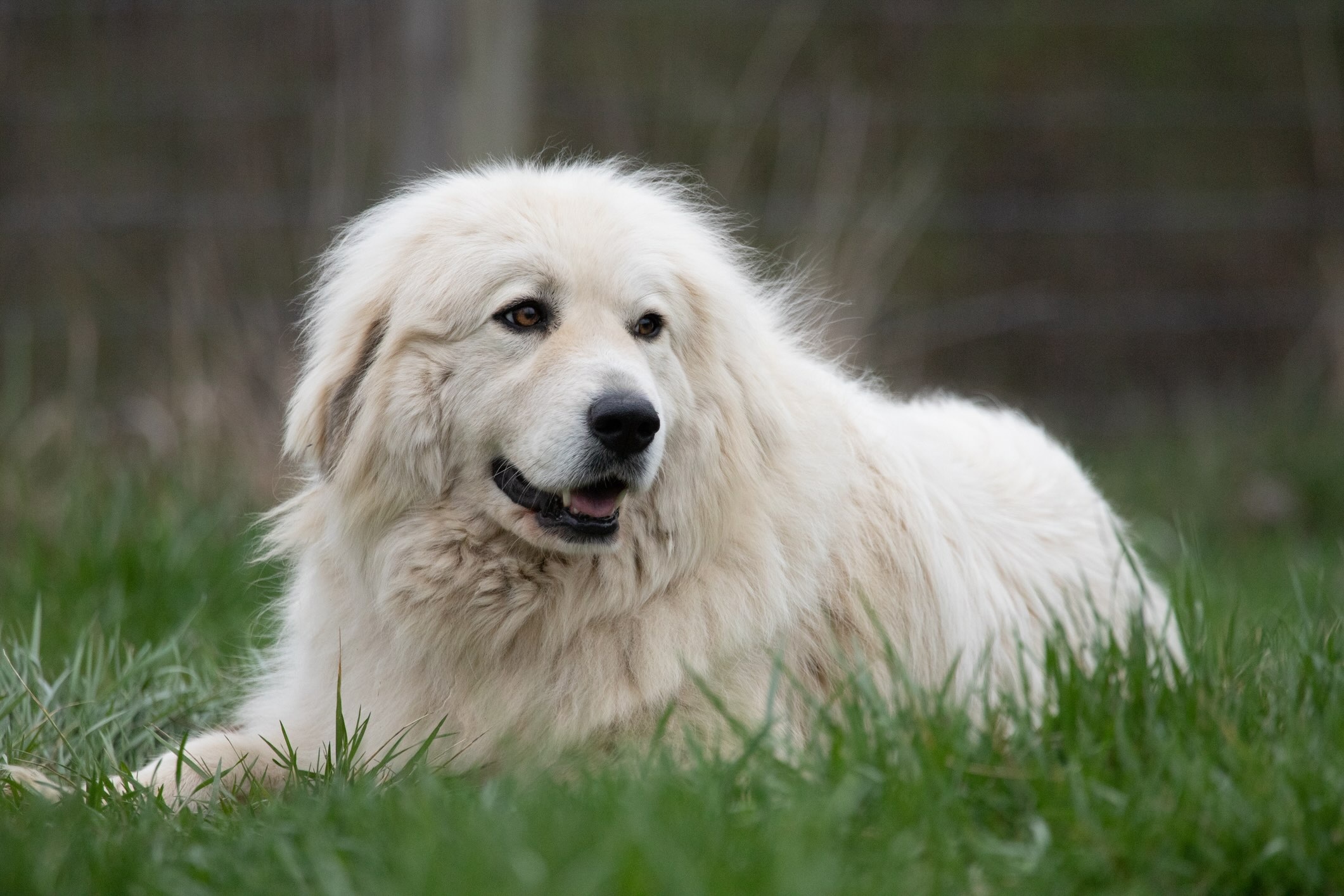
The Great Pyrenees is a majestic, calm guardian breed originally used to protect sheep in the Pyrenees Mountains. Patient and gentle with their family, they are devoted protectors with a noble, zen-like temperament.
History
Ancient breed used for centuries by Basque shepherds in the Pyrenees Mountains to guard flocks against wolves and bears. Named the Royal Dog of France by Louis XIV. AKC recognized in 1933.
Appearance
A large, elegant white dog with a thick double coat, plumed tail, and a calm, regal expression. Powerful build with surprising agility. Their white coat helped shepherds distinguish them from predators at night.
Temperament
Calm, patient, and zen-like, the Great Pyrenees is independent and confident. They are gentle with family but vigilant guardians. Their nocturnal barking is a breed trait from centuries of nighttime guard duty.
Personality Around Others
Gentle and patient with family, especially children. Protective and territorial. Can be reserved with strangers. Generally good with other animals they are raised with. Independent decision-makers.
Exercise Needs
Moderate exercise—daily walks and patrol time. Not high-energy but need space. They are most active at dawn and dusk. Avoid over-exercising in heat.
Training
Independent and can be stubborn. They were bred to think for themselves. Positive reinforcement with patience. Not naturally obedient—they assess whether commands are reasonable.
Grooming
Heavy shedding requires regular brushing. Their white coat stays surprisingly clean due to a dirt-resistant texture. Regular nail, ear, and dental care. Their coat should never be shaved.
Health
Common Health Conditions
Generally healthy but prone to joint issues common in large breeds. Bloat awareness is important. Regular health screening recommended.
Recommended Health Tests
- Hip Evaluation
- Patella Evaluation
- Ophthalmologist Evaluation
Average Annual Vet Cost
$1,000-$1,800
Nutrition
Quality large-breed food. Two meals to prevent bloat. They are not heavy eaters for their size. Monitor weight.
Living Environment
Need a large, securely fenced property. Not apartment dogs. Best in cooler climates. They roam and patrol—fencing must be escape-proof. Nighttime barking is a breed characteristic.
Ideal Family
Best for experienced owners with large properties. Families with children—they are gentle guardians. Not for neat freaks or apartment dwellers. Those who appreciate independent dogs.
Intelligence
Intelligent but independent. They make decisions based on their own judgment rather than commands. Excellent at assessing threats.
Barking
Frequency
Alert
Separation
Quiet Indoors
Notorious nocturnal barkers—this is a breed trait from centuries of nighttime guarding. Deep, authoritative bark. Training can help but won't eliminate it.
Shedding
Year-Round
Seasonal
Vacuum Factor 🧹
Hypoallergenic
Very heavy shedders with massive seasonal coat blows. Daily brushing during shedding season. Their white hair gets everywhere.
Weather Tolerance
☀️
Heat
❄️
Cold
🌧️
Rain
🌨️
Snow
💧
Humidity
Breed Ratings
Fun Facts
Louis XIV declared the Great Pyrenees the Royal Dog of France
Their white coat helped shepherds distinguish them from wolves at night
They have double dewclaws on their rear feet—a breed requirement
Pyrs can hear a predator approaching from a mile away
Famous Dogs
Louis XIV's Pyrenees
King Louis XIV kept Great Pyrenees at Versailles as guard dogs
Common Myths
"They are lazy dogs"
They conserve energy for guarding duties and are most active at dawn, dusk, and night
"They can't be trained"
They can learn, but they independently decide whether to obey based on their assessment of the situation
Frequently Asked Questions
Do Great Pyrenees bark a lot?
Yes, especially at night. This is a deeply ingrained breed trait from centuries of nighttime guarding and cannot be fully eliminated.
Can they live in warm climates?
They struggle in heat. If in warm areas, provide air conditioning and limit outdoor time in summer.
Puppy Guide
Puppies are adorable but grow fast. Start training early. Socialize extensively. They mature slowly—full maturity around age 2-3.
Senior Care
Senior Pyrs may develop joint issues. Provide supportive bedding. Moderate, gentle exercise. Their calm nature makes them comfortable seniors.
Ownership Costs
Estimated Lifetime Cost
$17,000-$26,000
Pros and Cons
Pros
Gentle, patient guardian
Excellent with children
Majestic appearance
Good with other animals
Cons
Heavy shedding
Nocturnal barking
Independent and stubborn
Not suited for warm climates