
Bernese Mountain Dog
Also known as: Berner, Berner Sennenhund, BMD
Energy Level
Apartment Friendly
Weight (Male)
80–115 lbs
Height (Male)
25–27.5 inches
Quick Facts
Coat Colors
Breed Summary
The Bernese Mountain Dog is a strikingly beautiful, gentle giant from the Swiss Alps. Known for their distinctive tricolor coat, calm demeanor, and unwavering loyalty, Berners are versatile working dogs that excel as family companions. Their sweet, patient nature makes them beloved by everyone they meet, though their tragically short lifespan is the breed's greatest heartbreak.
History
Developed in the Swiss canton of Bern as an all-purpose farm dog. Berners pulled carts of milk and cheese, guarded livestock, and served as companions to alpine farmers. The breed nearly disappeared in the late 1800s but was saved by Professor Albert Heim and dedicated Swiss breeders. They were first imported to the United States in 1926 and recognized by the AKC in 1937.
Appearance
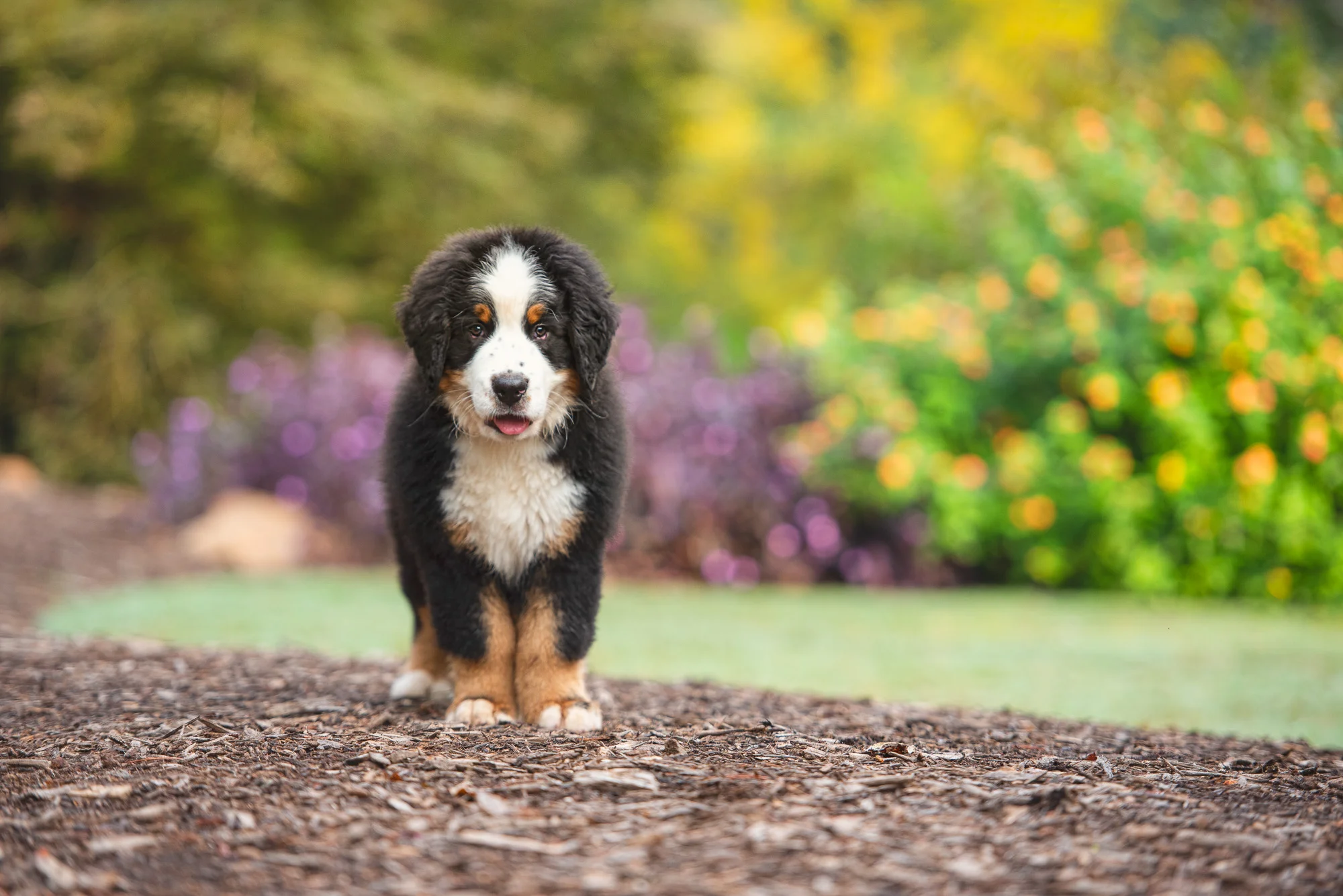
Berners have a sturdy, well-balanced body covered in a gorgeous long, silky tricolor coat. Their distinctive markings include a jet-black base, white chest marking (the 'Swiss cross'), rust-colored accents above the eyes, on the cheeks, and on the legs. Their gentle expression features dark, intelligent eyes and medium-length floppy ears. The tail is bushy and carried low.
Temperament
Berners are gentle, calm, and affectionate dogs with a sweet, easygoing temperament. They are devoted to their families and want nothing more than to be near their people. They are patient and tolerant, making them excellent with children. Despite their large size, they are not hyperactive and have a calm indoor presence.
Personality Around Others
Berners are friendly with almost everyone. They are excellent with children of all ages — patient and gentle despite their size. They typically get along well with other dogs and pets. They may be slightly reserved with strangers initially but warm up quickly. They lack strong protective or aggressive instincts.
Exercise Needs
Moderate exercise needs. Daily walks of 30–60 minutes plus play time. They enjoy hiking in cool weather but overheat easily. They should not do strenuous exercise during their first 18 months to protect growing joints. Mental stimulation through training and interactive play is important.
Training
Moderately trainable with a willing, eager-to-please attitude. They respond best to gentle, positive methods. They are sensitive to harsh correction. Training should begin early as they grow large quickly. They can be slow to mature mentally but are generally cooperative.
Grooming
High grooming needs. Their long, silky coat requires thorough brushing 2–3 times weekly, increasing to daily during heavy shedding. They shed heavily year-round with massive seasonal coat blowing. Professional grooming every 6–8 weeks is helpful. Regular ear cleaning and dental care.
Health
Common Health Conditions
The Bernese Mountain Dog's greatest health concern is cancer, particularly histiocytic sarcoma, which affects the breed at alarming rates. This, combined with other health issues, gives them one of the shortest lifespans of any breed. Responsible breeding and health testing are critical.
Recommended Health Tests
- Hip Evaluation
- Elbow Evaluation
- Ophthalmologist Evaluation
- Von Willebrand's DNA Test
- Cardiac Exam
Average Annual Vet Cost
$800–$2,000
Nutrition
Feed a high-quality large-breed formula. Berners need 3–5 cups daily divided into two meals. Large-breed puppy food is essential for controlled growth. Feed from raised bowls to reduce bloat risk. Monitor weight to reduce joint stress.
Living Environment
Need a house with a yard. Not ideal for apartments due to their size and shedding. They THRIVE in cool climates and struggle in heat. Air conditioning is essential in warm regions. They should live indoors with their family.
Ideal Family
Best for families who can handle a large, shedding dog. Excellent with children of all ages. Not ideal for hot climates. Owners must be prepared for a potentially short lifespan and associated emotional toll.
Intelligence
Berners are moderately intelligent with excellent emotional sensitivity. They are attuned to their owners' feelings and make wonderful therapy dogs. They learn well with gentle, patient training.
Barking
Frequency
Alert
Separation
Quiet Indoors
Generally quiet dogs. They alert bark with a deep voice but are not nuisance barkers. They are calm and well-mannered indoors.
Shedding
Year-Round
Seasonal
Vacuum Factor 🧹
Hypoallergenic
Very heavy shedders year-round with massive seasonal coat blowing. Their long, dark hair shows up on everything. Daily brushing during shedding season is essential.
Weather Tolerance
☀️
Heat
❄️
Cold
🌧️
Rain
🌨️
Snow
💧
Humidity
Breed Ratings
Fun Facts
Berners were used to pull carts of milk and cheese to market in Switzerland.
Their lifespan is one of the shortest of any breed, averaging only 7–10 years.
The Swiss cross-shaped white chest marking is a breed hallmark.
Despite their size, they are known as one of the gentlest dog breeds.
They are one of four Swiss mountain dog breeds (Sennenhund).
Famous Dogs
Ohso
Famous Berner who appeared in many television commercials
Argus
Known as one of the top therapy Bernese Mountain Dogs
Common Myths
"Berners are outdoor-only dogs."
While they love cool weather, Berners are family-oriented dogs that need to live indoors. They are most content when they're with their people, not banished to the yard.
"All Berners die young from cancer."
While cancer rates are high, not all Berners develop cancer. Responsible breeding is improving longevity. Many Berners live happy lives of 8–10+ years.
Frequently Asked Questions
Why do Bernese Mountain Dogs have such short lifespans?
The breed has a very high rate of cancer, particularly histiocytic sarcoma. This, combined with other large-breed health issues, limits their lifespan to 7–10 years on average.
Can Berners live in warm climates?
They can survive but don't thrive in heat. Their thick coat makes them prone to overheating. Air conditioning is essential, and exercise should be limited to cooler parts of the day.
Adoption Tips
Berners are available through breed-specific rescues. Many are surrendered due to size, shedding, or health costs. Be prepared for potential health challenges and the emotional toll of a shorter lifespan.
Puppy Guide
Berner puppies grow rapidly. Feed large-breed puppy food for controlled growth. Limit high-impact exercise during growth (first 18 months). Socialize gently and extensively. Begin grooming routines early.
Senior Care
Senior Berners may develop cancer, joint problems, and mobility issues. Provide orthopedic bedding and gentle exercise. Regular vet visits for cancer screening. Make their remaining time as comfortable and love-filled as possible.
Similar Breeds
Ownership Costs
Estimated Lifetime Cost
$18,000–$30,000
Pros and Cons
Pros
Incredibly gentle and patient
Excellent with children
Beautiful, striking appearance
Calm indoor demeanor
Loyal and devoted
Cons
Very short lifespan (7–10 years)
High cancer rates
Massive shedding
Not suited for hot climates
Expensive to feed and care for