
Standard Schnauzer
Also known as: Mittelschnauzer
Energy Level
Apartment Friendly
Weight (Male)
35-50 lbs
Height (Male)
18.5-19.5 inches
Quick Facts
Coat Colors
Breed Summary
The Standard Schnauzer is the original Schnauzer—a spirited, intelligent German breed that combines versatility with a bold, reliable temperament. With their distinctive beard and eyebrows, they are handsome, capable working dogs and devoted family companions.
History
The oldest of the three Schnauzer breeds, dating back to at least the 15th century in Germany. Originally farm dogs used for ratting, guarding, and herding. AKC recognized in 1904.
Appearance
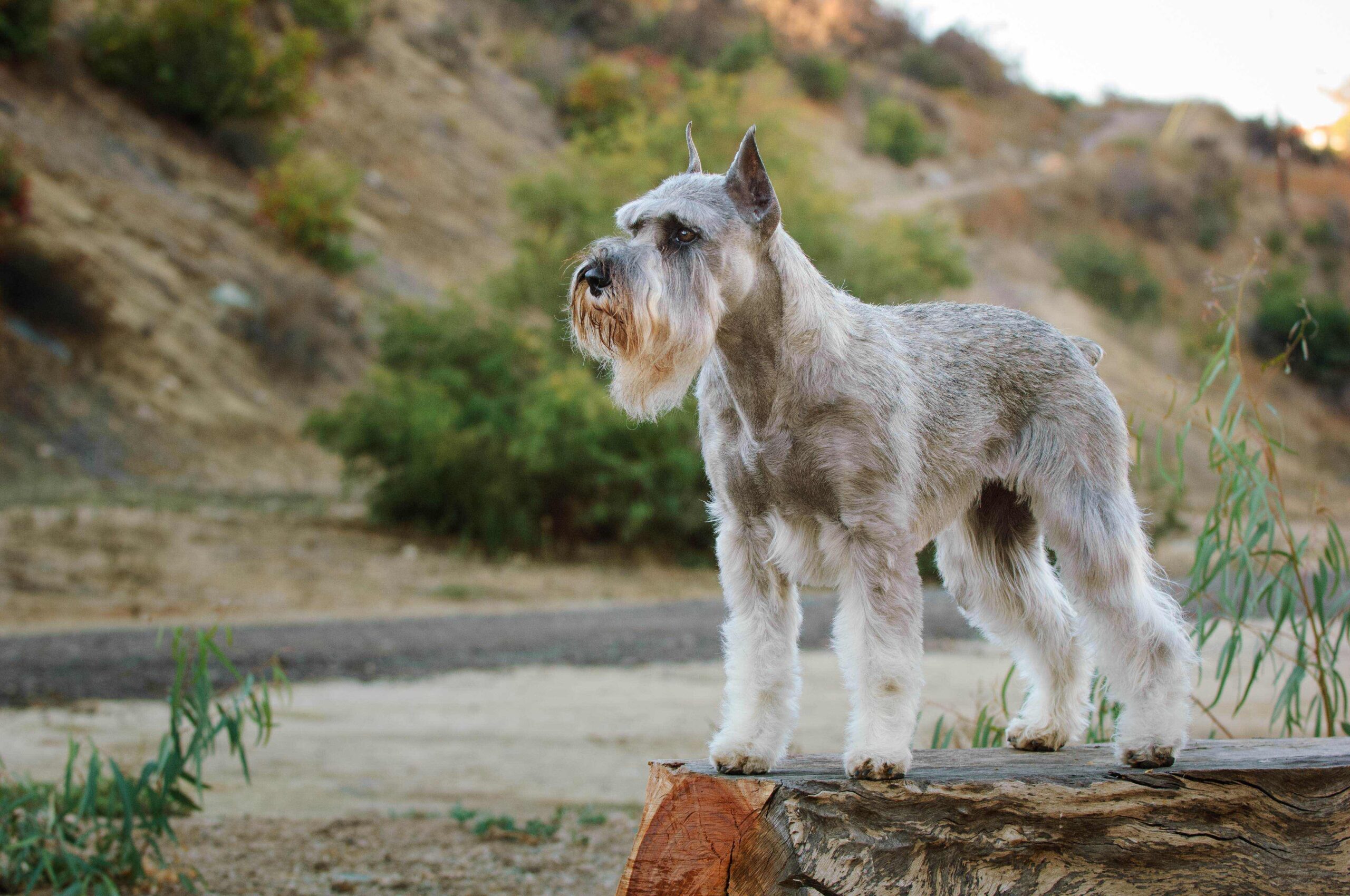
A sturdy, square-built dog with the characteristic Schnauzer beard, bushy eyebrows, and wiry coat. Alert expression with dark, oval eyes. Athletic and well-proportioned.
Temperament
Bold, intelligent, and spirited, the Standard Schnauzer is a versatile, reliable companion. They are devoted to their families and excellent watchdogs. Their intelligence and energy make them both entertaining and demanding.
Personality Around Others
Loyal to family and can be reserved with strangers. Good with children. Can be dominant with other dogs. Alert and protective without being aggressive.
Exercise Needs
High exercise needs—at least an hour of vigorous daily activity. They excel at various dog sports. Mental stimulation is equally important. Without outlets, they become destructive.
Training
Highly trainable and eager to work. They are intelligent and responsive to positive reinforcement. They need firm, consistent handling. Excel at obedience, agility, and tracking.
Grooming
Regular brushing and professional grooming every 6-8 weeks. Hand-stripping or clipping. Beard needs daily cleaning. Their coat is low-shedding when properly maintained.
Health
Common Health Conditions
Generally healthy with excellent longevity. Regular eye screening recommended. One of the healthier medium-sized breeds.
Recommended Health Tests
- Hip Evaluation
- Ophthalmologist Evaluation
Average Annual Vet Cost
$700-$1,300
Nutrition
Active dogs needing quality food. Two meals daily. They can be food-motivated. Monitor weight.
Living Environment
Adaptable to various settings including apartments with adequate exercise. They are active but manageable. A yard is helpful.
Ideal Family
Active families wanting an intelligent, versatile companion. Those who enjoy training and dog sports. Good for experienced owners.
Intelligence
Extremely intelligent—among the smartest breeds. Quick learners. They enjoy mental challenges and problem-solving.
Barking
Frequency
Alert
Separation
Quiet Indoors
Excellent alert barkers. They will notify you of any unusual activity. Can be managed with training.
Shedding
Year-Round
Seasonal
Vacuum Factor 🧹
Hypoallergenic
Low shedding when properly groomed. Their wiry coat traps dead hair. Regular grooming prevents loose hair.
Weather Tolerance
☀️
Heat
❄️
Cold
🌧️
Rain
🌨️
Snow
💧
Humidity
Breed Ratings
Fun Facts
Standard Schnauzers are the original Schnauzer breed—both Mini and Giant were developed from them
Albrecht Dürer depicted Schnauzers in his paintings in the 1400s
They served as dispatch carriers and guard dogs in World War I
Their name comes from the German word "Schnauze" meaning snout or muzzle
Famous Dogs
Dürer's Schnauzer
The Standard Schnauzer appeared in paintings by German artist Albrecht Dürer in the 15th century
Common Myths
"They are just medium-sized Miniature Schnauzers"
Standard Schnauzers are the ORIGINAL breed—Minis were bred down from them
"They are terriers"
Despite often being classified with terriers, they are a working breed with a different heritage
Frequently Asked Questions
Are Standard Schnauzers good family dogs?
Excellent family dogs—loyal, protective, and great with children. They need active families.
How are they different from Miniature Schnauzers?
Larger (35-50 lbs vs 11-20 lbs), more athletic, higher energy, and more protective.
Puppy Guide
Spirited puppies that need early socialization and training. Quick learners. Provide plenty of mental and physical stimulation.
Senior Care
Senior Standards remain active and alert. Their excellent longevity means many enjoy active lives into their mid-teens. Regular eye checkups.
Ownership Costs
Estimated Lifetime Cost
$15,000-$22,000
Pros and Cons
Pros
Highly intelligent and trainable
Excellent watchdog
Low shedding
Great longevity
Cons
High exercise and grooming needs
Can be stubborn
Reserved with strangers
Needs experienced owner