
Miniature Schnauzer
Also known as: Mini Schnauzer, Zwergschnauzer
Energy Level
Apartment Friendly
Weight (Male)
11–20 lbs
Height (Male)
12–14 inches
Quick Facts
Coat Colors
Breed Summary
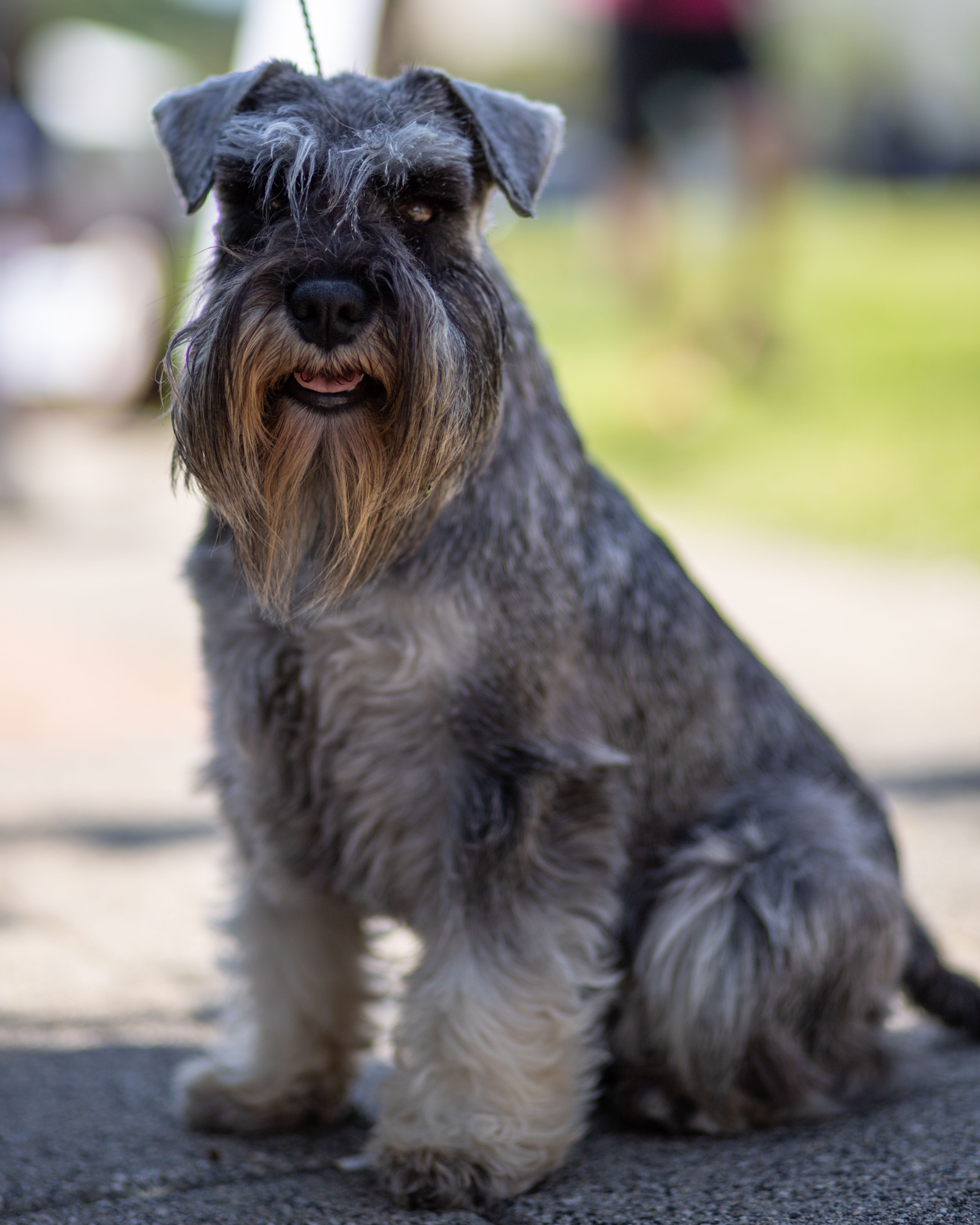
The Miniature Schnauzer is a spirited, intelligent terrier known for its distinctive bearded face and eyebrows. The most popular of the three Schnauzer sizes, they combine the alertness and spirit of a terrier with the companionship of a family dog. They are adaptable, trainable, and make excellent watchdogs despite their small size.
History
Developed in Germany in the late 19th century by crossing Standard Schnauzers with smaller breeds like the Affenpinscher and Poodle. They were originally bred as ratters and farm dogs. Unlike most terriers, they are classified in the Terrier group by the AKC but in the Utility group by other kennel clubs. They have been popular companion dogs since the early 20th century.
Appearance
Miniature Schnauzers have a sturdy, square body with a distinctive wiry double coat. Their most recognizable features are their bushy eyebrows, full beard, and mustache. The topcoat is harsh and wiry while the undercoat is soft. Traditional grooming maintains the breed's distinctive silhouette with longer hair on the legs and face.
Temperament
Miniature Schnauzers are alert, spirited dogs with a big personality in a small package. They are friendly, intelligent, and eager to please. They have less of the terrier stubbornness than many breeds in their group. They are devoted to their families and enjoy being part of all activities.
Personality Around Others
Generally friendly with other dogs and people. They can be territorial but rarely aggressive. Good with children who respect their boundaries. Early socialization helps ensure they are well-mannered in all situations. Some may chase small animals due to ratting instincts.
Exercise Needs
Moderate exercise needs — 45–60 minutes of activity daily. They enjoy walks, play sessions, and interactive games. They have good stamina for their size and can enjoy longer hikes. Mental stimulation through training and puzzle toys is important.
Training
Highly trainable and eager to please. Mini Schnauzers learn quickly and enjoy the training process. They respond well to positive reinforcement and can excel in obedience and agility. They are more biddable than most terrier breeds.
Grooming
High grooming maintenance. Their wiry coat requires professional grooming every 5–6 weeks, including hand-stripping or clipping. Daily brushing prevents mats in the beard and leg furnishings. Ear cleaning and dental care are important.
Health
Common Health Conditions
Miniature Schnauzers are prone to pancreatitis and should be fed a low-fat diet. Urinary stones are also common. Eye conditions and liver shunts should be screened for. Overall, they are reasonably healthy dogs with good longevity.
Recommended Health Tests
- Ophthalmologist Evaluation
- Cardiac Exam
- Mycobacterium Avium Complex DNA Test
Average Annual Vet Cost
$500–$1,200
Nutrition
Feed a high-quality small-breed food that is LOW IN FAT — this is critical for preventing pancreatitis. Mini Schnauzers need about 1–1.5 cups daily divided into two meals. Avoid high-fat treats and table scraps. Monitor for signs of digestive upset.
Living Environment
Good apartment dogs with proper exercise. Their alert nature makes them effective watchdogs. Barking tendency should be managed in noise-sensitive housing. They adapt well to various living situations.
Ideal Family
Excellent for families with children, singles, couples, and seniors. Great for first-time dog owners who can commit to grooming. Perfect for those wanting an alert, trainable small dog. Good for apartment and house living alike.
Intelligence
Miniature Schnauzers rank 12th in canine intelligence. They learn new commands in 5–15 repetitions and are more trainable than most terrier breeds. Their intelligence shows in problem-solving and adaptability.
Barking
Frequency
Alert
Separation
Quiet Indoors
Moderate to vocal barkers. They are alert dogs that will bark at doorbells, passersby, and unusual sounds. Training helps manage excessive barking.
Shedding
Year-Round
Seasonal
Vacuum Factor 🧹
Hypoallergenic
Very low shedding. Their wiry coat produces minimal loose hair, making them one of the better choices for allergy sufferers. Regular grooming removes dead coat.
Weather Tolerance
☀️
Heat
❄️
Cold
🌧️
Rain
🌨️
Snow
💧
Humidity
Breed Ratings
Fun Facts
Miniature Schnauzers are the most popular Schnauzer breed and consistently rank in the top 20 AKC breeds.
Their distinctive beard and eyebrows serve a practical purpose — they protected the face while ratting.
They are one of the few terrier breeds that don't shed significantly.
The word 'Schnauzer' comes from the German word for 'snout' or 'muzzle.'
They were originally used as ratters on German farms.
Famous Dogs
George W. Bush's Barney
While Barney was a Scottie, Mini Schnauzers are often confused with similar terrier breeds
Tramp
The character from Lady and the Tramp is thought to be partly inspired by Schnauzers
Common Myths
"Miniature Schnauzers are hypoallergenic."
While they shed very little and produce less dander, no dog is truly hypoallergenic. They are a better choice for allergy sufferers than heavy-shedding breeds.
"They are just small Standard Schnauzers."
Mini Schnauzers are a distinct breed with their own temperament and health profile, developed by crossing Standard Schnauzers with smaller breeds.
Frequently Asked Questions
Are Mini Schnauzers good apartment dogs?
Yes! Their small size and adaptable nature make them good apartment dogs. However, their barking tendency should be managed through training.
Why do Mini Schnauzers need a low-fat diet?
The breed is prone to pancreatitis (inflammation of the pancreas), which can be triggered by high-fat foods. A low-fat diet helps prevent this potentially serious condition.
Adoption Tips
Mini Schnauzers are available through breed-specific rescues. Many are surrendered due to grooming costs or barking. They adapt well to new homes and bond quickly with new families.
Puppy Guide
Mini Schnauzer puppies are energetic and curious. Begin grooming routines early so they accept handling. Start training and socialization promptly. Channel their terrier energy into positive activities. Feed a low-fat puppy food.
Senior Care
Senior Mini Schnauzers may develop eye problems, kidney issues, and joint stiffness. Maintain their low-fat diet and grooming routine. Continue gentle exercise. Regular blood work helps monitor organ function.
Similar Breeds
Ownership Costs
Estimated Lifetime Cost
$15,000–$22,000
Pros and Cons
Pros
Low shedding — good for allergy sufferers
Intelligent and trainable
Adaptable to apartments and houses
Long lifespan
Good watchdog
Cons
High grooming maintenance
Can be barky
Prone to pancreatitis — needs low-fat diet
May chase small animals
Can be stubborn at times