
Havanese
Also known as: Havana Silk Dog, Bichon Havanais
Energy Level
Apartment Friendly
Weight (Male)
7–13 lbs
Height (Male)
8.5–11.5 inches
Quick Facts
Coat Colors
Breed Summary
The Havanese is Cuba's only native breed — a cheerful, affectionate toy dog with a flowing silky coat and an irresistible springy gait. They are adaptable, trainable, and make exceptional companions. Their happy-go-lucky personality and love of performing tricks have earned them the nickname 'Velcro dogs' for their desire to be constantly near their owners.
History
The Havanese is descended from dogs brought to Cuba by Spanish settlers. They became beloved pets of Cuban aristocracy in the 18th and 19th centuries. When Cubans fled to the United States during the 1959 revolution, they brought their Havanese with them. The breed was rebuilt from just 11 dogs and was recognized by the AKC in 1996.
Appearance
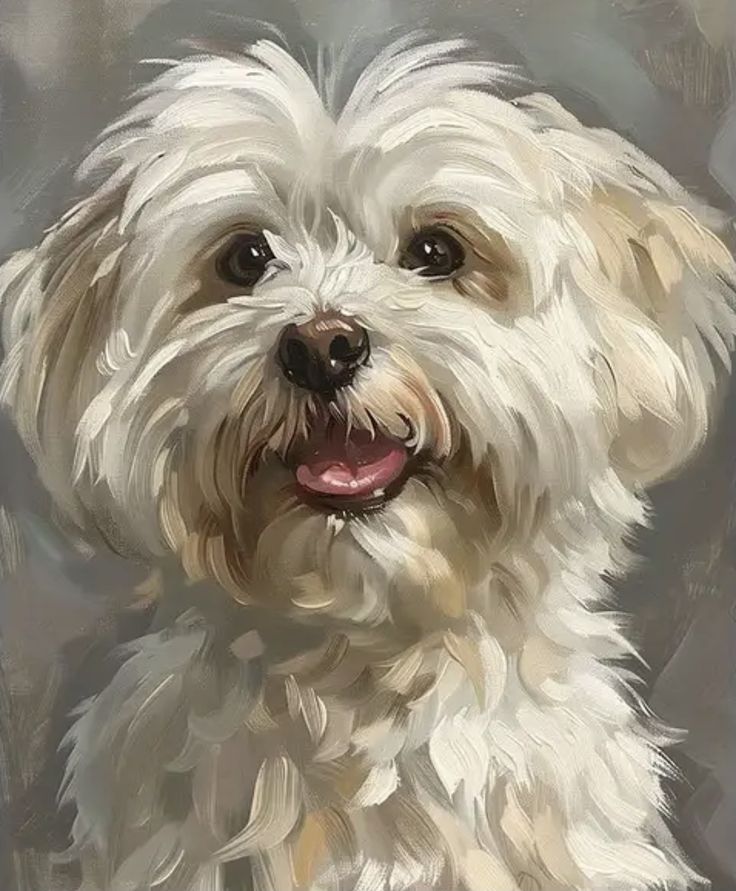
Havanese have a sturdy, small body covered in a profuse, silky coat that can be wavy or curly. Their expression is soft and intelligent with large, dark eyes. Their ears drop and are covered with long hair. The plumed tail curves over the back. They have a distinctive springy gait that reflects their cheerful personality.
Temperament
Havanese are happy, outgoing dogs that live to make their owners smile. They are natural performers who love learning tricks. They are adaptable and equally content going for a walk or curling up on a lap. Their attachment to their people is intense — separation anxiety can be an issue.
Personality Around Others
Havanese are friendly with virtually everyone — other dogs, cats, children, and strangers. They are gentle and patient with children. They thrive in social situations and enjoy being the center of attention. They are non-aggressive and non-territorial.
Exercise Needs
Low to moderate exercise needs. Short daily walks and indoor play sessions are sufficient. They enjoy learning tricks and performing. About 20–30 minutes of activity daily keeps them happy. They adapt their energy level to their owner's lifestyle.
Training
Highly trainable and eager to please. Havanese are natural trick dogs and enjoy the training process. They respond well to positive reinforcement. They can be sensitive to harsh correction. They excel in obedience, agility, and therapy work.
Grooming
High grooming needs if kept in full coat — daily brushing prevents matting. Many owners opt for a shorter 'puppy clip' for easier maintenance. Professional grooming every 4–6 weeks. Regular ear cleaning and dental care are important. Despite their long coat, they are considered low-shedding.
Health
Common Health Conditions
Generally a healthy breed with good longevity. Patellar luxation and eye issues are the most common concerns. Responsible breeders screen for these conditions. Their long lifespan is one of the breed's best features.
Recommended Health Tests
- Hip Evaluation
- Ophthalmologist Evaluation
- Patellar Evaluation
- BAER Testing
Average Annual Vet Cost
$400–$1,000
Nutrition
Feed a high-quality small-breed food. Havanese need about ½–1 cup daily divided into two meals. Monitor weight and adjust portions as needed. Some may have food sensitivities. Dental health should be supported through diet and chews.
Living Environment
Ideal apartment dogs. Their small size, low exercise needs, and relatively quiet nature make them perfect for any living situation. They are adaptable to various climates. They should live indoors with their family.
Ideal Family
Perfect for families with children, singles, seniors, and first-time dog owners. Excellent for apartment living. Ideal for those wanting an affectionate, trainable companion. Great therapy dogs. Not ideal for owners who are away from home frequently.
Intelligence
Havanese are moderately intelligent with a natural talent for performing tricks. They are quick learners when motivated and enjoy the mental stimulation of training. Their emotional intelligence is high.
Barking
Frequency
Alert
Separation
Quiet Indoors
Moderate barkers. They may alert bark but are generally not as vocal as many toy breeds. Some develop excessive barking if not properly trained.
Shedding
Year-Round
Seasonal
Vacuum Factor 🧹
Hypoallergenic
Very low shedding. Their silky coat catches loose hair rather than releasing it. Regular grooming removes dead hair. Considered a good choice for allergy sufferers.
Weather Tolerance
☀️
Heat
❄️
Cold
🌧️
Rain
🌨️
Snow
💧
Humidity
Breed Ratings
Fun Facts
The Havanese is Cuba's national dog and only native breed.
The breed was rebuilt in America from just 11 dogs brought from Cuba during the 1959 revolution.
Ernest Hemingway, who lived in Cuba, is thought to have owned Havanese.
They were popular circus dogs due to their love of performing tricks.
Queen Victoria and Charles Dickens were both Havanese enthusiasts.
Famous Dogs
Barbara Walters' Havanese
The journalist was a well-known Havanese advocate
Venus Williams' Harold
The tennis star's beloved Havanese companion
Common Myths
"Havanese are hypoallergenic."
While they shed less than many breeds and produce less dander, no dog is truly hypoallergenic. They are a better choice for allergy sufferers.
"They are too delicate for active families."
Havanese are sturdier than they look and enjoy moderate exercise. They can keep up with active families and enjoy outdoor adventures.
Frequently Asked Questions
Are Havanese good for people with allergies?
They are one of the better choices for allergy sufferers due to their low-shedding coat. However, no dog is completely hypoallergenic. Spend time with the breed before committing.
Do Havanese have separation anxiety?
They can be prone to separation anxiety due to their strong attachment to their owners. Crate training, gradual desensitization, and mental stimulation help manage this tendency.
Adoption Tips
Havanese are available through breed-specific rescues. Some are surrendered due to grooming demands or separation anxiety. They adapt well to new homes and bond quickly with new families.
Puppy Guide
Havanese puppies are playful and social. Begin grooming routines early. Start trick training — they love it. Socialize gently and extensively. Address separation anxiety prevention from day one with gradual alone-time training.
Senior Care
Senior Havanese may develop joint issues, cataracts, and dental problems. Maintain grooming routines. Continue mental stimulation through tricks and games. Their long lifespan means many enjoy active senior years.
Ownership Costs
Estimated Lifetime Cost
$14,000–$22,000
Pros and Cons
Pros
Low shedding — good for allergy sufferers
Extremely affectionate and social
Long lifespan (14–16 years)
Adaptable to any living situation
Natural trick performers
Cons
Prone to separation anxiety
High grooming maintenance in full coat
Can be difficult to housetrain
Not a guard dog
May be fragile with rough handling