
Cavalier King Charles Spaniel
Also known as: Cavalier, CKCS, Cav
Energy Level
Apartment Friendly
Weight (Male)
13–18 lbs
Height (Male)
12–13 inches
Quick Facts
Coat Colors
Breed Summary
The Cavalier King Charles Spaniel is the epitome of a gentle, affectionate companion. With their soulful eyes, silky coat, and sweet expression, Cavaliers combine the athleticism of a sporting spaniel with the gentle nature of a toy breed. They are adaptable, easygoing dogs that thrive on human companionship.
History
Named after King Charles II of England, who was so devoted to his spaniels that he was accused of ignoring state matters in their favor. The modern Cavalier was recreated in the 1920s when American Roswell Eldridge offered prizes at Crufts for breeders who could produce spaniels resembling those in old paintings. The breed was refined from the flatter-faced King Charles Spaniel to have a longer muzzle, and the AKC recognized it in 1995.
Appearance
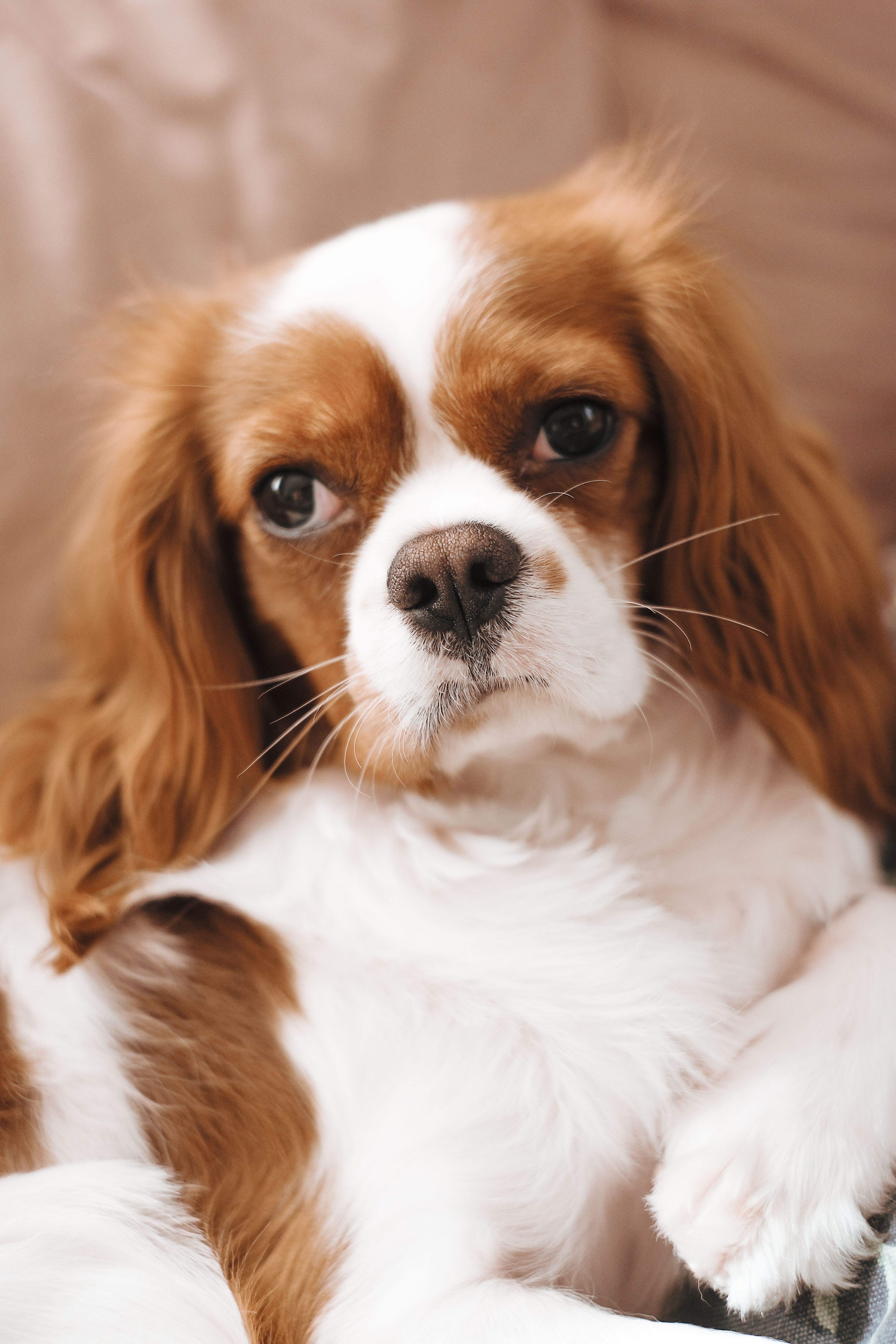
Cavaliers are elegant, graceful dogs with a gentle, melting expression. Their large, round, dark eyes and long, feathered ears are their most endearing features. The silky coat is medium-length with feathering on the ears, chest, legs, and tail. They come in four recognized color patterns: Blenheim (chestnut and white), tricolor, black and tan, and ruby.
Temperament
Cavaliers are the ultimate companion dogs — gentle, affectionate, and adaptable. They are equally happy playing in the yard or curling up on a lap. They are remarkably attuned to their owners' emotions and seem to sense when comfort is needed. Their sweet, patient nature makes them excellent therapy dogs.
Personality Around Others
Cavaliers are friendly with virtually everyone — other dogs, cats, children, and strangers. They lack the suspicion and aggression common in some breeds. They are gentle with babies and patient with children. They get along well with other pets and are not territorial.
Exercise Needs
Moderate exercise needs. Daily walks of 30–45 minutes plus play sessions keep them happy. They retain some sporting instincts and enjoy a good game of fetch. They adapt their activity level to their owner — active with active people, calm with calm people.
Training
Eager to please and responsive to gentle training. Cavaliers learn well with positive reinforcement and praise. They are sensitive to harsh correction, which can cause them to shut down. They can excel in obedience and rally, though they may not have the drive for intense competition.
Grooming
Moderate grooming needs. Their silky coat requires brushing 3–4 times weekly to prevent tangles, especially behind the ears and on the feathering. Professional grooming every 6–8 weeks. Regular ear cleaning is important as their long ears are prone to infections.
Health
Common Health Conditions
The breed's most significant health concern is mitral valve disease (MVD), a heart condition that affects a high percentage of Cavaliers. Syringomyelia (a condition affecting the brain and spine) is another serious concern. Responsible breeders screen for these conditions.
Recommended Health Tests
- Cardiac Exam
- Ophthalmologist Evaluation
- Hip Evaluation
- Patellar Evaluation
- MRI Screening (for syringomyelia)
Average Annual Vet Cost
$800–$2,000
Nutrition
Feed a high-quality small-breed food appropriate for their age. Cavaliers need about 1–1.5 cups daily divided into two meals. Monitor weight carefully as they can gain weight easily. Heart-healthy diets may benefit those with cardiac concerns.
Living Environment
Excellent apartment dogs. Their moderate size and adaptable nature make them ideal for any living situation. They are relatively quiet and well-mannered indoors. They need indoor living with their family — they are not outdoor dogs.
Ideal Family
Perfect for families with children, singles, seniors, and first-time dog owners. Excellent for those seeking a gentle, adaptable companion. Ideal for therapy work. Good for people who work from home, as they prefer company.
Intelligence
Cavaliers are moderately intelligent with exceptional emotional intelligence. They are very responsive to human emotions and make outstanding therapy dogs. They learn commands readily when training is gentle and positive.
Barking
Frequency
Alert
Separation
Quiet Indoors
Generally quiet dogs. They may bark to alert but are not nuisance barkers. Their gentle nature means they rarely vocalize excessively.
Shedding
Year-Round
Seasonal
Vacuum Factor 🧹
Hypoallergenic
Moderate shedding year-round with some seasonal increase. Regular brushing manages loose hair effectively.
Weather Tolerance
☀️
Heat
❄️
Cold
🌧️
Rain
🌨️
Snow
💧
Humidity
Breed Ratings
Fun Facts
King Charles II issued a royal decree allowing spaniels in any public place, including Parliament.
Cavaliers are one of the most popular therapy dog breeds due to their gentle, empathetic nature.
The Blenheim color pattern is named after Blenheim Palace, where the Duke of Marlborough bred red and white spaniels.
They are sometimes called 'comfort spaniels' for their ability to sense and respond to human emotions.
Cavaliers have been popular with royalty and aristocracy for over 400 years.
Famous Dogs
Rex
Samuel Pepys wrote about King Charles II's spaniels in his famous diary
Charlotte York's Elizabeth Taylor
The Cavalier from the TV show Sex and the City
Common Myths
"Cavaliers are too delicate for active families."
While gentle, Cavaliers are sporting spaniels at heart and enjoy hiking, swimming, and active play. They are sturdier than they look.
"All Cavaliers have heart disease."
While MVD rates are high in the breed, responsible breeding and health testing are reducing incidence. Many Cavaliers live long, healthy lives.
Frequently Asked Questions
Are Cavaliers good with children?
Cavaliers are among the best breeds for families with children. They are gentle, patient, and sturdy enough for play. They rarely snap or show aggression.
Do Cavaliers have a lot of health problems?
They can be prone to heart disease (MVD) and syringomyelia. Choosing a breeder who tests for these conditions significantly reduces risk. Many Cavaliers live healthy lives into their teens.
Adoption Tips
Cavaliers are available through breed-specific rescues. Many come from puppy mills or are surrendered when owners can't manage health costs. Rescued Cavaliers typically bond quickly and are grateful companions.
Puppy Guide
Cavalier puppies are gentle and social. Begin socialization early. Their training should always be gentle — harsh methods are counterproductive. Start grooming routines young. Protect from extreme temperatures.
Senior Care
Senior Cavaliers need regular cardiac monitoring. Maintain dental health and weight. Continue gentle exercise. Provide comfortable bedding. Their need for companionship increases with age.
Ownership Costs
Estimated Lifetime Cost
$18,000–$30,000
Pros and Cons
Pros
Exceptionally gentle and affectionate
Great with children and other pets
Adaptable to any living situation
Beautiful, elegant appearance
Excellent therapy dogs
Cons
Prone to serious heart disease (MVD)
Risk of syringomyelia
Can develop separation anxiety
Moderate grooming requirements
Not a watchdog or guard dog