
Havanese
También conocido como: Havana Silk Dog, Bichon Havanais
Nivel de Energía
Apto Apartamento
Peso (Macho)
7–13 lbs
Altura (Macho)
8.5–11.5 inches
Datos Rápidos
Colores de Pelaje
Resumen de la Raza
El Havanese es la única raza nativa de Cuba: un perro toy alegre y afectuoso con un pelaje sedoso y fluido y un andar elástico irresistible. Son adaptables, fáciles de entrenar y son compañeros excepcionales. Su personalidad alegre y despreocupada y su amor por realizar trucos les han valido el apodo de "perros de velcro" por su deseo de estar constantemente cerca de sus dueños.
Historia
El Havanese desciende de los perros traídos a Cuba por los colonos españoles. Se convirtieron en las queridas mascotas de la aristocracia cubana en los siglos XVIII y XIX. Cuando los cubanos huyeron a los Estados Unidos durante la revolución de 1959, se llevaron a sus Havanese con ellos. La raza se reconstruyó a partir de solo 11 perros y fue reconocida por el AKC en 1996.
Apariencia
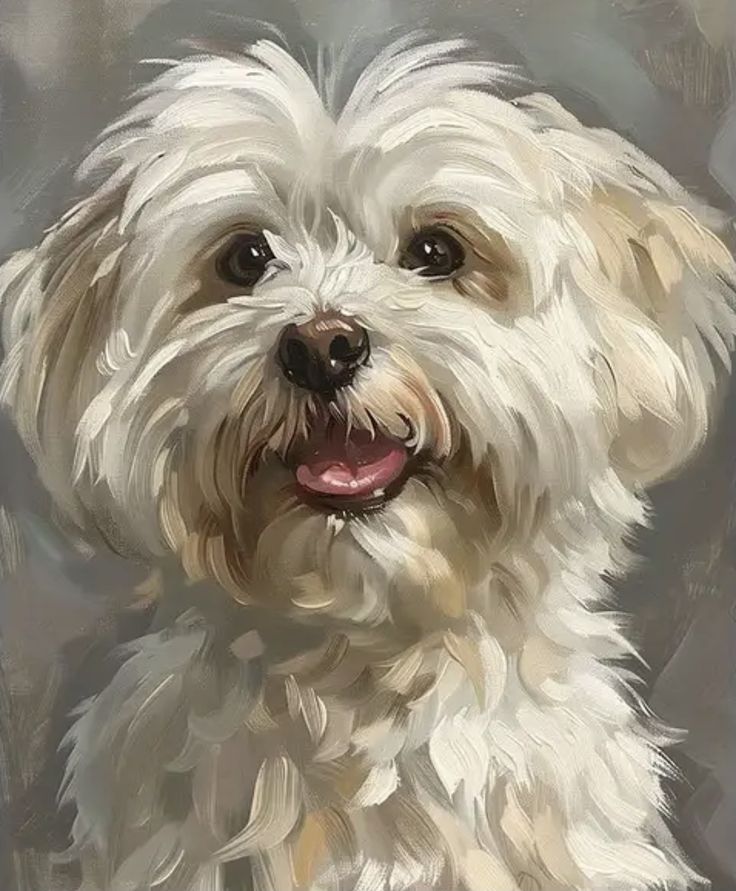
El Havanese tiene un cuerpo pequeño y robusto cubierto de un pelaje profuso y sedoso que puede ser ondulado o rizado. Su expresión es suave e inteligente, con ojos grandes y oscuros. Sus orejas caen y están cubiertas de pelo largo. La cola con plumas se curva sobre la espalda. Tienen un andar elástico distintivo que refleja su personalidad alegre.
Temperamento
Los Havanese son perros felices y extrovertidos que viven para hacer sonreír a sus dueños. Son artistas naturales a los que les encanta aprender trucos. Son adaptables y se sienten igual de contentos dando un paseo que acurrucándose en un regazo. Su apego a su gente es intenso; la ansiedad por separación puede ser un problema.
Personalidad con Otros
Los Havanese son amigables con prácticamente todo el mundo: otros perros, gatos, niños y extraños. Son gentiles y pacientes con los niños. Prosperan en situaciones sociales y disfrutan de ser el centro de atención. No son agresivos ni territoriales.
Necesidades de Ejercicio
Necesidades de ejercicio de bajas a moderadas. Los paseos diarios cortos y las sesiones de juego en el interior son suficientes. Disfrutan aprendiendo trucos y actuando. Alrededor de 20–30 minutos de actividad diaria los mantiene felices. Adaptan su nivel de energía al estilo de vida de su dueño.
Entrenamiento
Altamente entrenables y ansiosos por complacer. Los Havanese son perros de trucos naturales y disfrutan del proceso de entrenamiento. Responden bien al refuerzo positivo. Pueden ser sensibles a las correcciones severas. Sobresalen en obediencia, agilidad y trabajo de terapia.
Aseo
Altas necesidades de peluquería si se mantienen con el pelaje completo; el cepillado diario evita que se enrede. Muchos dueños optan por un "corte de cachorro" más corto para un mantenimiento más fácil. Peluquería profesional cada 4–6 weeks. La limpieza regular de oídos y el cuidado dental son importantes. A pesar de su pelaje largo, se consideran de baja muda.
Salud
Condiciones Comunes
Generalmente es una raza saludable con una buena longevidad. La luxación patelar y los problemas oculares son las preocupaciones más comunes. Los criadores responsables realizan pruebas de detección para estas afecciones. Su larga esperanza de vida es una de las mejores características de la raza.
Pruebas de Salud Recomendadas
- Evaluación de cadera
- Evaluación oftalmológica
- Evaluación patelar
- Prueba BAER
Costo Veterinario Anual Promedio
$400–$1,000
Nutrición
Alimente con un alimento de alta calidad para razas pequeñas. Los Havanese necesitan alrededor de ½–1 cup diario dividido en dos comidas. Controle el peso y ajuste las porciones según sea necesario. Algunos pueden tener sensibilidades alimentarias. La salud dental debe apoyarse a través de la dieta y masticables.
Entorno de Vida
Perros ideales para apartamentos. Su tamaño pequeño, bajas necesidades de ejercicio y naturaleza relativamente silenciosa los hacen perfectos para cualquier situación de vivienda. Son adaptables a varios climas. Deben vivir en el interior con su familia.
Familia Ideal
Perfecto para familias con niños, solteros, personas mayores y dueños de perros por primera vez. Excelente para la vida en apartamentos. Ideal para quienes desean un compañero afectuoso y fácil de entrenar. Excelentes perros de terapia. No es ideal para dueños que están fuera de casa con frecuencia.
Inteligencia
Los Havanese son moderadamente inteligentes con un talento natural para realizar trucos. Aprenden rápido cuando están motivados y disfrutan de la estimulación mental del entrenamiento. Su inteligencia emocional es alta.
Ladrido
Frecuencia
Alerta
Separación
Silencio Interior
Ladradores moderados. Pueden ladrar para alertar, pero generalmente no son tan vocales como muchas razas toy. Algunos desarrollan un ladrido excesivo si no se les entrena adecuadamente.
Muda de Pelo
Todo el Año
Estacional
Factor Aspiradora
Hipoalergénico
Muda de pelo muy baja. Su pelaje sedoso atrapa el pelo suelto en lugar de soltarlo. El cepillado regular elimina el pelo muerto. Considerado una buena opción para las personas alérgicas.
Tolerancia Climática
☀️
Calor
❄️
Frío
🌧️
Lluvia
🌨️
Nieve
💧
Humedad
Calificaciones de la Raza
Datos Curiosos
El Havanese es el perro nacional de Cuba y su única raza nativa.
La raza se reconstruyó en América a partir de solo 11 perros traídos de Cuba durante la revolución de 1959.
Se cree que Ernest Hemingway, quien vivió en Cuba, tuvo Havanese.
Eran perros de circo populares debido a su amor por realizar trucos.
La reina Victoria y Charles Dickens eran entusiastas del Havanese.
Perros Famosos
Barbara Walters' Havanese
El periodista era un conocido defensor del Havanese
Venus Williams' Harold
El querido compañero Havanese de la estrella del tenis
Mitos Comunes
"Los Havanese son hipoalergénicos."
Aunque mudan menos pelo que muchas razas y producen menos caspa, ningún perro es verdaderamente hipoalergénico. Son una mejor opción para las personas alérgicas.
"Son demasiado delicados para familias activas."
Los Havanese son más robustos de lo que parecen y disfrutan del ejercicio moderado. Pueden seguir el ritmo de familias activas y disfrutar de aventuras al aire libre.
Preguntas Frecuentes
¿Son los Havanese buenos para las personas con alergias?
Son una de las mejores opciones para las personas alérgicas debido a su pelaje de baja muda. Sin embargo, ningún perro es completamente hipoalergénico. Pase tiempo con la raza antes de comprometerse.
¿Tienen los Havanese ansiedad por separación?
Pueden ser propensos a la ansiedad por separación debido a su fuerte apego a sus dueños. El entrenamiento en jaula, la desensibilización gradual y la estimulación mental ayudan a manejar esta tendencia.
Consejos de Adopción
Los Havanese están disponibles a través de rescates específicos de la raza. Algunos son entregados debido a las exigencias de peluquería o la ansiedad por separación. Se adaptan bien a nuevos hogares y se vinculan rápidamente con nuevas familias.
Guía de Cachorro
Los cachorros de Havanese son juguetones y sociales. Comience las rutinas de peluquería desde temprano. Comience el entrenamiento de trucos, les encanta. Socialice de manera suave y extensa. Aborde la prevención de la ansiedad por separación desde el primer día con un entrenamiento gradual para quedarse solos.
Cuidado de Adulto Mayor
Los Havanese de edad avanzada pueden desarrollar problemas articulares, cataratas y problemas dentales. Mantenga las rutinas de peluquería. Continúe con la estimulación mental a través de trucos y juegos. Su larga esperanza de vida significa que muchos disfrutan de años de vejez activos.
Razas Similares
Maltese
Compañero toy similar con un pelaje solo blanco y una constitución ligeramente más delicada
Shih Tzu
Temperamento de compañero afectuoso similar con una textura de pelaje diferente
Cavalier King Charles Spaniel
Naturaleza gentil y afectuosa similar en un formato de spaniel ligeramente más grande
Costos de Propiedad
Costo Estimado de por Vida
$14,000–$22,000
Pros y Contras
Ventajas
Baja muda de pelo: bueno para personas alérgicas
Extremadamente afectuoso y social
Larga esperanza de vida (14–16 years)
Adaptable a cualquier situación de vivienda
Artistas de trucos naturales
Desventajas
Propenso a la ansiedad por separación
Alto mantenimiento de peluquería con el pelaje completo
Puede ser difícil de educar en el hogar
No es un perro de guardia
Puede ser frágil ante un manejo brusco