
Poodle (Standard)
Also known as: Standard Poodle, Caniche, Pudel
Energy Level
Apartment Friendly
Weight (Male)
60–70 lbs (27–32 kg)
Height (Male)
Over 15 inches (38+ cm)
Quick Facts
Coat Colors
Breed Summary
The Poodle is far more than its reputation as a pampered show dog would suggest. Beneath the fancy haircuts lies one of the most intelligent, athletic, and versatile dog breeds ever developed. Ranked as the 2nd smartest dog breed in the world, the Poodle was originally bred as a water retriever in Germany, and its elaborate coat clips were designed to protect joints and vital organs while swimming in cold water.
Standard Poodles are elegant, proud, and remarkably athletic dogs that excel in virtually every canine activity—from obedience and agility to dock diving and hunting. Their hypoallergenic, non-shedding coat makes them one of the most popular choices for allergy sufferers, and their intelligence makes them extraordinarily trainable.
The Poodle's biggest strength is its versatility—it can be a dignified show dog, a tireless hunter, a competitive athlete, a therapy dog, and a playful family companion all in one package. However, their high intelligence requires significant mental stimulation, and their coat demands professional grooming every 4-6 weeks.
History
Despite being France's national dog, the Poodle actually originated in Germany where it was called "Pudel" (meaning "to splash in water"). The breed was developed as a water retriever, and the famous Poodle clip—often dismissed as mere vanity—served a practical purpose: hair was left around joints and vital organs for warmth in cold water, while the rest was clipped short to reduce drag while swimming.
The breed gained enormous popularity in France, where it became the national dog and was refined into three sizes: Standard, Miniature, and Toy. French aristocracy embraced the Poodle as both a hunting companion and a status symbol. The breed's intelligence also made it popular as a circus performer throughout Europe.
Standard Poodles remain the oldest and original variety. They were among the first breeds registered by the AKC in 1887 and have consistently ranked among the top 10 most popular breeds. Today, Poodles are the foundation for dozens of "designer" crossbreeds (Labradoodles, Goldendoodles, etc.), testament to their exceptional genetics.
Appearance
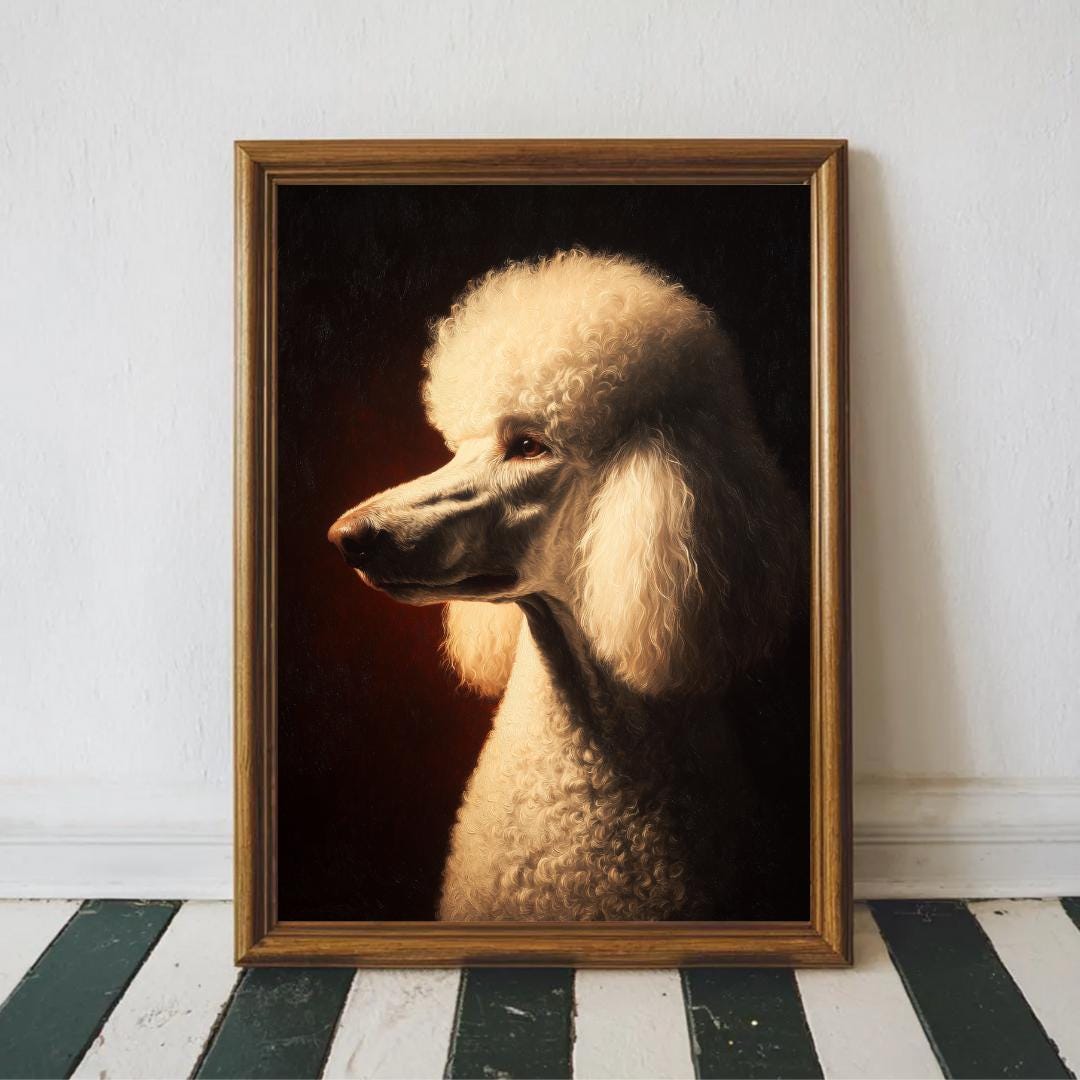
The Standard Poodle is an elegant, well-proportioned dog standing over 15 inches tall (typically 20-23 inches) and weighing 40-70 pounds. The body is squarely built with a long, graceful neck, straight back, and level topline. Movement is light, springy, and effortless—a well-built Poodle seems to float across the ground.
The head is long and refined with dark, oval eyes that express alertness and intelligence. Ears are long, hanging close to the head, and set at or slightly below eye level. The muzzle is long and straight.
The coat is the Poodle's most distinctive feature—dense, curly, and single-layered (no undercoat). Unlike double-coated breeds, Poodles don't shed—loose hair gets trapped in the curls, requiring regular brushing to prevent matting. Poodles come in a stunning range of solid colors, including black, white, brown, blue, silver, gray, cream, apricot, red, and café au lait.
Temperament
Standard Poodles are proud, intelligent, and remarkably dignified dogs with a playful streak that surprises many first-time owners. They are deeply attuned to their owners' emotions and can be remarkably intuitive companions. Poodles bond strongly with their families and are loyal without being clingy.
Their intelligence is their defining trait—Poodles are problem-solvers, quick learners, and creative thinkers. This intelligence makes them a joy to train but also means they need mental stimulation to prevent boredom-based behaviors. A bored Poodle will find ways to entertain itself, and those ways may not align with your furniture's structural integrity.
Contrary to the "prissy" stereotype, Standard Poodles are robust, athletic dogs that love outdoor adventures, swimming, and active play. They have a goofy, clownish side that they reveal to their trusted family members while maintaining a more reserved, dignified demeanor with strangers.
Personality Around Others
Standard Poodles are typically excellent with children—patient, playful, and gentle. Their intelligence allows them to adjust their behavior to the age and size of their play partners. They tend to be reserved but polite with strangers, warming up after an initial assessment period. Other dogs are generally accepted well, though some Poodles can be aloof. Cats are usually fine, especially when raised together. Their hunting heritage can activate around small animals like rabbits or birds.
Exercise Needs
Standard Poodles need 60-90 minutes of daily exercise. They are athletic dogs bred for water retrieval and have impressive stamina. Swimming, retrieving, hiking, and running are excellent activities. Mental exercise is equally important—training sessions, puzzle toys, nose work, and agility provide the cerebral stimulation Poodles crave. Without adequate exercise and mental engagement, Poodles become anxious, destructive, and may develop compulsive behaviors.
Training
Training a Standard Poodle is an absolute pleasure. Their extraordinary intelligence (2nd smartest breed) combined with eagerness to learn makes them excel at every level of training. They respond beautifully to positive reinforcement and can learn complex command chains, tricks, and service dog tasks. Start training early—Poodle puppies absorb information like sponges. Their sensitivity means harsh corrections backfire; firm but gentle guidance produces the best results. Poodles excel in competitive obedience, agility, rally, and dock diving.
Grooming
Poodle grooming is the breed's biggest maintenance commitment. The non-shedding coat grows continuously and must be professionally groomed every 4-6 weeks. Between grooming appointments, brush thoroughly 3-4 times per week to prevent matting. Most pet owners keep their Poodle in a simple "puppy clip" or "sporting clip" rather than elaborate show cuts. Ear cleaning is important—long, pendulous ears trap moisture. Regular dental care and nail trimming complete the routine. Budget $60-$100 per grooming session.
Health
Common Health Conditions
Standard Poodles are generally healthy dogs with a long lifespan of 12-15 years. Hip dysplasia and eye conditions (PRA) are the most common orthopedic and vision concerns. Von Willebrand Disease (a blood clotting disorder) can be screened through DNA testing. Addison's Disease (hypoadrenocorticism) is more prevalent in Poodles than in most other breeds. Bloat is a risk due to their deep chest. Sebaceous Adenitis, a skin condition, affects the breed more than others.
Recommended Health Tests
- Hip Evaluation (OFA)
- Ophthalmologist Evaluation
- PRA-Optigen DNA Test
- Von Willebrand Disease DNA Test
- Neonatal Encephalopathy DNA Test
Average Annual Vet Cost
$400–$800
Nutrition
Standard Poodles typically need 1,200-1,600 calories daily depending on activity level. High-quality protein sources support their athletic build. Feed twice daily—bloat risk makes single large meals inadvisable. Omega fatty acids support coat health and shine. Puppies should eat large-breed puppy food. Poodles are not typically food-obsessed like Labradors, making weight management easier, but monitor portions to maintain lean body condition.
Living Environment
Standard Poodles adapt to various living situations. They do well in houses with yards but can succeed in large apartments with adequate exercise. They handle cold weather reasonably well due to their curly coat but should wear a coat in extreme cold. Heat tolerance is moderate. They are indoor dogs that should not live primarily outside—they crave human companionship and will become depressed if isolated.
Ideal Family
Poodles are ideal for active, intelligent owners who enjoy training and engaging with their dogs. Excellent for families with children, allergy sufferers, and owners interested in dog sports. They suit singles, couples, and active seniors. Their versatility means they adapt to many lifestyles as long as mental and physical stimulation is provided. NOT ideal for owners unwilling to commit to regular grooming or those seeking a low-maintenance pet.
Intelligence
The Standard Poodle ranks 2nd in canine intelligence, just behind the Border Collie. They can learn a new command in fewer than 5 repetitions and obey known commands on the first attempt 95% or more of the time. Their problem-solving ability is remarkable—Poodles can figure out complex puzzles, remember training from months ago, and even anticipate their owner's requests. This intelligence extends beyond obedience; Poodles are emotionally intelligent, reading human body language and facial expressions with unusual accuracy.
Barking
Frequency
Alert
Separation
Quiet Indoors
Poodles are moderate barkers. They are alert and will announce visitors, but are not nuisance barkers. Some Poodles can develop excessive barking if under-stimulated. Training can effectively manage barking behavior.
Shedding
Year-Round
Seasonal
Vacuum Factor 🧹
Hypoallergenic
Poodles are one of the lowest-shedding breeds—their curly, single-layer coat traps loose hair rather than releasing it. This makes them excellent for allergy sufferers. The trade-off is that trapped hair leads to matting without regular brushing and professional grooming.
Weather Tolerance
☀️
Heat
❄️
Cold
🌧️
Rain
🌨️
Snow
💧
Humidity
Breed Ratings
Fun Facts
Poodles were originally bred as water retrievers—the name comes from German "Pudel" (to splash).
The elaborate Poodle clip was designed to protect joints in cold water, not for fashion.
Poodles have been circus performers for centuries due to their intelligence and trainability.
Elvis Presley was a noted Poodle lover, often gifting them to the women in his life.
Poodles are the national dog of France, despite originating in Germany.
Standard Poodles have been used as truffle-hunting dogs in France.
The breed has won the Westminster Dog Show more times than almost any other breed.
Poodles are the foundation of over 40 "designer" crossbreeds (Labradoodle, Goldendoodle, etc.).
Famous Dogs
Boi
The Poodle who won Best in Show at the 2020 Westminster Dog Show
Charley
John Steinbeck's travel companion in "Travels with Charley"
Rufus
Westminster Best in Show 2006—a colored Standard Poodle
Common Myths
"Poodles are prissy, high-maintenance lapdogs."
Standard Poodles are athletic, intelligent working dogs originally bred to retrieve waterfowl. They are tough, versatile, and thrive in active outdoor lifestyles.
"Poodles are hypoallergenic and produce no allergens."
No dog is truly hypoallergenic. Poodles produce significantly fewer allergens due to minimal shedding and dander, but they can still trigger allergies in very sensitive individuals.
"Poodles are not "real" dogs."
Poodles are among the most versatile working breeds—they excel at hunting, agility, obedience, search and rescue, and therapy work. They are very much "real" dogs.
Frequently Asked Questions
Are Poodles hypoallergenic?
Poodles produce fewer allergens than most breeds due to their non-shedding coat, making them one of the best choices for allergy sufferers. However, no dog is 100% hypoallergenic.
How often do Poodles need grooming?
Professional grooming every 4-6 weeks, plus brushing 3-4 times weekly at home. Grooming is the biggest maintenance commitment with Poodles.
Are Standard Poodles good family dogs?
Excellent family dogs—intelligent, patient, gentle with children, and eager to participate in family activities.
Do Poodles bark a lot?
Moderately. They are alert dogs that will announce visitors but are not excessive barkers with proper training and stimulation.
Can Poodles swim?
Poodles are excellent swimmers! They were originally bred for water retrieval and most Poodles love water.
Adoption Tips
Poodle rescues include the Poodle Club of America Rescue Foundation and regional Poodle rescue organizations. Many Standard Poodles are surrendered when owners realize the grooming commitment. Rescue Poodles can be wonderful companions. Ask about grooming history, temperament with children, and any known health issues.
Puppy Guide
Standard Poodle puppies are bright, curious, and quick learners. Begin socialization and training immediately. Their intelligence means they absorb both good and bad habits rapidly. Start grooming routines early so puppies accept handling. Feed large-breed puppy food for controlled growth. Puppy coat will transition to adult curls around 9-12 months—this period requires extra brushing to prevent matting.
Senior Care
Senior Poodles (10+) may experience vision loss (PRA), joint stiffness, and decreased energy. Continue regular grooming—many senior owners switch to shorter clips for easier maintenance. Joint supplements help maintain mobility. Keep mental stimulation active through gentle training and puzzle toys. Biannual vet visits with comprehensive blood work.
Similar Breeds
Portuguese Water Dog
Similar hypoallergenic coat and water-loving nature. Slightly more robust build.
Irish Water Spaniel
Similar curly coat and water retrieval heritage. More independent and reserved.
Lagotto Romagnolo
Italian curly-coated breed also used for water work. More laid-back temperament.
Bichon Frise
Much smaller with similar non-shedding coat. Lower exercise needs but similar cheerful temperament.
Ownership Costs
Estimated Lifetime Cost
$20,000–$30,000
Pros and Cons
Pros
2nd smartest dog breed—exceptionally trainable
Hypoallergenic, non-shedding coat ideal for allergy sufferers
Versatile athlete excelling in many dog sports
Long lifespan (12-15 years)
Elegant, dignified appearance
Excellent with children and families
Low shedding means cleaner home
Playful and fun-loving personality beneath dignified exterior
Cons
Extensive grooming requirements (professional grooming every 4-6 weeks)
High grooming costs ($800-$1,500/year)
Needs significant mental stimulation to prevent boredom
Can be reserved or aloof with strangers
Prone to separation anxiety
Susceptible to several genetic conditions
Sensitive nature requires gentle training approach
Coat mats easily without regular brushing