
Giant Schnauzer
Also known as: Riesenschnauzer
Energy Level
Apartment Friendly
Weight (Male)
60-85 lbs
Height (Male)
25.5-27.5 inches
Quick Facts
Coat Colors
Breed Summary
The Giant Schnauzer is a powerful, intelligent working dog that combines strength with elegance. Bred in Bavaria for cattle driving and later as police and guard dogs, they are versatile, loyal, and spirited companions.
History
Developed in the Bavarian Alps by crossing Standard Schnauzers with larger breeds including Great Danes and Bouviers. Used as cattle drovers, brewery guards, and later police dogs. AKC recognized in 1930.
Appearance
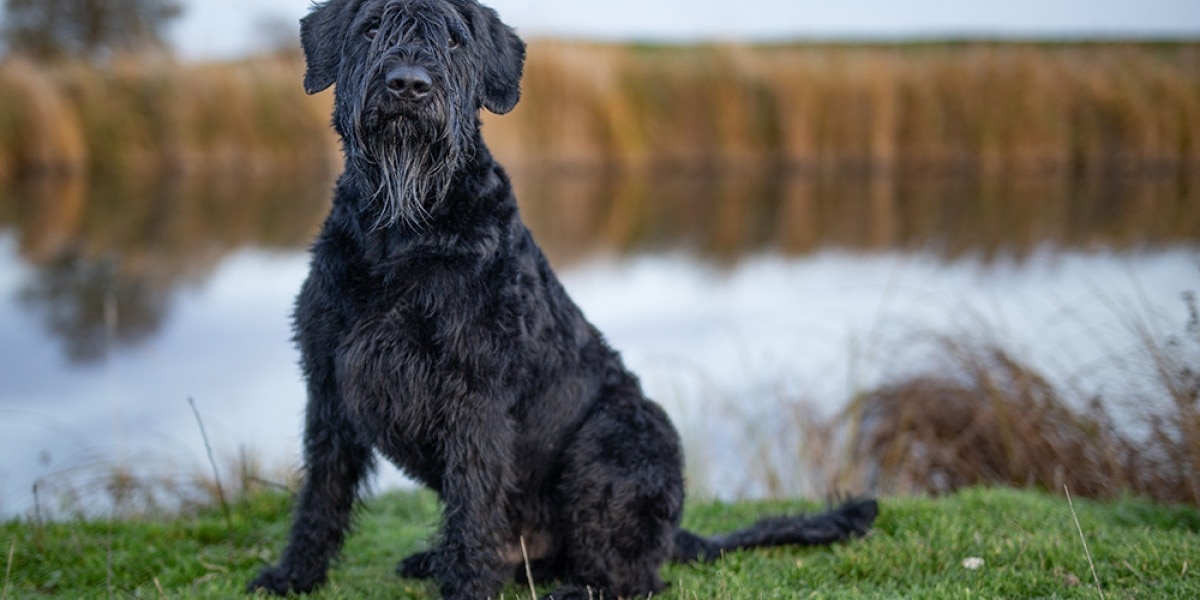
A large, robust dog with the characteristic Schnauzer beard, eyebrows, and wiry coat. Square, muscular build with a noble, alert expression. Cropped or natural ears. Docked or natural tail.
Temperament
Bold, spirited, and intensely loyal, the Giant Schnauzer is a demanding but rewarding companion. They are intelligent, driven, and need a job to be happy. Their devotion to family is unwavering.
Personality Around Others
Deeply devoted to family. Suspicious of strangers. Can be aggressive toward other dogs. Need extensive socialization. Protective and territorial.
Exercise Needs
Very high exercise needs. At least 1-2 hours of vigorous daily activity. They excel at various dog sports including Schutzhund, agility, and obedience. Mental stimulation is crucial.
Training
Highly trainable and eager to work. They need a confident, experienced handler. Positive reinforcement with consistent expectations. They can be dominant with weak leaders.
Grooming
Significant grooming needs—regular brushing, hand-stripping, or clipping every 6-8 weeks. Professional grooming recommended. Beard needs daily cleaning.
Health
Common Health Conditions
Generally healthy with good longevity for a large breed. Bloat and joint issues should be monitored. Regular health screening is important.
Recommended Health Tests
- Hip Evaluation
- Ophthalmologist Evaluation
- Thyroid Evaluation
Average Annual Vet Cost
$1,000-$1,800
Nutrition
Active dogs needing quality food. Two meals daily to help prevent bloat. Adjust for activity level. Monitor weight.
Living Environment
Need a home with a yard. Can adapt to apartments with extensive daily exercise. Not suited for inactive households. Need mental and physical stimulation.
Ideal Family
Only for experienced, active dog owners who can provide firm leadership. Excellent for those interested in dog sports. Families with older children.
Intelligence
Extremely intelligent—among the smartest large breeds. They learn quickly, retain training, and can perform complex tasks. Need mental challenges to stay engaged.
Barking
Frequency
Alert
Separation
Quiet Indoors
Alert barkers that will notify you of anything unusual. Can be vocal when excited or alarmed. Training helps manage vocalization.
Shedding
Year-Round
Seasonal
Vacuum Factor 🧹
Hypoallergenic
Low shedding when properly groomed. Regular grooming prevents loose hair. Their wiry coat traps dead hair.
Weather Tolerance
☀️
Heat
❄️
Cold
🌧️
Rain
🌨️
Snow
💧
Humidity
Breed Ratings
Fun Facts
Giant Schnauzers served as military dogs in both World Wars
They are one of the top breeds used in police and protection work worldwide
Despite their name, they are a separate breed from Standard Schnauzers, not just a larger version
They have been used as search and rescue dogs in disaster areas
Famous Dogs
Police Giants
Giant Schnauzers have served as police dogs in many countries, valued for their intelligence and drive
Common Myths
"They are just large Standard Schnauzers"
They are a distinct breed developed by crossing Standard Schnauzers with other large breeds
"They are too aggressive for families"
Well-socialized Giants are devoted, loyal family dogs—they just need experienced owners
Frequently Asked Questions
Are Giant Schnauzers good family dogs?
For experienced owners, yes. They are loyal and protective but need firm leadership, extensive exercise, and grooming.
How much grooming do they need?
Significant—regular brushing and professional grooming every 6-8 weeks.
Puppy Guide
Bold, confident puppies. Early socialization is critical. Start training early with firm but fair methods. They mature slowly—full maturity around age 3.
Senior Care
Senior Giants remain alert and devoted. Monitor for bloat and joint issues. Continue moderate exercise. Maintain grooming routine.
Ownership Costs
Estimated Lifetime Cost
$18,000-$28,000
Pros and Cons
Pros
Extremely intelligent and trainable
Loyal and protective
Low shedding
Versatile working dog
Cons
High grooming needs
Needs experienced owner
Can be dog-aggressive
Very high exercise needs