
German Pinscher
Also known as: Deutscher Pinscher
Energy Level
Apartment Friendly
Weight (Male)
25-45 lbs
Height (Male)
17-20 inches
Quick Facts
Coat Colors
Breed Summary
The German Pinscher is a sleek, elegant medium-sized dog that is the progenitor of both the Miniature Pinscher and the Doberman Pinscher. Intelligent, spirited, and vigilant, they are versatile companions with terrier-like energy.
History
An ancient German breed that dates back to the 1600s. They are the foundation breed for the Doberman Pinscher and Miniature Pinscher. Nearly went extinct after World War II but was revived. AKC recognized in 2003.
Appearance
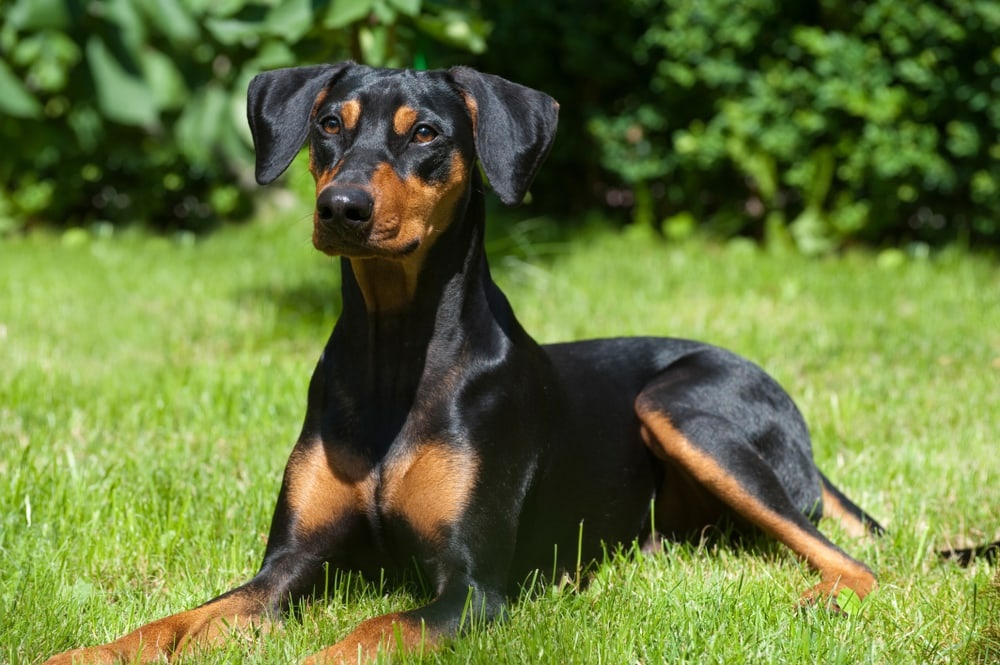
A medium-sized, muscularly elegant dog with a smooth, glossy coat. Alert expression with dark, oval eyes. Clean lines and athletic build. Cropped or natural ears. Docked or natural tail.
Temperament
Spirited, intelligent, and vigilant, the German Pinscher has big-dog attitude in a medium package. They are confident, bold, and highly energetic. They form strong bonds with their families and can be excellent watchdogs.
Personality Around Others
Loyal to family but can be reserved with strangers. Good with older children. Can be assertive with other dogs. Their terrier-like prey drive is strong.
Exercise Needs
High exercise needs for their size. Daily vigorous activity including walks, runs, and play. They excel at agility and obedience. Mental stimulation is equally important.
Training
Highly trainable and intelligent. They learn quickly and enjoy training. Need firm, consistent handling as they can be manipulative. Positive reinforcement with clear boundaries.
Grooming
Very easy coat care—weekly brushing and occasional baths. Their sleek coat is practically self-maintaining. Regular nail, ear, and dental care.
Health
Common Health Conditions
A generally healthy breed with good longevity. Some lines may have cardiac or clotting issues. Regular health screening is recommended.
Recommended Health Tests
- Hip Evaluation
- Ophthalmologist Evaluation
- Cardiac Exam
- Von Willebrand Factor DNA Test
Average Annual Vet Cost
$700-$1,300
Nutrition
Active dogs needing quality food. Two meals daily. Not prone to obesity when properly exercised. Monitor for food guarding in some individuals.
Living Environment
Adaptable to apartments if well-exercised. They are active indoors and need mental stimulation. A yard is helpful but not essential with adequate exercise.
Ideal Family
Best for experienced, active dog owners. Good for families with older children. Those who want an intelligent, vigilant companion. Not for passive owners.
Intelligence
Extremely intelligent—one of the smartest medium-sized breeds. Quick learners who need mental challenges. Can be too smart for their own good.
Barking
Frequency
Alert
Separation
Quiet Indoors
Alert barkers who will notify you of anything unusual. Can be vocal when excited. Training helps manage excessive barking.
Shedding
Year-Round
Seasonal
Vacuum Factor 🧹
Hypoallergenic
Low shedding. Their short, smooth coat produces minimal loose hair.
Weather Tolerance
☀️
Heat
❄️
Cold
🌧️
Rain
🌨️
Snow
💧
Humidity
Breed Ratings
Fun Facts
The German Pinscher is the ancestor of both the Doberman and Miniature Pinscher
The breed nearly went extinct after World War II
Werner Jung saved the breed using a single female and smuggling oversized Min Pins
They were originally bred to control vermin in German farmyards
Famous Dogs
Werner Jung's Dogs
Werner Jung single-handedly saved the breed from extinction after WWII using creative breeding
Common Myths
"They are miniature Dobermans"
The German Pinscher actually predates and is an ancestor of the Doberman
"They are too energetic for homes"
With adequate exercise, they are calm and well-behaved indoors
Frequently Asked Questions
What is the difference between German Pinschers and Dobermans?
German Pinschers are smaller (17-20 inches vs 24-28 inches) and are actually the ancestor breed of the Doberman.
Are they good apartment dogs?
Yes, with sufficient daily exercise. They are clean, compact, and adaptable.
Puppy Guide
Spirited, confident puppies. Early socialization and training are important. They are quick learners but can be mischievous. Establish rules early.
Senior Care
Senior German Pinschers remain active and alert. Monitor for cardiac issues. Continue daily exercise at a moderate pace. Their intelligence keeps them engaged.
Ownership Costs
Estimated Lifetime Cost
$14,000-$20,000
Pros and Cons
Pros
Highly intelligent and trainable
Low grooming needs
Good apartment adaptability
Excellent watchdog
Cons
Can be manipulative
High exercise needs
Prey drive toward small animals
Can be reserved with strangers