
Scottish Deerhound
Also known as: Deerhound, Royal Dog of Scotland
Energy Level
Apartment Friendly
Weight (Male)
85-110 lbs
Height (Male)
30-32 inches
Quick Facts
Coat Colors
Breed Summary
The Scottish Deerhound is a tall, dignified sighthound bred to course deer in the Scottish Highlands. These gentle, noble dogs combine impressive size with a sweet, affectionate temperament, earning them the title "Royal Dog of Scotland."
History
Bred for centuries by Scottish chieftains for deer coursing in the Highlands. The breed was once restricted to nobility, and only those ranking as an earl or above could own one. AKC recognized in 1886.
Appearance
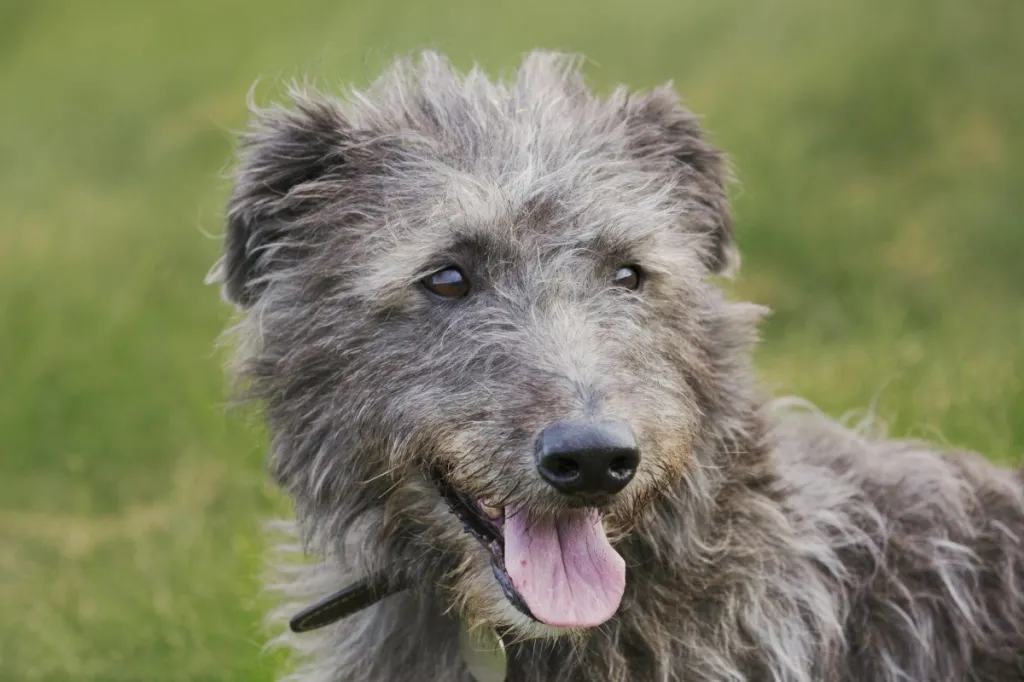
One of the tallest breeds, with a rough, wiry coat and a lean, elegant build. Similar to a Greyhound but larger and with a rough coat. Long legs, deep chest, and a gentle expression.
Temperament
Gentle, dignified, and affectionate, the Scottish Deerhound is one of the sweetest giant breeds. They are polite, quiet, and deeply devoted to their families. Their calm demeanor belies their hunting heritage.
Personality Around Others
Friendly and gentle with everyone. Not a guard dog. Excellent with children due to their patient nature. Generally good with other dogs. Prey drive is present but manageable.
Exercise Needs
Moderate exercise needs—daily walks and regular opportunities to run in a safe area. They enjoy galloping but are not endurance runners. Calm and quiet at home.
Training
Willing to please and relatively easy to train with positive methods. Gentle and sensitive—harsh corrections are counterproductive. They learn at a moderate pace.
Grooming
Weekly brushing of the wiry coat. Occasional hand-stripping. Their coat requires less maintenance than it appears. Regular nail, ear, and dental care.
Health
Common Health Conditions
Like many giant breeds, they have a shorter lifespan. Bone cancer and heart disease are primary concerns. Bloat prevention is important. Regular cardiac screening.
Recommended Health Tests
- Cardiac Exam
- Factor VII DNA Test
Average Annual Vet Cost
$1,200-$2,200
Nutrition
Need large-breed appropriate food. Multiple smaller meals to prevent bloat. Slow, steady growth is important for puppies. Quality nutrition supports their large frame.
Living Environment
Need space due to their size but are quiet indoors. A yard is ideal but they can manage in larger apartments with daily exercise. Not suited for very warm climates.
Ideal Family
Best for families who appreciate gentle, quiet giant dogs. Great with children. Ideal for those who enjoy a calm, affectionate companion. Be prepared for the shorter lifespan.
Intelligence
Intelligent and sensitive. They learn well with patient training. More willing to cooperate than some sighthound breeds. Their observational skills are impressive.
Barking
Frequency
Alert
Separation
Quiet Indoors
Extremely quiet. One of the least vocal breeds. They rarely bark and are peaceful housemates.
Shedding
Year-Round
Seasonal
Vacuum Factor 🧹
Hypoallergenic
Moderate shedding. Regular brushing manages the rough coat effectively.
Weather Tolerance
☀️
Heat
❄️
Cold
🌧️
Rain
🌨️
Snow
💧
Humidity
Breed Ratings
Fun Facts
They were once restricted to Scottish nobility—only earls and above could own them
Sir Walter Scott called his Deerhound "the most perfect creature of heaven"
They can reach speeds of 30 mph
The breed nearly went extinct twice—after the fall of the clan system and during World War I
Famous Dogs
Maida
Sir Walter Scott's beloved Deerhound, considered his closest companion
Foxcliffe Dorian
Won Best in Show at the 2011 National Dog Show
Common Myths
"They are too large for homes"
Despite their size, they are calm, quiet couch potatoes that adapt well to home life
"They need exhausting amounts of exercise"
Moderate daily exercise with occasional sprints is sufficient
Frequently Asked Questions
How long do Scottish Deerhounds live?
Typically 8-11 years. Their giant size contributes to a shorter lifespan than average.
Are they good with children?
Exceptionally gentle and patient with children, though their large size requires supervision with small children.
Puppy Guide
Puppies grow rapidly and need careful nutrition. Avoid over-exercising during growth. Early socialization is important. They are gentle and sweet from a young age.
Senior Care
Senior Deerhounds need supportive bedding and moderate exercise. Monitor for heart and bone issues. Regular cardiac checkups. They are even more gentle and devoted in their senior years.
Ownership Costs
Estimated Lifetime Cost
$16,000-$25,000
Pros and Cons
Pros
Incredibly gentle and sweet
Quiet and calm indoors
Devoted to family
Great with children
Cons
Short lifespan
Prone to serious health issues
Large size needs space
Rare and expensive