
Greyhound
Also known as: English Greyhound
Energy Level
Apartment Friendly
Weight (Male)
65-70 lbs
Height (Male)
28-30 inches
Quick Facts
Coat Colors
Breed Summary
The Greyhound is the fastest dog breed, capable of reaching 45 mph. Despite their racing reputation, they are gentle, quiet couch potatoes at home—making them surprisingly excellent apartment companions.
History
One of the oldest breeds, Greyhounds appear in ancient Egyptian tombs dating to 2900 BC. Bred for coursing game, they later became racing dogs. Today, thousands of retired racers find loving homes as pets. AKC recognized in 1885.
Appearance
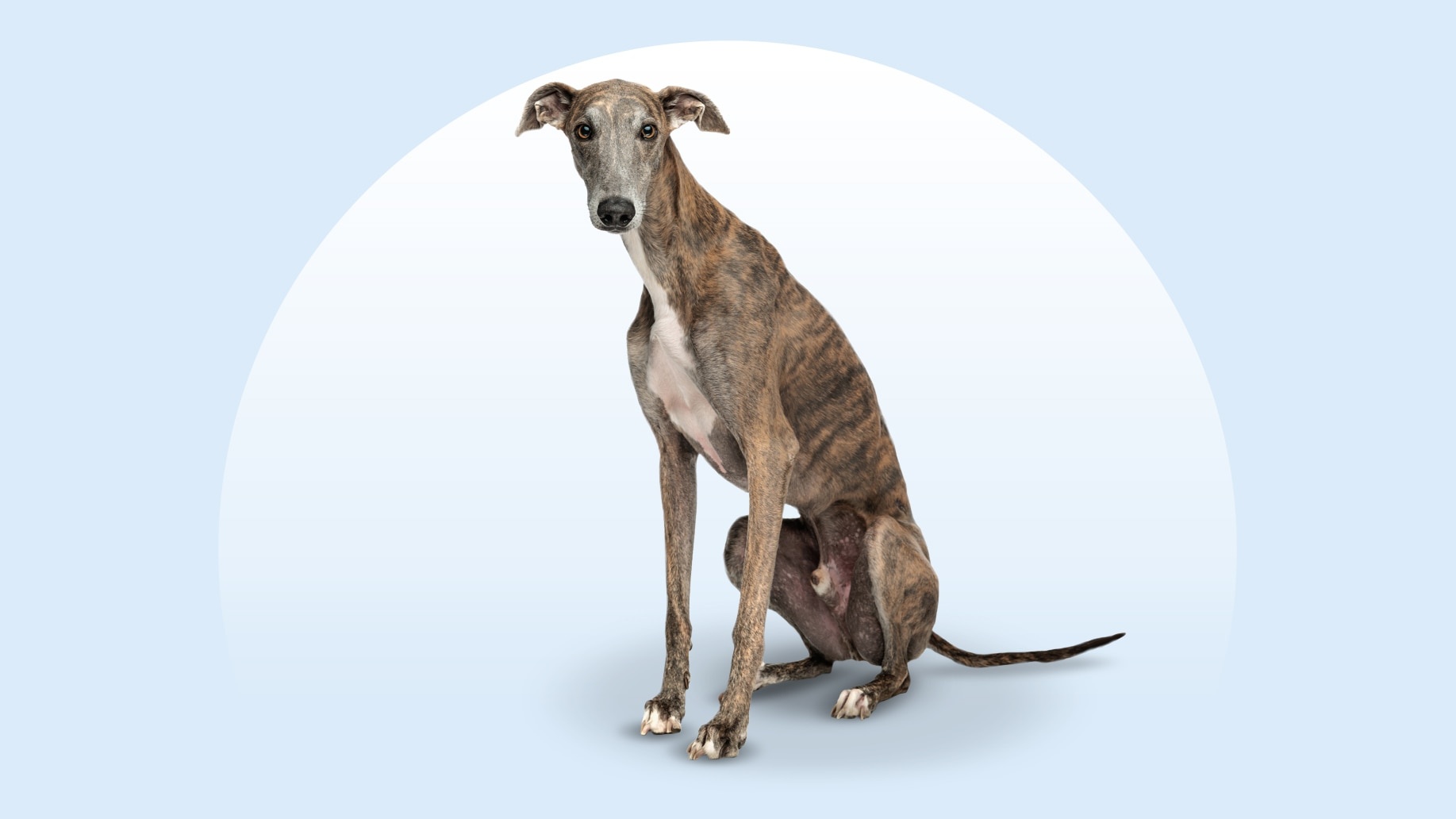
A tall, lean, aerodynamic dog with a deep chest, flexible spine, and long, powerful legs. Their narrow head and rose ears give them a distinctive profile. Short, smooth coat in many colors.
Temperament
Gentle, quiet, and affectionate, the Greyhound is often called a "40-mph couch potato." They are calm indoors and love to sleep. Despite their athletic ability, they are low-energy at home and make wonderful, easy companions.
Personality Around Others
Gentle and non-aggressive with everyone. Generally good with other dogs, especially other sighthounds. Strong prey drive toward small running animals. Quiet and respectful with children.
Exercise Needs
Surprisingly low exercise needs for such an athletic dog. A couple of short walks daily plus occasional sprints in a fenced area are sufficient. They are sprinters, not endurance runners.
Training
Sensitive and responsive to gentle training. They learn quickly but can be reluctant to repeat exercises. Positive reinforcement only—harsh methods will shut them down. Good at basic obedience.
Grooming
Extremely low-maintenance. Weekly brushing and occasional baths. Their thin skin requires gentle handling. No special grooming needs. Regular nail, ear, and dental care.
Health
Common Health Conditions
Generally healthy but sensitive to anesthesia and certain chemicals. Bone cancer is the leading cause of death. Regular dental care is important. Their thin skin is prone to cuts and scrapes.
Recommended Health Tests
- Cardiac Exam
- Ophthalmologist Evaluation
- BRAF Mutation Test
Average Annual Vet Cost
$800-$1,500
Nutrition
Do well on quality food but are not heavy eaters. Two meals daily. They can be prone to bloat, so avoid exercise near mealtime. Maintain lean body condition—you should be able to see their last few ribs.
Living Environment
Excellent apartment dogs—quiet, clean, and calm indoors. They need a soft bed as they have very little body fat. Must be leashed or in a fenced area outdoors. Cannot tolerate extreme cold.
Ideal Family
Ideal for quiet households including apartments. Great for first-time owners seeking a calm, gentle companion. Good with older children. Excellent for seniors or less active individuals.
Intelligence
Intelligent and independent. They learn quickly and are surprisingly sensitive to their owner's emotions. Not eager to perform tricks but understand expectations well.
Barking
Frequency
Alert
Separation
Quiet Indoors
One of the quietest breeds. Greyhounds rarely bark and are almost silent in the home. Ideal for apartment living and noise-sensitive situations.
Shedding
Year-Round
Seasonal
Vacuum Factor 🧹
Hypoallergenic
Light shedding. Their short, fine coat produces minimal loose hair. Weekly brushing is more than sufficient.
Weather Tolerance
☀️
Heat
❄️
Cold
🌧️
Rain
🌨️
Snow
💧
Humidity
Breed Ratings
Fun Facts
Greyhounds can reach 45 mph in just six strides
They are the only dog breed mentioned in the Bible (Proverbs 30:29-31 in some translations)
They spend up to 18 hours a day sleeping
Their blood composition is different from other breeds, which can confuse standard blood tests
Famous Dogs
Mick the Miller
Legendary racing Greyhound who won the English Derby twice in 1929 and 1930
Santa's Little Helper
Beloved cartoon Greyhound from The Simpsons
Common Myths
"Greyhounds need tons of exercise"
They are sprinters, not marathon runners. A few short walks and occasional sprints are sufficient
"Retired racers can't be pets"
They transition beautifully to home life and make excellent, calm companions
"They must be muzzled"
Racing Greyhounds wear muzzles only for safety during races. Most pets never need muzzles
Frequently Asked Questions
Are Greyhounds good apartment dogs?
Excellent apartment dogs. They are quiet, calm, and spend most of their time sleeping. One of the best large breeds for apartments.
Can they live with cats?
Some can with proper cat-testing, but their prey drive varies. Adoption groups typically test for cat compatibility.
Adoption Tips
Greyhound rescue and adoption organizations are abundant. Many retired racing Greyhounds need homes. They typically adjust well to home life. Ask about cat and small dog testing.
Puppy Guide
Greyhound puppies are rare as most available Greyhounds are retired racers. If getting a puppy, early socialization to home environments is important as they grow quickly.
Senior Care
Senior Greyhounds may develop arthritis—provide supportive bedding. They are sensitive to cold, so sweaters and warm beds are essential. Monitor for bone cancer. Continue gentle daily walks.
Ownership Costs
Estimated Lifetime Cost
$14,000-$22,000
Pros and Cons
Pros
Calm and quiet indoors
Excellent apartment dogs
Low grooming needs
Gentle, sweet temperament
Cons
Strong prey drive
Cannot be off-leash in open areas
Cold-sensitive
Sensitive skin prone to cuts