
Italian Greyhound
Also known as: IG, Iggy
Energy Level
Apartment Friendly
Weight (Male)
7-14 lbs
Height (Male)
13-15 inches
Quick Facts
Coat Colors
Breed Summary
The Italian Greyhound is an elegant, miniature sighthound that combines the grace of a Greyhound in a tiny package. These sensitive, affectionate dogs have been companions to royalty for over 2,000 years.
History
An ancient breed dating back over 2,000 years to the Mediterranean. Popular with Italian Renaissance nobility. Frederick the Great of Prussia was devoted to the breed. Originally bred for companionship and coursing small game. AKC recognized in 1886.
Appearance
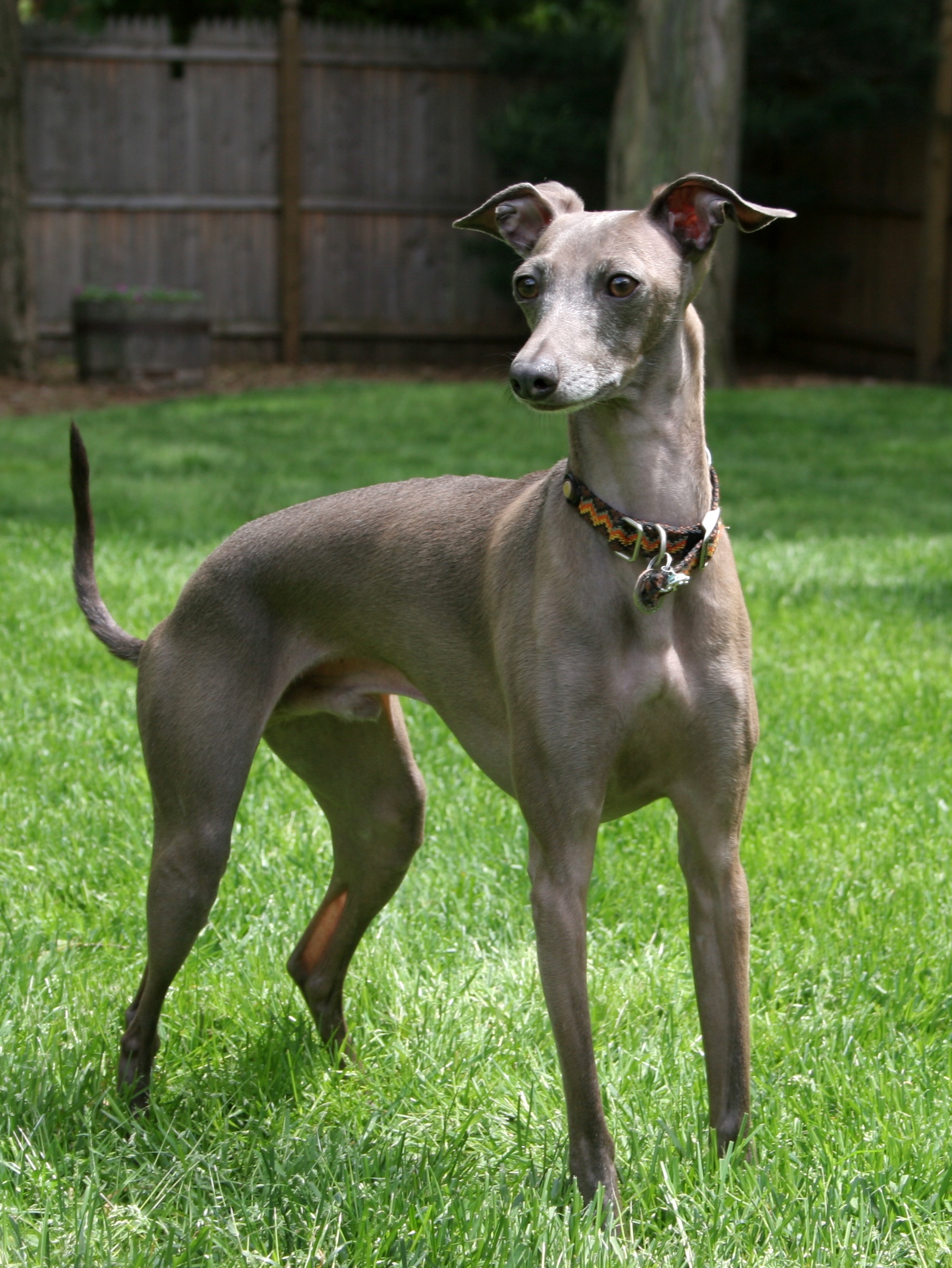
A slender, elegant toy dog resembling a miniature Greyhound. Fine-boned with a deep chest, tucked abdomen, and long, graceful legs. Short, glossy coat. Large, expressive dark eyes. Graceful, high-stepping gait.
Temperament
Sensitive, affectionate, and playful. Italian Greyhounds are devoted companions who love to cuddle under blankets. They can be shy but are deeply bonded to their families. Graceful and athletic despite their small size.
Personality Around Others
Very attached to family. Can be shy with strangers. Good with gentle, older children. Sensitive to conflict. Love warmth and comfort.
Exercise Needs
Moderate exercise needs. Enjoy short bursts of running. Love zoomies. Sensitive to cold—need jackets in cool weather.
Training
Sensitive and responds to gentle methods only. Housebreaking can be challenging. Positive reinforcement essential.
Grooming
Very easy grooming. Occasional brushing. Rare baths. Regular dental care crucial—small breeds prone to dental issues.
Health
Common Health Conditions
Leg fractures are a significant concern due to their fine bones. Dental disease is very common. Handle with care.
Recommended Health Tests
- Patellar Evaluation
- Ophthalmologist Evaluation
- Thyroid Testing
Average Annual Vet Cost
$500-$1,000
Nutrition
Quality toy-breed food. Dental-friendly diet. Small portions. Regular dental cleanings important.
Living Environment
Good apartment dogs. Need warmth. Not outdoor dogs. Fragile—careful in homes with large dogs.
Ideal Family
Gentle households. Those who enjoy a cuddly companion. Not for rough-and-tumble families.
Intelligence
Intelligent but sensitive. They learn best through bonding and trust. Can be stubborn about housetraining.
Barking
Frequency
Alert
Separation
Quiet Indoors
Generally quiet dogs. May bark from anxiety. Not excessive barkers.
Shedding
Year-Round
Seasonal
Vacuum Factor 🧹
Hypoallergenic
Very low shedding. Short, fine coat requires minimal maintenance.
Weather Tolerance
☀️
Heat
❄️
Cold
🌧️
Rain
🌨️
Snow
💧
Humidity
Breed Ratings
Fun Facts
Frederick the Great of Prussia was buried with his Italian Greyhounds by his request
They are the smallest of the sighthound breeds
Can reach speeds of 25 mph despite their tiny size
Popular in Italian Renaissance art—depicted in many famous paintings
They love to burrow under blankets and covers
Famous Dogs
Frederick the Great's IGs
The Prussian king was so devoted that he requested burial alongside his Italian Greyhounds
Ebony
An IG owned by President Tyler who lived in the White House
Common Myths
"They're just miniature Greyhounds"
While related, Italian Greyhounds are a distinct, ancient breed developed primarily for companionship
"They're too fragile to be pets"
With appropriate care and handling, they are hardy, long-lived companions
Frequently Asked Questions
Are they hard to housetrain?
They can be challenging—their small bladders and sensitivity to cold weather can make housetraining difficult. Patience is key.
Do they need coats in winter?
Yes—their thin coat provides almost no insulation. They need sweaters and jackets in cool weather.
Puppy Guide
IG puppies are extremely fragile. Protect from falls and rough play. Housetraining requires patience.
Senior Care
Senior IGs are cuddly and devoted. Dental care critical. Keep warm. Gentle exercise.
Ownership Costs
Estimated Lifetime Cost
$12,000-$18,000
Pros and Cons
Pros
Elegant and graceful
Low grooming needs
Affectionate companion
Low shedding
Long lifespan
Cons
Fragile bones
Difficult to housetrain
Needs warmth
Dental issues
Shy with strangers