
Saint Bernard
Also known as: St. Bernard, Alpine Mastiff
Energy Level
Apartment Friendly
Weight (Male)
140-180 lbs
Height (Male)
28-30 inches
Quick Facts
Coat Colors
Breed Summary
The Saint Bernard is a gentle, massive Swiss rescue dog famous for saving travelers in the Alps. With their kind eyes and patient temperament, they are beloved gentle giants and devoted family companions.
History
Bred by monks at the Great St. Bernard Hospice in the Swiss Alps since the 1600s. They rescued lost and injured travelers for centuries. Barry, the most famous rescue dog, saved over 40 lives. AKC recognized in 1885.
Appearance
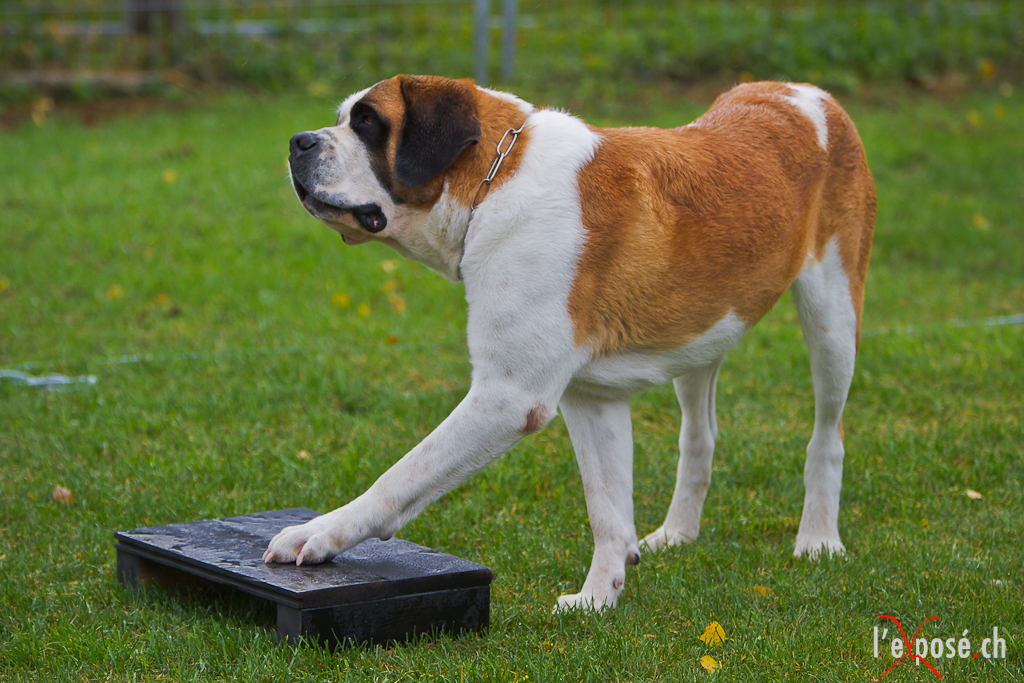
One of the largest breeds—massive, powerful build with a broad head and kind expression. Comes in short-haired and long-haired varieties. Distinctive red and white markings.
Temperament
Gentle, friendly, and patient, the Saint Bernard is a true gentle giant. They are calm, devoted, and wonderful with children. Despite their size, they are sensitive and responsive to their family's needs.
Personality Around Others
Friendly with everyone. Exceptionally patient with children. Good with other dogs and pets. Not aggressive but their size is naturally protective.
Exercise Needs
Low to moderate exercise—daily walks. Not high-energy. Avoid exercising in heat. They overheat very easily. Short walks are better than long ones.
Training
Moderately trainable. They aim to please but can be stubborn. Early training while still manageable is essential. Positive reinforcement with patience.
Grooming
Moderate to heavy grooming depending on coat type. Heavy shedding. Regular brushing. They drool extensively. Facial wrinkle cleaning.
Health
Common Health Conditions
Prone to joint issues, heart disease, and cancer. Shorter lifespan typical of giant breeds. Regular health monitoring is essential.
Recommended Health Tests
- Hip Evaluation
- Elbow Evaluation
- Cardiac Exam
- Ophthalmologist Evaluation
Average Annual Vet Cost
$1,500-$2,500
Nutrition
Quality giant-breed food in smaller, frequent meals. Bloat prevention is critical. Careful puppy nutrition for slow, steady growth.
Living Environment
Need a house with space. Not apartment dogs. Best in cooler climates. They suffer greatly in heat.
Ideal Family
Families wanting a gentle, patient giant. Those comfortable with drool and shedding. Not ideal for very hot climates or small living spaces.
Intelligence
Moderately intelligent. They understand expectations and aim to please. Not the quickest learners but willing and gentle.
Barking
Frequency
Alert
Separation
Quiet Indoors
Generally quiet. Their size alone deters threats. Occasional deep bark to alert.
Shedding
Year-Round
Seasonal
Vacuum Factor 🧹
Hypoallergenic
Heavy shedders, especially seasonal. Regular brushing is essential. Both coat types shed significantly.
Weather Tolerance
☀️
Heat
❄️
Cold
🌧️
Rain
🌨️
Snow
💧
Humidity
Breed Ratings
Fun Facts
Barry, the most famous Saint Bernard, saved over 40 lives in the Swiss Alps
The iconic brandy barrel image is actually a myth—they never carried brandy
They can sense avalanches before they happen
A Saint Bernard named Benedictine holds the record as the heaviest dog at 357 pounds
Famous Dogs
Barry
The legendary rescue Saint Bernard who saved over 40 lives at the Great St. Bernard Pass
Beethoven
The famous movie Saint Bernard from the 1992 film and its sequels
Common Myths
"Saint Bernards carried brandy barrels around their necks"
This is a romantic myth popularized by an 1820 painting—they never carried brandy
"They need cold climates to survive"
While they prefer cool weather, they can adapt to moderate climates with proper care
Frequently Asked Questions
How big do Saint Bernards get?
Males typically weigh 140-180 lbs and stand 28-30 inches. Some exceed 200 lbs.
Do they drool?
Yes, heavily. Saint Bernards are among the drooliest breeds. Keep towels handy.
Puppy Guide
Giant puppies needing careful nutrition. Grow very fast. Start training early. They are gentle and sweet from birth.
Senior Care
Senior Saints develop joint and heart issues. Supportive bedding. Gentle walks. Keep cool. Regular vet monitoring.
Ownership Costs
Estimated Lifetime Cost
$18,000-$28,000
Pros and Cons
Pros
Incredibly gentle and patient
Outstanding with children
Iconic, beloved breed
Loyal and devoted
Cons
Heavy drooling and shedding
Short lifespan
Heat-intolerant
Very high food costs