
Newfoundland
Also known as: Newfie, Gentle Giant
Energy Level
Apartment Friendly
Weight (Male)
130-150 lbs
Height (Male)
28 inches
Quick Facts
Coat Colors
Breed Summary
The Newfoundland is a massive, sweet-natured water dog known for their gentle temperament and heroic water rescues. Often called "nature's babysitter," they are devoted family companions with an instinctive desire to save people from drowning.
History
Bred in Newfoundland, Canada, as working dogs for fishermen—hauling nets, carrying boat lines, and rescuing drowning people. Their water rescue instinct is innate. AKC recognized in 1886.
Appearance
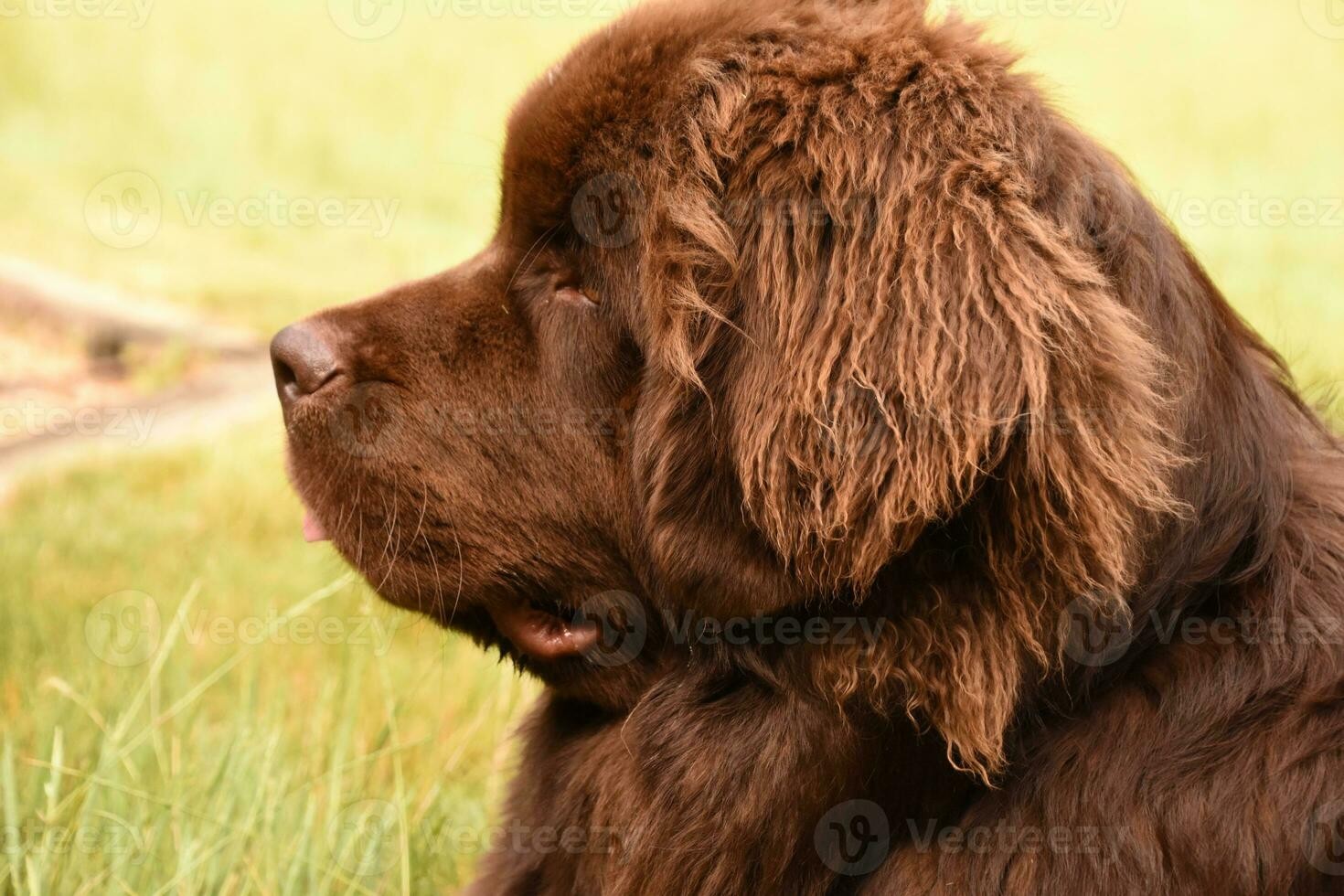
A massive, powerful dog with a dense, waterproof double coat. Broad head with gentle expression. Webbed feet for swimming. Their build combines strength with surprising grace in water.
Temperament
Sweet, gentle, and patient, the Newfoundland is the epitome of a gentle giant. They are devoted to their families and have a natural instinct to protect and rescue. Their sweet temperament makes them excellent therapy dogs.
Personality Around Others
Friendly with everyone. Exceptionally gentle with children—earned the nickname "nanny dog." Good with other pets. Not aggressive but their size is protective.
Exercise Needs
Moderate exercise—daily walks and swimming. They love water and are excellent swimmers. Not a high-energy breed but need regular activity. Avoid exercising in heat.
Training
Highly trainable and eager to please. One of the most biddable giant breeds. They respond well to positive reinforcement and enjoy learning. Water rescue training is a popular activity.
Grooming
Significant grooming—brushing several times weekly. Heavy shedding. Regular cleaning after swimming. Their coat needs regular maintenance to prevent matting.
Health
Common Health Conditions
Prone to heart conditions and joint issues. Cystinuria (bladder stones) is a breed concern. Regular cardiac screening is important.
Recommended Health Tests
- Hip Evaluation
- Elbow Evaluation
- Cardiac Exam
- Cystinuria DNA Test
Average Annual Vet Cost
$1,500-$2,500
Nutrition
Quality giant-breed food. Feed smaller, frequent meals. Careful puppy nutrition. They eat a lot but should be kept lean.
Living Environment
Need a house with yard. Access to water for swimming is ideal. Not apartment dogs. Best in cooler climates.
Ideal Family
Families with children—they are outstanding nanny dogs. First-time giant breed owners can succeed with this breed. Those who love water activities.
Intelligence
Intelligent and eager to learn. They understand and respond to their family's needs. Excellent problem-solving abilities, especially around water.
Barking
Frequency
Alert
Separation
Quiet Indoors
Generally quiet dogs. Not excessive barkers. Their deep voice is reserved for important alerts.
Shedding
Year-Round
Seasonal
Vacuum Factor 🧹
Hypoallergenic
Very heavy shedders. Regular brushing is essential. Their thick coat sheds significantly.
Weather Tolerance
☀️
Heat
❄️
Cold
🌧️
Rain
🌨️
Snow
💧
Humidity
Breed Ratings
Fun Facts
Newfoundlands have saved countless people from drowning throughout history
Lewis and Clark brought a Newfoundland named Seaman on their expedition
Lord Byron wrote a famous epitaph for his Newfoundland, Boatswain
Nana in Peter Pan was based on J.M. Barrie's Newfoundland
Famous Dogs
Seaman
The Newfoundland who accompanied Lewis and Clark on their famous expedition
Boatswain
Lord Byron's beloved Newfoundland, subject of the famous epitaph
Common Myths
"They are lazy dogs"
While calm, they are strong swimmers and workers with surprising energy in water
"They are too big for families"
Their gentle, patient nature makes them one of the best family dogs despite their size
Frequently Asked Questions
Are Newfoundlands good swimmers?
Among the best in the canine world. They have webbed feet, a waterproof coat, and a natural instinct for water rescue.
Are they good with children?
Exceptionally good—often called "nature's babysitter" for their gentle, protective nature with children.
Puppy Guide
Giant puppies that need careful nutrition. Water exposure from early age. Easy to train. Sweet and gentle from birth.
Senior Care
Senior Newfies develop joint and heart issues. Gentle exercise. Supportive bedding. Regular cardiac monitoring.
Ownership Costs
Estimated Lifetime Cost
$18,000-$28,000
Pros and Cons
Pros
Exceptionally gentle and sweet
Outstanding with children
Natural water rescue ability
Trainable and eager to please
Cons
Very heavy shedding
Drools
Short lifespan
High food and grooming costs