
Mastiff
Also known as: English Mastiff, Old English Mastiff
Energy Level
Apartment Friendly
Weight (Male)
160-230 lbs
Height (Male)
30+ inches
Quick Facts
Coat Colors
Breed Summary
The Mastiff is one of the heaviest dog breeds, a massive, dignified guardian with an ancient heritage. Despite their imposing size, they are gentle, calm, and surprisingly sensitive—true gentle giants.
History
An ancient breed with roots in England dating back 2,000+ years. Used as war dogs, guard dogs, and estate protectors. They fought alongside the British in wars and were prized by nobility. AKC recognized in 1885.
Appearance
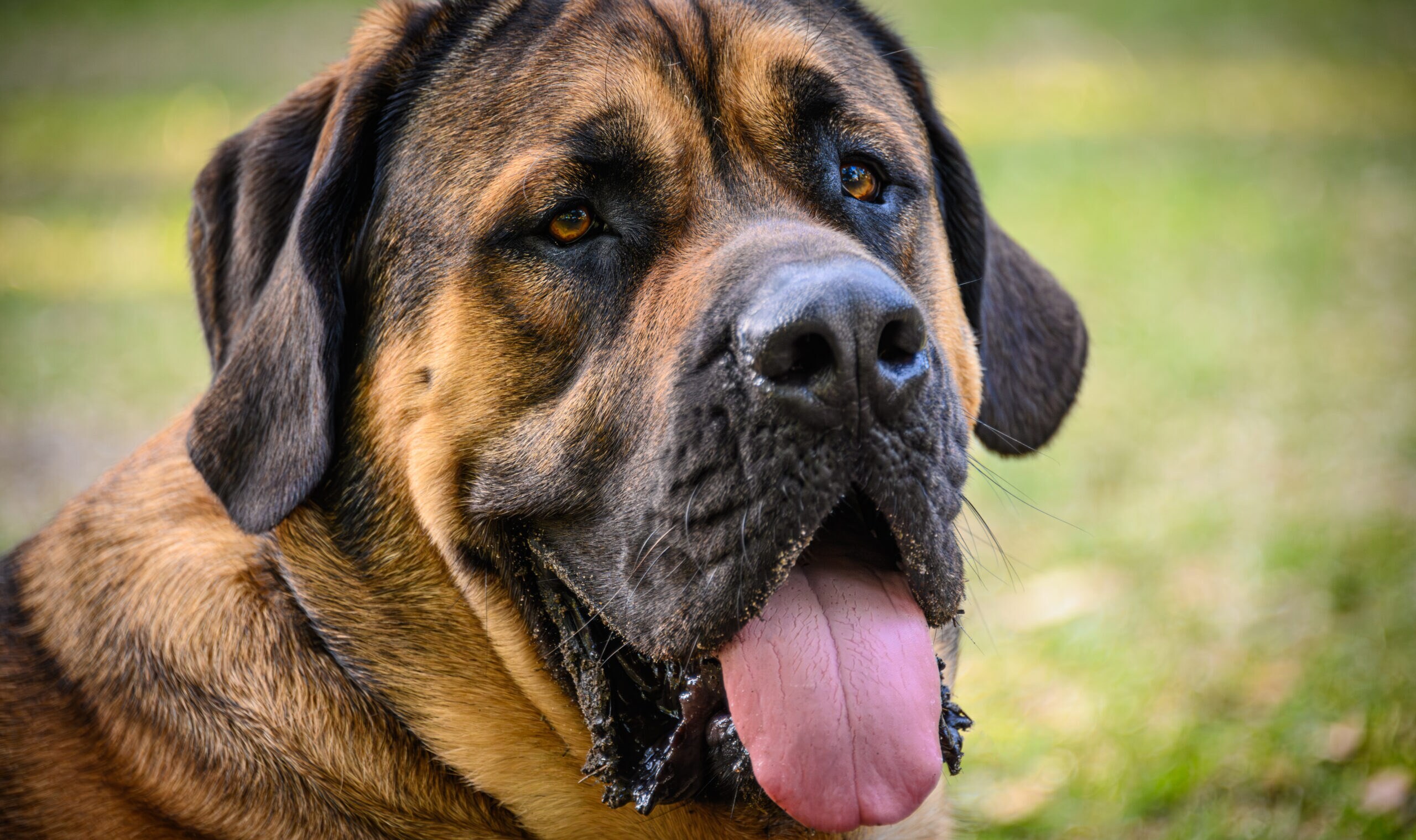
One of the largest and heaviest breeds. Massive head, broad chest, and powerful build. Short coat with a characteristic black mask. Their size alone is imposing, but their expression is gentle and dignified.
Temperament
Gentle, dignified, and surprisingly sensitive, the Mastiff is a calm, even-tempered giant. They are devoted to family and protective without being aggressive. Their mere presence is usually sufficient deterrent.
Personality Around Others
Gentle with family and especially children. Protective but not aggressive. Can be wary of strangers. Generally tolerant of other dogs. Surprisingly sensitive emotionally.
Exercise Needs
Low exercise needs. Moderate daily walks are sufficient. They are not high-energy and prefer moderate activity. Avoid exercising in heat—they overheat easily.
Training
Moderately trainable. They aim to please but can be stubborn. Positive reinforcement only—they are sensitive to harsh corrections. Early training while still manageable is crucial.
Grooming
Easy coat care—weekly brushing. Regular facial wrinkle cleaning. They drool heavily. Regular nail, ear, and dental care.
Health
Common Health Conditions
Prone to joint issues and bloat. Shorter lifespan typical of giant breeds. Cancer and heart disease are concerns. Regular health monitoring essential.
Recommended Health Tests
- Hip Evaluation
- Elbow Evaluation
- Cardiac Exam
- Ophthalmologist Evaluation
- Cystinuria DNA Test
Average Annual Vet Cost
$1,500-$3,000
Nutrition
Quality giant-breed food in smaller, frequent meals to prevent bloat. Careful puppy nutrition for slow growth. They eat a lot.
Living Environment
Need space due to size but are calm indoors. Not apartment dogs. Not suited for hot climates. A home with a yard is ideal.
Ideal Family
Experienced giant breed owners. Families with older children. Those comfortable with drool and size. Not for first-time owners.
Intelligence
Moderately intelligent. They understand expectations but may choose their own pace. Sensitive to their owners' emotions.
Barking
Frequency
Alert
Separation
Quiet Indoors
Very quiet breed. Rarely bark. Their massive size speaks for itself. They may bark briefly to alert.
Shedding
Year-Round
Seasonal
Vacuum Factor 🧹
Hypoallergenic
Moderate shedding. Weekly brushing manages their short coat easily.
Weather Tolerance
☀️
Heat
❄️
Cold
🌧️
Rain
🌨️
Snow
💧
Humidity
Breed Ratings
Fun Facts
The heaviest Mastiff ever recorded weighed 343 pounds
Mastiffs were brought to England by the Romans over 2,000 years ago
A Mastiff named Zorba held the Guinness record as the world's heaviest dog
They were used as war dogs in ancient battles
Famous Dogs
Zorba
English Mastiff who held the Guinness World Record as the heaviest dog at 343 pounds
Common Myths
"Mastiffs are aggressive guard dogs"
They are gentle giants that rely on their size rather than aggression
"They need lots of exercise"
They are low-energy dogs content with moderate daily walks
Frequently Asked Questions
How big do Mastiffs get?
Males typically weigh 160-230 lbs and stand 30+ inches tall. Some individuals exceed 200 lbs.
Do they drool?
Yes, they are heavy droolers, especially after eating, drinking, or exercise.
Puppy Guide
Puppies grow incredibly fast. Careful nutrition for joint development. Start training while still manageable. They are gentle from birth.
Senior Care
Senior Mastiffs commonly develop joint issues. Supportive bedding is essential. Gentle, short walks. Regular vet monitoring. Cherish their limited time.
Ownership Costs
Estimated Lifetime Cost
$18,000-$30,000
Pros and Cons
Pros
Gentle, calm temperament
Impressive natural deterrent
Quiet—rarely barks
Devoted and loyal
Cons
Very short lifespan
Enormous food and vet costs
Heavy drooling
Heat-intolerant