
Pomeranian
Also known as: Pom, Zwergspitz, Dwarf Spitz
Energy Level
Apartment Friendly
Weight (Male)
3–7 lbs
Height (Male)
6–7 inches
Quick Facts
Coat Colors
Breed Summary
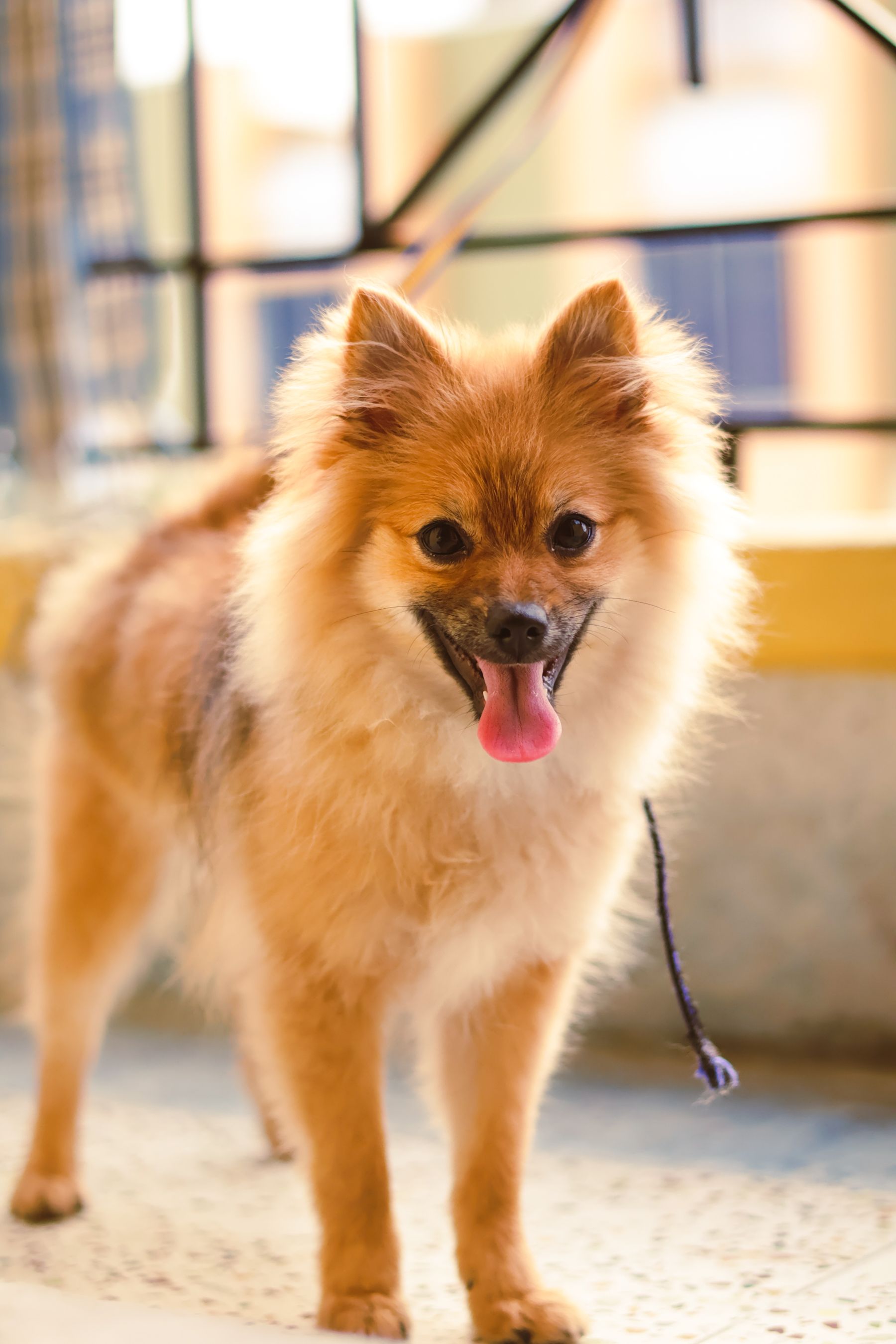
The Pomeranian is a tiny but spirited toy breed with a fox-like face and fluffy double coat. Despite their small size, Poms have big personalities and are known for their bold, curious nature. They make excellent companions and are surprisingly alert watchdogs.
History
Pomeranians descend from large sled dogs in the Pomerania region of northern Europe. They were bred down in size over centuries and became especially popular after Queen Victoria fell in love with the breed during a trip to Italy in 1888. Her influence helped reduce the breed's size from about 30 pounds to today's toy standard.
Appearance
Pomeranians have a compact, square body covered in a profuse double coat with a distinctive plumed tail that fans over their back. Their fox-like face features bright, dark eyes and small erect ears. Their abundant mane of fur around the chest and shoulders gives them a lion-like appearance.
Temperament
Pomeranians are vivacious, extroverted dogs that don't seem to realize how small they are. They are highly curious and love to explore, yet they're also content to curl up in a warm lap. Their intelligence makes them quick learners, though they can be stubborn.
Personality Around Others
Poms can be bossy with other dogs regardless of size. They are generally good with older children but their tiny size makes them fragile around toddlers. Early socialization helps them become more accepting of strangers, though they remain alert and sometimes yappy.
Exercise Needs
Low to moderate exercise needs — short walks and indoor play sessions are sufficient. They enjoy learning tricks and can excel in toy-level agility. About 30 minutes of activity daily keeps them healthy and happy.
Training
Intelligent and eager to please, Pomeranians respond well to positive reinforcement training. They can be stubborn and may develop small dog syndrome if not trained consistently. Housetraining can be challenging. Consistency and patience are key.
Grooming
Their luxurious double coat requires brushing at least twice weekly to prevent matting. They shed moderately year-round with heavier seasonal blowing. Professional grooming every 4–6 weeks is recommended. Dental care is essential as toy breeds are prone to dental issues.
Health
Common Health Conditions
Generally healthy with good longevity. Dental disease is very common and requires regular professional cleaning. Luxating patellas and tracheal collapse are the most significant concerns. Their small size makes them susceptible to hypoglycemia as puppies.
Recommended Health Tests
- Patellar Evaluation
- Cardiac Exam
- Ophthalmologist Evaluation
Average Annual Vet Cost
$400–$1,000
Nutrition
Feed a high-quality toy-breed formula. Poms need about ¼–½ cup daily divided into 2–3 small meals. Monitor weight carefully — even small amounts of excess weight strain their tiny frames. Dental-friendly foods help with oral health.
Living Environment
Ideal apartment dogs due to their small size. They adapt well to any living situation but can be barky, which may be an issue in noise-sensitive housing. Sensitive to heat due to their thick coat. Climate-controlled environments preferred.
Ideal Family
Best for individuals, couples, or families with older children. Excellent companions for seniors and apartment dwellers. Not ideal for families with very young children due to their fragile size.
Intelligence
Pomeranians rank in the top 30 for canine intelligence. They are quick learners who enjoy mental stimulation through puzzle toys and trick training. Their alertness and curiosity drive them to explore their environment.
Barking
Frequency
Alert
Separation
Quiet Indoors
Pomeranians are vocal dogs and can be excessive barkers. They tend to alert bark at anything unusual. Teaching a 'quiet' command early is essential.
Shedding
Year-Round
Seasonal
Vacuum Factor 🧹
Hypoallergenic
Moderate to heavy shedding, especially during seasonal coat changes. Regular brushing helps manage loose fur. Despite their small size, they produce a surprising amount of hair.
Weather Tolerance
☀️
Heat
❄️
Cold
🌧️
Rain
🌨️
Snow
💧
Humidity
Breed Ratings
Fun Facts
Two Pomeranians were among only three dogs known to have survived the Titanic.
Michelangelo reportedly had a Pomeranian who watched him paint the Sistine Chapel.
Mozart dedicated an aria to his Pomeranian named Pimperl.
They were originally much larger, weighing up to 30 pounds.
Sir Isaac Newton's Pomeranian reportedly chewed up many of his manuscripts.
Famous Dogs
Boo
Once called 'the world's cutest dog' with millions of social media followers
Jiff
Guinness World Record holder for fastest dog on two paws
Queen Victoria's Marco
Helped popularize the smaller Pomeranian size
Common Myths
"Pomeranians are too fragile for real exercise."
While small, Pomeranians are sturdy for their size and enjoy walks, play, and even agility courses designed for small breeds.
"They're just yappy lap dogs."
Pomeranians are intelligent, trainable dogs that excel in obedience and tricks. Their barking can be managed with proper training.
Frequently Asked Questions
Are Pomeranians good for first-time dog owners?
Yes, with some caveats. They're intelligent and adaptable but can be stubborn about housetraining. First-time owners should commit to consistent positive training.
How much do Pomeranians bark?
Pomeranians are naturally vocal and will bark to alert. Training a 'quiet' command from puppyhood helps manage excessive barking.
Adoption Tips
Look for Pomeranians in breed-specific rescues. Many adult Poms end up in rescue due to owners underestimating their grooming and training needs. Rescued Poms can make wonderful companions.
Puppy Guide
Pomeranian puppies are extremely tiny and fragile. Supervise all interactions with children and larger pets. Feed small, frequent meals to prevent hypoglycemia. Begin socialization early. Start grooming routines young.
Senior Care
Senior Pomeranians may develop dental issues, joint problems, and vision changes. Switch to senior-formula food. Maintain dental care and provide soft bedding. Regular vet checkups become more important.
Ownership Costs
Estimated Lifetime Cost
$12,000–$20,000
Pros and Cons
Pros
Compact size perfect for apartments
Intelligent and trainable
Long lifespan
Loyal and devoted companion
Good watchdog despite small size
Cons
Can be excessive barkers
Fragile — not ideal with small children
High grooming maintenance
Prone to dental problems
Can develop small dog syndrome