
Pointer
Also known as: English Pointer, Bird Dog
Energy Level
Apartment Friendly
Weight (Male)
55–75 lbs
Height (Male)
25–28 inches
Quick Facts
Coat Colors
Breed Summary
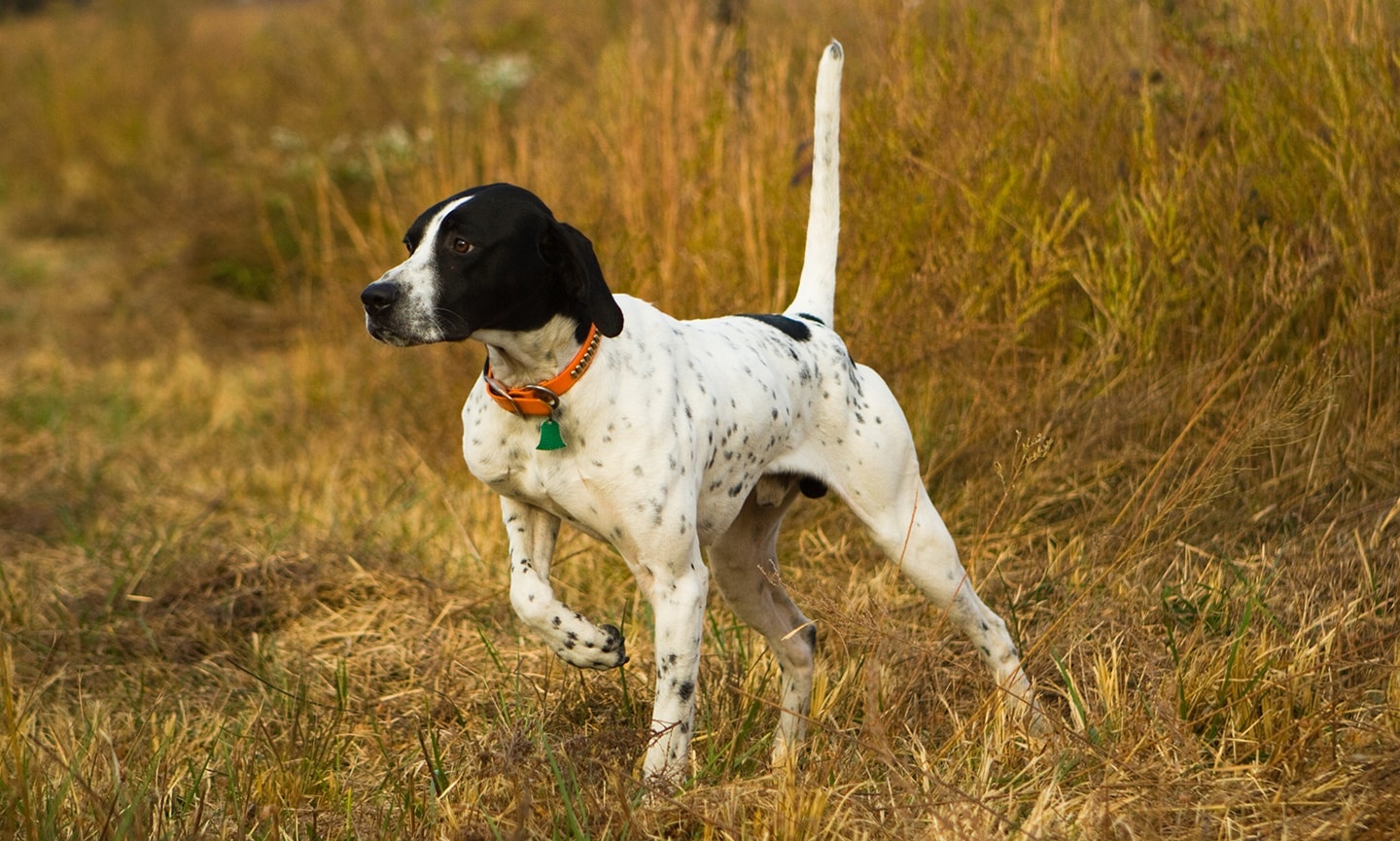
The Pointer is the classic bird dog, combining grace, speed, and an intense pointing instinct into one elegant package. Known for their aristocratic bearing and incredible stamina, they are among the finest gun dogs ever developed.
History
Developed in England in the 1600s from Spanish Pointers, Foxhounds, and Greyhounds. They were refined to become the quintessential bird dog, prized for their ability to locate and point game with statuesque intensity.
Appearance
Elegant and athletic with a smooth, short coat and a muscular, streamlined body built for speed. Their noble head and intense, alert expression convey their aristocratic bearing. Clean lines throughout.
Temperament
Loyal, hardworking, and dignified with a competitive spirit in the field. At home, Pointers are gentle, affectionate companions who can switch from intense worker to couch companion.
Personality Around Others
Friendly with people and other dogs. Generally good with children. Their gentle nature makes them poor watchdogs but excellent family dogs.
Exercise Needs
Very high exercise needs — at least 1.5–2 hours of vigorous daily activity. They need running, not just walking. Ideal for runners and active outdoor enthusiasts.
Training
Intelligent and willing to please in the field. Respond to positive, patient methods. Can be sensitive and may shut down with harsh corrections.
Grooming
Minimal grooming needed. Brush weekly. Their short, smooth coat is very low-maintenance. Regular nail trims and ear cleaning.
Health
Common Health Conditions
Very healthy, long-lived breed. Hip and eye evaluations are recommended. Their active lifestyle helps maintain fitness.
Recommended Health Tests
- Hip Evaluation
- Ophthalmologist Evaluation
- Thyroid Evaluation
Average Annual Vet Cost
$300–$700
Nutrition
High-quality food for large active breeds. About 2–3 cups daily in two meals. Active dogs may need calorie-dense food.
Living Environment
Need a house with a large yard or rural setting. Not apartment dogs. They need room to run and stretch their legs.
Ideal Family
Best for very active families, runners, and hunters. Great with children. Not ideal for sedentary households.
Intelligence
Highly intelligent with incredible instincts in the field. They can locate game at great distances and point with unwavering focus.
Barking
Frequency
Alert
Separation
Quiet Indoors
Generally quiet dogs. They are not excessive barkers. Alert to unusual activity but dignified in their responses.
Shedding
Year-Round
Seasonal
Vacuum Factor 🧹
Hypoallergenic
Light to moderate shedding. Their short, smooth coat is easy to maintain and doesn't create significant hair problems.
Weather Tolerance
☀️
Heat
❄️
Cold
🌧️
Rain
🌨️
Snow
💧
Humidity
Breed Ratings
Fun Facts
Pointers can detect game birds from over 100 yards away.
They were one of the first AKC breeds, recognized in 1878.
Their pointing instinct is so strong that puppies will point instinctively without training.
Westminster Kennel Club was originally founded as a Pointer club.
A Pointer's point is so statuesque they appear frozen in place.
Famous Dogs
Dorina
Famous Westminster show dog in the early years of the competition
Sensation
The iconic Pointer featured on the Westminster Kennel Club logo
Common Myths
"Pointers are only for hunters."
While excellent hunting dogs, Pointers make wonderful family companions for active households. Their gentle nature and loyalty shine in home settings.
"They can't be house dogs."
Pointers are surprisingly calm indoors when properly exercised. They enjoy lounging with their families after a good run.
Frequently Asked Questions
Do Pointers point naturally?
Yes! The pointing instinct is deeply bred into them. Even young puppies will often point instinctively when they detect interesting scents.
How much exercise do they need?
A lot — at least 1.5–2 hours of vigorous activity daily. Running, not just walking, is essential. They make excellent jogging and cycling partners.
Puppy Guide
Pointer puppies are very energetic and may point instinctively. Start training early. Provide plenty of exercise and safe areas to run.
Senior Care
Senior Pointers may slow down but remain active. Monitor for joint issues and hypothyroidism. Continue moderate exercise.
Ownership Costs
Estimated Lifetime Cost
$14,000–$22,000
Pros and Cons
Pros
Exceptional bird dog abilities
Very healthy and long-lived
Low-maintenance coat
Gentle, friendly temperament
Elegant, beautiful appearance
Cons
Extremely high exercise needs
Not suited for apartment living
Can be sensitive
Strong prey drive
Needs running, not just walking