
Bulldog
También conocido como: English Bulldog, British Bulldog
Nivel de Energía
Apto Apartamento
Peso (Macho)
50 lbs (23 kg)
Altura (Macho)
14–15 inches (36–38 cm)
Datos Rápidos
Colores de Pelaje
Resumen de la Raza
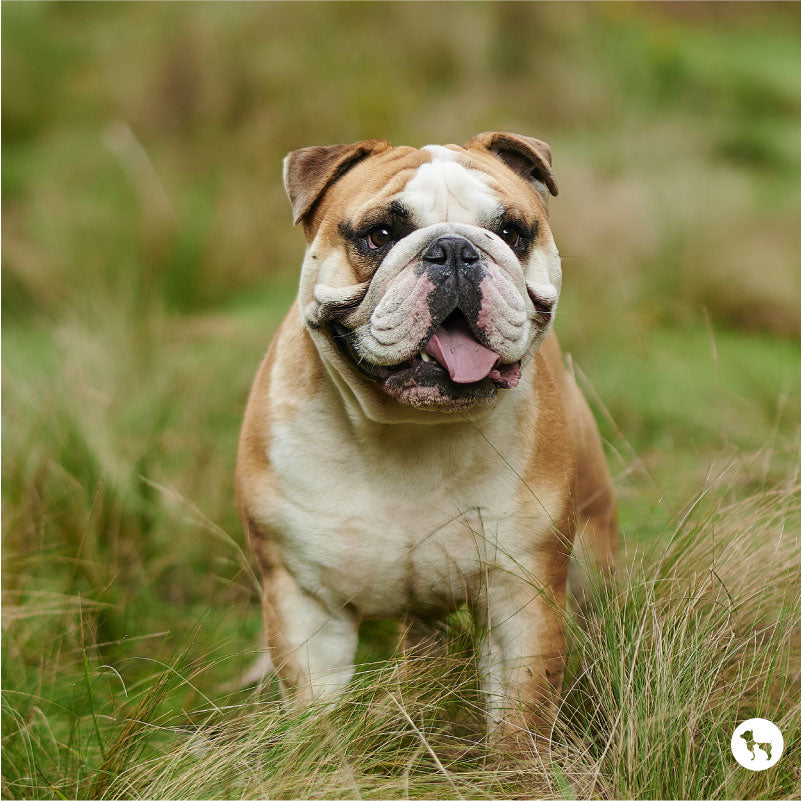
El Bulldog es una raza icónica que se ha transformado de un feroz gladiador de peleas contra toros en uno de los perros de compañía más gentiles y cariñosos que existen. Con su distintiva cara arrugada, nariz chata y cuerpo musculoso y bajo, el Bulldog es reconocible al instante y adorado universalmente.
El Bulldog de hoy está muy lejos de sus agresivos ancestros. Los Bulldogs modernos son perros tranquilos, valientes y amigables que forman lazos increíblemente fuertes con sus familias. Son excelentes con los niños, adaptables a la vida en apartamentos y tienen una personalidad digna y, a veces, cómicamente testaruda.
Los mayores desafíos de la raza giran en torno a la salud: el síndrome braquicefálico, los problemas articulares y los problemas de la piel requieren un cuidado diligente. Pero para los propietarios dispuestos a gestionar estas necesidades, el Bulldog los recompensa con una lealtad inquebrantable y una personalidad que es a la vez majestuosa y ridícula de la mejor manera posible.
Historia
Los orígenes del Bulldog se encuentran entre los más dramáticos del mundo canino. Criados en la Inglaterra del siglo XIII específicamente para el bull-baiting —un brutal deporte de sangre en el que los perros atacaban a toros atados—, los Bulldogs originales eran feroces, resistentes al dolor y extraordinariamente tenaces. Sus caras planas les permitían respirar mientras sujetaban al toro, y su cuerpo bajo los mantenía firmes contra los cuernos del toro.
Cuando el bull-baiting fue prohibido en Inglaterra en 1835, el Bulldog se enfrentó a la extinción, ya que su único propósito había sido ilegalizado. Entusiastas dedicados de la raza intervinieron, criando selectivamente para la compañía en lugar de la agresión. A lo largo de varias generaciones, el temperamento de la raza se transformó por completo de un luchador feroz a un perro familiar gentil.
El AKC reconoció al Bulldog en 1886, convirtiéndolo en una de las primeras razas registradas. Hoy en día, el Bulldog sirve como mascota del Cuerpo de Marines de los Estados Unidos, de más de 40 universidades y de la propia nación de Inglaterra, un testimonio de su simbolismo de determinación y coraje.
Apariencia
El Bulldog es inconfundible: de constitución robusta, bajo, compacto y ancho, con una cabeza maciza de cara corta. Los machos pesan alrededor de 50 pounds, las hembras alrededor de 40 pounds, y miden solo de 14-15 inches de altura. La cabeza es enorme en proporción al cuerpo, con un cráneo ancho y plano y arrugas faciales pronunciadas. La mandíbula inferior sobresale notablemente (mordida prognata), y la distintiva nariz chata crea la expresión de "cara de pocos amigos" característica de la raza.
El cuerpo es pesado, grueso y bajo, con un pecho y hombros anchos. El distintivo "lomo de cucaracha" se eleva ligeramente detrás de los hombros. La cola es naturalmente corta, ya sea recta o en espiral. El pelaje es corto, liso y brillante.
Temperamento
Los Bulldogs son tranquilos, dignos y, a veces, cómicamente testarudos. Se vinculan profundamente con sus familias y son notablemente pacientes con los niños. A pesar de su herencia feroz, los Bulldogs modernos son perros gentiles y amigables que rara vez muestran agresividad. Tienen una confianza tranquila y una actitud de "lo haré cuando esté listo" que es a la vez entrañable y exasperante. Los Bulldogs no son perros de alta energía; disfrutan de breves momentos de juego seguidos de largas siestas. Su lealtad a la familia es absoluta y defenderán su posición si perciben una amenaza, a pesar de su preferencia por la comodidad antes que la confrontación.
Personalidad con Otros
Los Bulldogs son generalmente buenos con todos. Son famosamente pacientes con los niños: su constitución robusta puede soportar juegos bruscos y su naturaleza gentil significa que rara vez reaccionan de manera negativa. Por lo general, aceptan a otros perros, aunque algunos Bulldogs pueden ser territoriales. Los gatos suelen ser tolerados. A los extraños se les recibe con una curiosidad tranquila en lugar de entusiasmo o agresión. Los propietarios de la tercera edad encuentran en los Bulldogs compañeros ideales debido a su baja energía y naturaleza afectuosa.
Necesidades de Ejercicio
Los Bulldogs necesitan sorprendentemente poco ejercicio: de 15 a 30 minutes de actividad suave al día es suficiente. Los paseos cortos y tranquilos en climas frescos son ideales. NUNCA ejercite a un Bulldog con calor o humedad; su anatomía braquicefálica los hace extremadamente susceptibles a los golpes de calor. Evite las escaleras, los saltos y las actividades de alto impacto que estresen sus articulaciones y columna vertebral. El juego en interiores y los juguetes de rompecabezas proporcionan estimulación mental sin esfuerzo físico.
Entrenamiento
Los Bulldogs son inteligentes pero notoriamente testarudos. El entrenamiento requiere paciencia, consistencia y una motivación creativa; las recompensas de comida son esenciales. Mantenga las sesiones cortas (de 5-10 minutes), divertidas y variadas. Los Bulldogs se bloquearán si se sienten presionados o aburridos. El entrenamiento para ir al baño puede tomar de 4-6 months. Utilice únicamente el refuerzo positivo; los métodos severos son contraproducentes con esta raza de exterior rudo pero sensible por dentro.
Aseo
Los Bulldogs necesitan un aseo moderado con especial atención a sus arrugas faciales. Limpie entre las arrugas DIARIAMENTE con un paño húmedo para prevenir infecciones bacterianas y por levaduras; esta es la tarea de aseo más importante. Cepille semanalmente con un cepillo de cerdas suaves. Bañe cada 4-6 weeks. Limpie el bolsillo de la cola (pliegue de la piel debajo de la cola) con regularidad. La limpieza de oídos semanal, el corte de uñas cada 2-3 weeks y el cuidado dental completan la rutina.
Salud
Condiciones Comunes
Los Bulldogs tienen desafíos de salud significativos relacionados principalmente con su estructura braquicefálica. El BOAS causa dificultades respiratorias, ronquidos e intolerancia al ejercicio. La dermatitis de los pliegues de la piel requiere una limpieza diaria de las arrugas para prevenirla. Los problemas articulares y espinales son comunes debido a su constitución pesada y compacta. El golpe de calor es un peligro constante en climas cálidos. La mayoría de los Bulldogs requieren cesárea para el parto. A pesar de estos desafíos, los Bulldogs bien cuidados pueden vivir vidas saludables y felices de 8-10 years.
Pruebas de Salud Recomendadas
- Evaluación de Cadera
- Examen Cardíaco
- Evaluación Patelar
- Radiografía de Hipoplasia Traqueal
- Evaluación de BOAS
Costo Veterinario Anual Promedio
$1,000–$2,500
Nutrición
Los Bulldogs son propensos a la obesidad, lo que empeora los problemas respiratorios y articulares. Los adultos suelen necesitar de 1,000-1,300 calorías diarias. Aliméntelos dos veces al día con porciones medidas; nunca deje comida a libre disposición. Use platos de alimentación lenta para evitar que traguen aire, lo que causa gases y distensión abdominal. Muchos Bulldogs tienen alergias alimentarias; pueden ser necesarias dietas de ingredientes limitados. Los ácidos grasos Omega ayudan a la salud de la piel, algo fundamental para una raza propensa a las arrugas.
Entorno de Vida
Los Bulldogs son excelentes perros de apartamento: tranquilos, silenciosos y de baja energía en interiores. El aire acondicionado es absolutamente esencial; los Bulldogs no toleran el calor. Deben vivir principalmente en interiores en un ambiente climatizado. Se necesita un espacio mínimo de patio. Evite casas con muchas escaleras, que estresan las articulaciones y la columna vertebral del Bulldog. El ambiente ideal es un espacio interior fresco y cómodo con fácil acceso a una pequeña área al aire libre.
Familia Ideal
Los Bulldogs son ideales para familias tranquilas, personas mayores, habitantes de apartamentos y cualquiera que desee un compañero de baja energía pero profundamente cariñoso. Excelentes con niños de todas las edades. Perfectos para personas hogareñas y que disfrutan de estilos de vida relajados. NO son ideales para propietarios activos o enfocados en actividades al aire libre, residentes de climas cálidos sin aire acondicionado o propietarios con presupuesto limitado (los costos veterinarios son altos).
Inteligencia
Los Bulldogs ocupan aproximadamente el puesto 77 en inteligencia canina, pero esto refleja su terquedad más que su incapacidad para aprender. Entienden bien las órdenes, pero deciden si obedecer en función de su propia evaluación de la situación. Su capacidad para resolver problemas es moderada, y su inteligencia emocional (leer las emociones humanas y brindar consuelo) es sorprendentemente alta.
Ladrido
Frecuencia
Alerta
Separación
Silencio Interior
Los Bulldogs son perros silenciosos que rara vez ladran sin motivo. Gruñen, resoplan y jadean más de lo que ladran. Esto los convierte en excelentes perros de apartamento y buenos vecinos.
Muda de Pelo
Todo el Año
Estacional
Factor Aspiradora
Hipoalergénico
Los Bulldogs mudan de pelo moderadamente. Su pelaje corto produce una pérdida de pelo notable pero manejable. El cepillado regular lo mantiene bajo control. No es tan abundante como en las razas de doble capa.
Tolerancia Climática
☀️
Calor
❄️
Frío
🌧️
Lluvia
🌨️
Nieve
💧
Humedad
Calificaciones de la Raza
Datos Curiosos
Los Bulldogs son la mascota oficial del Cuerpo de Marines de los EE. UU.
Más de 40 universidades de EE. UU. utilizan al Bulldog como su mascota.
La raza ha sido completamente reinventada: los Bulldogs modernos no se parecen en nada a sus ancestros de pelea contra toros.
La mayoría de los Bulldogs no pueden nadar debido a su constitución densa y pesada en la parte delantera.
Winston Churchill era a menudo comparado con un Bulldog, aunque en realidad tenía Poodles.
Los Bulldogs son conocidos por andar en patineta; varios se han vuelto virales por este talento inusual.
La raza no puede reproducirse naturalmente en la mayoría de los casos: el 90% requiere cesáreas.
Los Bulldogs roncan más fuerte que muchos humanos debido a su paladar blando alargado.
Perros Famosos
Handsome Dan
Mascota de la Universidad de Yale desde 1889: la primera mascota universitaria viva en América
Tillman
Poseedor del récord mundial Guinness para el perro más rápido en patineta
Uga
La querida línea de mascotas Bulldog vivas de la Universidad de Georgia desde 1956
Spike
El famoso Bulldog de las caricaturas de Tom y Jerry
Mitos Comunes
"Los Bulldogs son agresivos debido a su herencia de lucha."
Los Bulldogs modernos han sido criados durante más de 180 años específicamente para tener temperamentos gentiles y amigables. Se encuentran entre las razas de perros menos agresivas.
"Los Bulldogs son perezosos."
Aunque son de baja energía, los Bulldogs disfrutan del juego y de los paseos cortos. Sus limitaciones suelen ser físicas (dificultades respiratorias) más que de motivación.
"Todos los Bulldogs tienen una salud terrible."
Aunque la raza tiene predisposiciones, los Bulldogs bien criados de padres con pruebas de salud pueden vivir vidas cómodas. La cría responsable está mejorando la salud de la raza.
Preguntas Frecuentes
¿Son los Bulldogs buenos con los niños?
¡Excelente! Los Bulldogs son pacientes, gentiles y lo suficientemente robustos como para soportar el juego de los niños. Son una de las razas más recomendadas para familias con niños.
¿Pueden nadar los Bulldogs?
No. Al igual que los French Bulldogs, su estructura pesada y cargada hacia adelante hace que nadar sea peligroso. Supervise siempre cerca del agua.
¿Cuánto ejercicio necesita un Bulldog?
Solo de 15-30 minutes de actividad suave al día. Evite el calor y la humedad. Los paseos cortos y tranquilos en climas frescos son ideales.
¿Babean mucho los Bulldogs?
Moderadamente. Babean más que el promedio, especialmente después de beber agua y comer. Tenga un paño a mano.
¿Por qué son tan costosos los Bulldogs?
Las dificultades de cría (inseminación artificial, cesáreas), las extensas pruebas de salud y la alta demanda elevan los precios.
Consejos de Adopción
Los rescates de Bulldogs incluyen la Bulldog Club of America Rescue Network y rescates regionales de Bulldogs. Muchos Bulldogs son entregados debido a costos de salud inesperados. Pregunte minuciosamente sobre el historial médico, la capacidad respiratoria y los problemas de la piel. Presupueste para la atención médica continua. Los Bulldogs adultos de rescates pueden ser alternativas maravillosas y de menor costo en comparación con la compra.
Guía de Cachorro
Los cachorros de Bulldog son adorables pero frágiles. Nunca los ejercite con calor. La socialización antes de las 16 weeks genera confianza. Aliméntelos con comida para cachorros de razas pequeñas de 3-4 veces al día hasta los 6 months. Comience las rutinas de limpieza de arrugas de inmediato. El entrenamiento para ir al baño requiere paciencia (de 4-6 months). Evite los saltos y las escaleras para proteger las articulaciones en desarrollo. El crecimiento se completa a los 12-14 months.
Cuidado de Adulto Mayor
Los Bulldogs se consideran de la tercera edad a los 6-7 years debido a su menor esperanza de vida. Los suplementos para las articulaciones se vuelven esenciales. La respiración puede empeorar; monitoréela de cerca. Mantenga un peso óptimo. Visitas regulares al veterinario cada 6 months con análisis de sangre completos. Las camas ortopédicas son importantes para la comodidad de las articulaciones. Mantenga el ejercicio suave pero constante.
Razas Similares
French Bulldog
Más pequeño, más activo, con orejas de murciélago. Preocupaciones braquicefálicas similares pero ligeramente menos problemas articulares.
American Bulldog
Más grande, más atlético, con menos problemas respiratorios. Más activo y necesita más ejercicio.
Pug
Mucho más pequeño con un encanto similar de cara plana. Preocupaciones de salud similares pero aún más portátil.
Boston Terrier
"Perro de esmoquin" más ligero y atlético. Menos problemas de salud pero estructura braquicefálica similar.
Costos de Propiedad
Costo Estimado de por Vida
$20,000–$40,000
Pros y Contras
Ventajas
Increíblemente gentiles y pacientes con los niños
Bajas necesidades de ejercicio: perfectos para propietarios tranquilos
Personalidad tranquila y digna
Excelente perro de apartamento
Silencioso: ladridos mínimos
Leal y profundamente vinculado a la familia
Apariencia icónica
Bueno para propietarios primerizos
Desventajas
Problemas de salud significativos (BOAS, articulaciones, piel)
Esperanza de vida muy corta (8-10 years)
Intolerancia extrema al calor
Altos costos veterinarios
No pueden nadar: riesgo de ahogamiento
Testarudos y difíciles de entrenar
Babeo y flatulencias excesivos
Se requiere limpieza diaria de arrugas