
French Bulldog
También conocido como: Frenchie, Bouledogue Français
Nivel de Energía
Apto Apartamento
Peso (Macho)
20–28 lbs (9–13 kg)
Altura (Macho)
11–13 inches (28–33 cm)
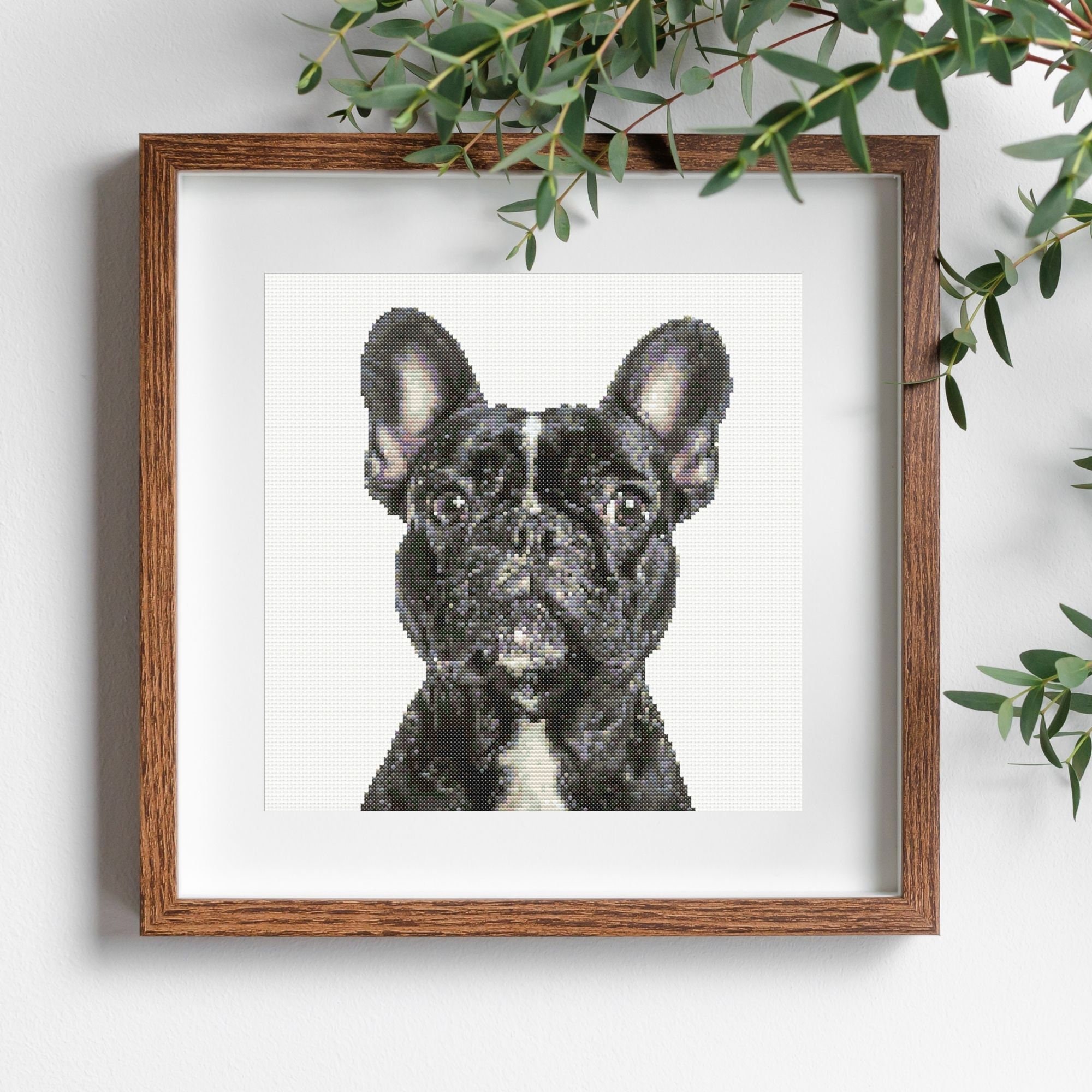
Datos Rápidos
Colores de Pelaje
Resumen de la Raza
El French Bulldog se ha disparado hasta convertirse en una de las razas de perros más populares del mundo, y en 2022 destronó al Labrador Retriever del primer puesto en los registros del AKC por primera vez en 31 años. Con sus icónicas orejas de murciélago, su cuerpo compacto y musculoso, y su personalidad infinitamente entretenida, el Frenchie ha cautivado los corazones de los habitantes de las ciudades y de las celebridades por igual.
Criado originalmente como perro de compañía para los trabajadores del encaje ingleses que emigraron a Francia durante la Revolución Industrial, el French Bulldog fue diseñado desde el principio con un único propósito: la compañía. Son adaptables, dóciles y notablemente sintonizados con las emociones de sus dueños, lo que los hace ideales tanto para la vida en apartamentos como para dueños solteros y familias.
Los mayores puntos fuertes de la raza son sus bajos requisitos de ejercicio, su tamaño manejable y su personalidad cómica que mantiene a los dueños constantemente entretenidos. Sin embargo, los futuros propietarios deben ser conscientes de los importantes problemas de salud relacionados con la estructura braquicefálica (de cara plana) de la raza, que puede provocar dificultades respiratorias, intolerancia al calor y costosas facturas veterinarias.
Historia
La historia del French Bulldog comienza en el Nottingham del siglo XIX, Inglaterra, donde los trabajadores del encaje criaban Bulldogs en miniatura como calentadores de regazo y compañeros. Cuando la Revolución Industrial desplazó a estos trabajadores al norte de Francia, se llevaron a sus pequeños Bulldogs con ellos. En Francia, los pequeños Bulldogs se cruzaron con cazadores de ratas locales y posiblemente con terriers, desarrollando las distintivas orejas de murciélago que se convirtieron en la marca registrada de la raza.
Los franceses se enamoraron de estos perros compactos y sociables. La sociedad parisina los adoptó y se convirtieron en elementos fijos en cafés, estudios de artistas y hogares de mujeres de la alta sociedad. A finales de la década de 1800, la raza se había establecido con su propia identidad, diferente de su ancestro English Bulldog.
Los turistas estadounidenses descubrieron la raza en Francia y comenzaron a importarlos a los Estados Unidos. El French Bull Dog Club of America se fundó en 1897, y el AKC reconoció a la raza en 1898. Cabe destacar que fueron los criadores estadounidenses quienes insistieron en la oreja de murciélago como estándar de la raza, en contra de las preferencias francesas por la oreja en rosa.
En 2022, el French Bulldog se convirtió en la raza número 1 más popular en América, poniendo fin al reinado de 31 años del Labrador Retriever.
Apariencia
El French Bulldog es compacto, musculoso y de huesos pesados, con un pelaje liso y las características orejas de murciélago. Por lo general, miden de 11 a 13 inches de altura y pesan menos de 28 pounds. La cabeza es grande y cuadrada, con un cráneo plano, hocico corto y arrugas prominentes y redondeadas en la frente. Las icónicas "orejas de murciélago" son anchas en la base, alargadas y de implantación alta en la cabeza, la característica más reconocible de la raza.
El cuerpo es corto, compacto y bien musculoso, con una espalda de carpa (ligeramente arqueada detrás de los hombros). La cola es naturalmente corta, ya sea recta o en espiral, y se lleva baja. El pecho es ancho y profundo, lo que le da al Frenchie una apariencia robusta y firme.
El pelaje es corto, liso y brillante, requiriendo un aseo mínimo. Los colores aceptados incluyen atigrado, leonado, blanco, crema y combinaciones de estos. La piel es suave y holgada, particularmente en la cabeza y los hombros, formando arrugas características.
Temperamento
Los French Bulldogs son los payasos del mundo canino: infinitamente entretenidos, notablemente adaptables y profundamente devotos de su gente. Poseen una inteligencia emocional casi humana, pareciendo comprender y responder a los estados de ánimo de sus dueños con una precisión asombrosa. Los Frenchies no son perros hiperactivos; disfrutan del juego pero se sienten igualmente contentos descansando en el sofá. Este equilibrio entre alegría y relajación es lo que los convierte en perros ideales para apartamentos.
A pesar de su pequeño tamaño, los Frenchies tienen personalidades sorprendentemente grandes. Pueden ser tercos durante el entrenamiento, pero se les gana fácilmente con comida y afecto. Son alertas y ladrarán para anunciar visitas, pero no son perros ruidosos. Sus rostros expresivos, con esos ojos expresivos y orejas móviles, comunican una gama de emociones que los dueños encuentran irresistible.
Personalidad con Otros
Los Frenchies son generalmente buenos con todos. Adoran a los niños y son lo suficientemente robustos como para soportar el juego con niños mayores. Con los bebés, su naturaleza gentil brilla, aunque siempre se recomienda la supervisión. Otros perros suelen ser bienvenidos, aunque algunos Frenchies pueden ser posesivos con sus dueños. Los gatos generalmente son aceptados, especialmente cuando se crían juntos. A los extraños se les recibe con curiosidad y amabilidad; los Frenchies no son perros agresivos. Los dueños de la tercera edad se adaptan particularmente bien a los Frenchies debido a sus bajas necesidades de ejercicio y su naturaleza afectuosa.
Necesidades de Ejercicio
Los French Bulldogs tienen requisitos de ejercicio modestos: de 15 a 30 minutes de actividad diaria son suficientes. Los paseos cortos, las sesiones de juego en el interior y los juguetes de rompecabezas los mantienen felices. CRÍTICO: Los Frenchies son extremadamente sensibles al calor debido a su anatomía braquicefálica. Nunca los ejercite en condiciones de calor o humedad. Evite la actividad física intensa; no son compañeros para correr o hacer senderismo. Nadar es peligroso para los Frenchies, ya que su pesada parte delantera hace que se hundan. Supervise siempre cerca del agua y use un chaleco salvavidas si está cerca de piscinas.
Entrenamiento
Los French Bulldogs son inteligentes pero famosamente tercos. El entrenamiento requiere paciencia, consistencia y abundantes recompensas de comida. Las sesiones cortas de 5-10 minutes funcionan mejor; los Frenchies pierden el interés rápidamente. El refuerzo positivo es esencial; las correcciones severas harán que un Frenchie se bloquee por completo. El entrenamiento para ir al baño puede ser un desafío y puede tomar de 4-6 meses. El entrenamiento en jaula es muy recomendable. A pesar de su terquedad, los Frenchies pueden aprender una amplia gama de comandos y trucos cuando están motivados por golosinas.
Aseo
El aseo del Frenchie es mínimo: un cepillado semanal con un cepillo de cerdas suaves mantiene el pelaje limpio y brillante. Baños cada 4-6 weeks o según sea necesario. La tarea de aseo CRÍTICA es limpiar las arrugas faciales diariamente para prevenir infecciones bacterianas y por levaduras. Use un paño húmedo o una toallita suave entre las arrugas y luego seque bien. Limpieza de oídos semanalmente; esas orejas de murciélago acumulan suciedad. Recorte de uñas cada 2-3 weeks. El cuidado dental es importante, ya que los Frenchies son propensos al apiñamiento dental.
Salud
Condiciones Comunes
La estructura braquicefálica del French Bulldog genera importantes desafíos de salud. El BOAS afecta a la mayoría de los Frenchies en algún grado, causando dificultades respiratorias, ronquidos e intolerancia al ejercicio. Los casos graves pueden requerir cirugía. Los problemas de columna (IVDD, hemivértebras) son comunes debido al cuerpo compacto de la raza. Las alergias cutáneas son extremadamente frecuentes y a menudo requieren un manejo de por vida. El golpe de calor es un riesgo constante; los Frenchies no pueden regular la temperatura corporal de manera eficiente. Los desafíos reproductivos significan que la mayoría de los Frenchies requieren inseminación artificial y partos por cesárea, lo que contribuye a su alto precio de compra.
Pruebas de Salud Recomendadas
- Evaluación de Cadera
- Examen Cardíaco
- Evaluación Patelar
- Evaluación Oftalmológica
- Evaluación de BOAS
Costo Veterinario Anual Promedio
$800–$2,000
Nutrición
Los French Bulldogs necesitan una nutrición cuidadosamente controlada para prevenir la obesidad, que empeora los problemas respiratorios. Los adultos suelen requerir de 600-900 calorías diarias. Aliméntelos con una fórmula de alta calidad para razas pequeñas dos veces al día. Muchos Frenchies tienen alergias alimentarias; puede ser necesario utilizar dietas de ingredientes limitados. Evite alimentos con alérgenos comunes (pollo, trigo, soya). Los ácidos grasos omega favorecen la salud de la piel. Use comederos lentos ya que los Frenchies comen rápido, lo que aumenta el riesgo de gases y distensión abdominal.
Entorno de Vida
Los French Bulldogs son los perros de apartamento por excelencia: califican 9/10 para la vida en apartamentos. Sus bajas necesidades de ejercicio, su comportamiento tranquilo y su tamaño pequeño los hacen perfectos para la vida en la ciudad. El aire acondicionado es esencial; los Frenchies no toleran el calor ni la humedad. Nunca deben vivir principalmente al aire libre. La tolerancia al frío es moderada; se necesita un suéter en invierno. Necesitan un ambiente interior cómodo con un espacio fresco y climatizado.
Familia Ideal
Los Frenchies son ideales para habitantes de apartamentos, personas mayores, parejas, solteros y familias con niños mayores. Se adaptan a personas que desean un perro de compañía sin altas exigencias de ejercicio. Su naturaleza tranquila en interiores los hace perfectos para profesionales que trabajan desde casa. NO son ideales para entusiastas activos de las actividades al aire libre, familias en climas cálidos sin aire acondicionado, o propietarios con un presupuesto ajustado (los costos veterinarios son altos).
Inteligencia
Los French Bulldogs ocupan aproximadamente el puesto 58 en inteligencia canina, pero esto es engañoso. Su clasificación más baja refleja terquedad en lugar de falta de comprensión. Los Frenchies entienden los comandos perfectamente; simplemente deciden si el cumplimiento vale su esfuerzo. Su inteligencia emocional es notablemente alta y sobresalen en la lectura del lenguaje corporal y las emociones humanas.
Ladrido
Frecuencia
Alerta
Separación
Silencio Interior
Los Frenchies son perros relativamente silenciosos. Ladran para alertar, pero no son ladradores molestos. Es más probable que "hablen" con chillidos, bostezos y sonidos de gorgoteo que con ladridos. Esto los convierte en excelentes perros de apartamento.
Muda de Pelo
Todo el Año
Estacional
Factor Aspiradora
Hipoalergénico
Los French Bulldogs mudan de pelo moderadamente. Su pelaje corto produce una muda menos visible que las razas de doble manto, pero no son hipoalergénicos. El cepillado regular minimiza la muda de manera efectiva.
Tolerancia Climática
☀️
Calor
❄️
Frío
🌧️
Lluvia
🌨️
Nieve
💧
Humedad
Calificaciones de la Raza
Datos Curiosos
Los French Bulldogs se convirtieron en la raza número 1 más popular del AKC en 2022, terminando con el reinado de 31 años del Labrador Retriever.
Los Frenchies no saben nadar; su estructura corporal pesada y cargada hacia adelante hace que se hundan.
La mayoría de los French Bulldogs nacen por cesárea porque sus cabezas grandes no pueden pasar por el canal de parto.
Según se informa, un Frenchie llamado Gamin de Pycombe se hundió con el Titanic; estaba asegurado por $750 (unos $24,000 de hoy).
Los Frenchies eran populares en los burdeles parisinos a finales de la década de 1800, donde eran perros de compañía para las mujeres.
Las icónicas orejas de murciélago de la raza fueron defendidas por los criadores estadounidenses frente a la preferencia francesa por las orejas en rosa.
Los Frenchies roncan más fuerte que muchos humanos debido a sus vías respiratorias braquicefálicas.
Lady Gaga, Hugh Jackman, Dwayne "The Rock" Johnson y Reese Witherspoon son todos dueños de Frenchies.
Perros Famosos
Stella
Famoso "perro parlante" que se comunica usando un tablero de sonido con más de 40 palabras
Manny the Frenchie
Estrella de las redes sociales con millones de seguidores, conocido por dormir en lavabos
Sir Charles Barkley
Frenchie famoso en internet conocido por sus expresiones gruñonas
Gamin de Pycombe
Un French Bulldog que pereció en el Titanic
Mitos Comunes
"Los French Bulldogs son solo Bulldogs en miniatura."
Aunque comparten ascendencia, los French Bulldogs son una raza distinta con diferente temperamento, estructura y orígenes. Fueron desarrollados específicamente como perros de compañía, no para el hostigamiento de toros.
"Los Frenchies no necesitan ningún ejercicio."
Aunque tienen bajas necesidades de ejercicio en comparación con las razas deportivas, los Frenchies aún necesitan paseos diarios y juego para prevenir la obesidad y mantener la salud de las articulaciones.
"Todos los Frenchies tienen problemas de salud graves."
Aunque la raza es propensa a ciertas condiciones, los Frenchies bien criados de padres con pruebas de salud pueden vivir vidas saludables. La cría responsable está reduciendo la incidencia de BOAS grave.
Preguntas Frecuentes
¿Son los French Bulldogs buenos perros de apartamento?
Los French Bulldogs son uno de los mejores perros de apartamento. Su tamaño pequeño, bajas necesidades de ejercicio y naturaleza silenciosa los hacen ideales para la vida en la ciudad.
¿Ladran mucho los French Bulldogs?
No, los Frenchies son relativamente silenciosos. Ladran para alertar, pero no son ladradores molestos, lo que los hace ideales para apartamentos.
¿Pueden nadar los French Bulldogs?
¡No! Los Frenchies no pueden nadar debido a su pesada estructura delantera. Use siempre un chaleco salvavidas cerca del agua y nunca los deje sin supervisión cerca de piscinas.
¿Por qué son tan caros los French Bulldogs?
Los altos precios de compra ($2,000-$6,000+) reflejan los costos de cría: la mayoría requiere inseminación artificial y partos por cesárea, además de extensas pruebas de salud.
¿Se llevan bien los French Bulldogs con los gatos?
Generalmente sí. La naturaleza tranquila y amigable de los Frenchies suele extenderse a los gatos, especialmente cuando se crían juntos.
¿Pueden volar los French Bulldogs en aviones?
Muchas aerolíneas prohíben las razas braquicefálicas en la bodega de carga debido a muertes relacionadas con la respiración. Algunas aerolíneas permiten Frenchies pequeños en la cabina. Siempre consulte primero con su aerolínea.
Consejos de Adopción
Los rescates de French Bulldog incluyen la French Bulldog Rescue Network (FBRN) y grupos de rescate regionales de Frenchies. Muchos Frenchies entregados tienen problemas de salud que sus dueños no podían pagar; haga preguntas detalladas sobre el historial médico. Los costos de salud pueden ser sustanciales, así que asegúrese de tener un seguro para mascotas o un fondo veterinario. Los Frenchies adultos de los rescates pueden ser compañeros maravillosos.
Guía de Cachorro
Los cachorros de Frenchie son pequeños pero enérgicos. La socialización antes de las 16 weeks ayuda a generar confianza. Alimente con comida para cachorros de raza pequeña de 3-4 veces al día hasta los 6 meses, luego dos veces al día. El entrenamiento para ir al baño puede tomar de 4-6 meses; sea paciente. Nunca los ejercite en el calor. Supervise cerca del agua en todo momento. Establezca rutinas de limpieza de arrugas temprano para que los cachorros las acepten. El crecimiento se completa a los 12 meses.
Cuidado de Adulto Mayor
Los Frenchies mayores (de 8+ años) pueden experimentar un empeoramiento de los problemas respiratorios, problemas articulares y cambios en la visión. Mantenga el peso óptimo para reducir el estrés respiratorio. El ejercicio de bajo impacto sigue siendo importante. Esté atento a los signos de IVDD (dolor de espalda, renuencia a saltar). El cuidado dental regular previene la pérdida de dientes. El control del clima se vuelve aún más crítico; asegure temperaturas interiores constantes.
Razas Similares
Bulldog
Más grande y más tranquilo que el Frenchie. Problemas braquicefálicos similares pero menos activo.
Boston Terrier
Tamaño similar pero con más energía. Estructura más atlética con menos problemas respiratorios.
Pug
Más pequeño con un temperamento de perro de compañía similar. También braquicefálico con problemas de salud similares.
Cavalier King Charles Spaniel
Nivel de afecto similar pero con un pelaje más largo. Generalmente menos problemas respiratorios.
Costos de Propiedad
Costo Estimado de por Vida
$18,000–$35,000
Pros y Contras
Ventajas
Perro de apartamento perfecto: pequeño, silencioso, con bajas necesidades de ejercicio
Personalidad increíblemente afectuosa y entretenida
Requisitos mínimos de aseo
Adaptable a varios estilos de vida
Excelente con niños y personas mayores
Baja tendencia a ladrar
Tamaño portátil para viajes y vida en la ciudad
Crea un vínculo profundo con sus dueños
Desventajas
Problemas de salud significativos (BOAS, columna, alergias)
Extremadamente intolerante al calor: no puede ejercitarse en climas cálidos
Precio de compra y costos veterinarios muy elevados
No sabe nadar: riesgo de ahogamiento cerca del agua
Terco y difícil de entrenar para ir al baño
Propenso a la flatulencia y a los ronquidos
La mayoría necesita cesárea para la reproducción
La ansiedad por separación es común