
Shetland Sheepdog
Also known as: Sheltie
Energy Level
Apartment Friendly
Weight (Male)
15–25 lbs
Height (Male)
13–16 inches
Quick Facts
Coat Colors
Breed Summary
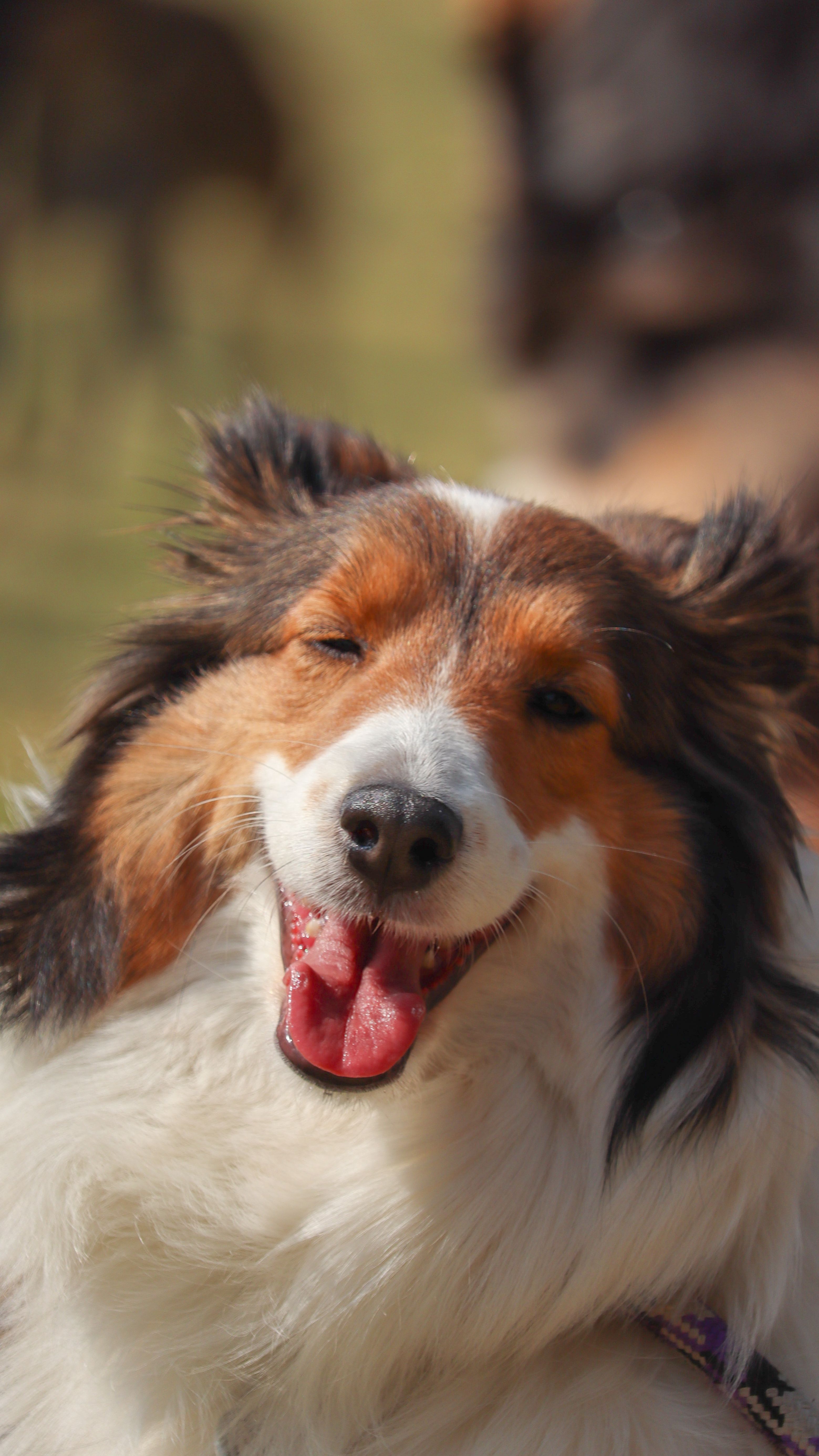
The Shetland Sheepdog is a small, agile herding breed that resembles a miniature Rough Collie. Known for their intelligence, loyalty, and beautiful flowing coat, Shelties are outstanding family dogs and excel in obedience and agility competitions.
History
Developed in the Shetland Islands of Scotland, these dogs were bred to herd sheep on the small, rugged islands. The harsh conditions favored smaller livestock and smaller herding dogs. The breed was refined with Collie bloodlines in the early 1900s. Originally called Shetland Collies, the name was changed after Collie breeders objected.
Appearance
Shelties have a refined, elegant appearance with a long, wedge-shaped head and small semi-erect ears that tip forward. Their abundant double coat forms a magnificent mane and frill around the chest. They have a long, sweeping tail and move with a smooth, effortless gait.
Temperament
Shelties are remarkably intelligent and sensitive dogs. They form deep bonds with their families and are highly attuned to their owners' emotions. They can be reserved with strangers but are rarely aggressive. Their herding instinct makes them alert and responsive.
Personality Around Others
Shelties tend to be reserved but polite with strangers. They are generally good with children they're raised with, though they may try to herd running children. They usually get along well with other dogs and pets.
Exercise Needs
Moderate to high exercise needs. Shelties need daily walks and activities that engage body and mind — agility, obedience, and herding trials are ideal. About 45–60 minutes daily. They have surprising stamina for their size.
Training
Among the most trainable breeds. They are eager to please, quick to learn, and excel in obedience competitions. They respond beautifully to positive reinforcement. Their intelligence means they need mental stimulation.
Grooming
Their luxurious double coat requires thorough brushing 2–3 times weekly, with daily brushing during heavy shedding. Mats can form behind ears and on legs. Professional grooming every 6–8 weeks is helpful.
Health
Common Health Conditions
Generally healthy but prone to eye conditions inherited from Collie ancestry. MDR1 gene mutation can cause sensitivity to certain medications. Responsible breeders screen for these conditions.
Recommended Health Tests
- Hip Evaluation
- Ophthalmologist Evaluation
- MDR1 DNA Test
- vWD DNA Test
Average Annual Vet Cost
$400–$1,000
Nutrition
Feed a high-quality food for their size and activity level. Shelties need about 1–2 cups daily divided into two meals. Maintain lean body condition — their thick coat can hide weight gain.
Living Environment
Adaptable to apartments if given sufficient exercise and mental stimulation. They do best with a yard. Barking tendency should be considered in noise-sensitive housing.
Ideal Family
Excellent for active families, singles, or seniors who want an engaged, trainable companion. Perfect for dog sports. Best with families who can provide mental stimulation and don't mind grooming.
Intelligence
Shelties consistently rank among the top 10 most intelligent dog breeds. They can learn a new command in fewer than 5 repetitions and obey first commands 95% of the time.
Barking
Frequency
Alert
Separation
Quiet Indoors
Shelties are notably vocal dogs. They bark to alert, when excited, when bored, and sometimes apparently just for fun. Training a 'quiet' command early is essential.
Shedding
Year-Round
Seasonal
Vacuum Factor 🧹
Hypoallergenic
Heavy shedders, especially during seasonal coat blowing. Regular brushing helps manage the volume but expect significant hair around the house.
Weather Tolerance
☀️
Heat
❄️
Cold
🌧️
Rain
🌨️
Snow
💧
Humidity
Breed Ratings
Fun Facts
Shelties can learn a new command in fewer than 5 repetitions.
They consistently place in top competitors at agility trials worldwide.
Despite their name, they are not simply miniature Collies.
Their bark is nicknamed the 'Sheltie scream' due to its high pitch.
They have an extraordinary ability to read human facial expressions.
Famous Dogs
Ch Halstor's Peter Pumpkin
First Sheltie to win Best in Show at Westminster
Mickey
Therapy Sheltie who visited hospitals for over a decade
Common Myths
"Shelties are just miniature Collies."
While they share ancestry, Shelties are a distinct breed developed separately in the Shetland Islands with their own breed standard.
"They can't stop barking."
While vocal by nature, Shelties can be trained to moderate their barking with positive methods and a 'quiet' command.
Frequently Asked Questions
Are Shelties good for first-time dog owners?
Yes! Their intelligence and eagerness to please make them excellent for first-time owners willing to commit to grooming and exercise.
How much do Shelties bark?
Shelties are among the more vocal breeds. Training helps, but potential owners should be prepared for a talkative dog.
Adoption Tips
Puppy Guide
Sheltie puppies are curious and energetic. Begin training and socialization early. Introduce grooming routines young. Channel herding instincts into appropriate activities.
Senior Care
Aging Shelties may develop joint stiffness, vision problems, and thyroid issues. Continue mental stimulation. Maintain coat care and dental health.
Similar Breeds
Border Collie
Similar intelligence and herding instincts but much higher energy and exercise requirements
Australian Shepherd
Another herding breed known for intelligence and loyalty but larger and more demanding
Pembroke Welsh Corgi
Small herding breed with similar family-friendly temperament but different body type
Ownership Costs
Estimated Lifetime Cost
$14,000–$20,000
Pros and Cons
Pros
Exceptionally intelligent and trainable
Loyal and devoted to family
Excellent in dog sports
Good with children
Beautiful, elegant appearance
Cons
Excessive barking tendency
Heavy shedding
Can be shy with strangers
May try to herd children
High grooming maintenance