
Pembroke Welsh Corgi
Also known as: Corgi, Pem, PWC
Energy Level
Apartment Friendly
Weight (Male)
25–30 lbs (11–14 kg)
Height (Male)
10–12 inches (25–30 cm)
Quick Facts
Coat Colors
Breed Summary
The Pembroke Welsh Corgi is a spirited, athletic herding breed that has captivated the world — partly thanks to being Queen Elizabeth II's beloved companions for over 70 years. Despite their short legs and compact frame, Corgis are surprisingly agile and athletic, originally bred to herd cattle by nipping at their heels. Today they are cherished family companions known for their intelligence, loyalty, and infectious personality.
History
The Pembroke Welsh Corgi's origins trace back over 1,000 years to Pembrokeshire, Wales. Legend says they were gifts from woodland fairies — and indeed, their coat markings are said to show the outline of a fairy saddle. In reality, they were brought to Wales by Flemish weavers around 1107 AD. They were bred to herd cattle by nipping at their heels, with their low stature helping them avoid kicks. Queen Elizabeth II received her first Corgi, Dookie, in 1933, beginning a royal love affair that lasted over seven decades.
Appearance
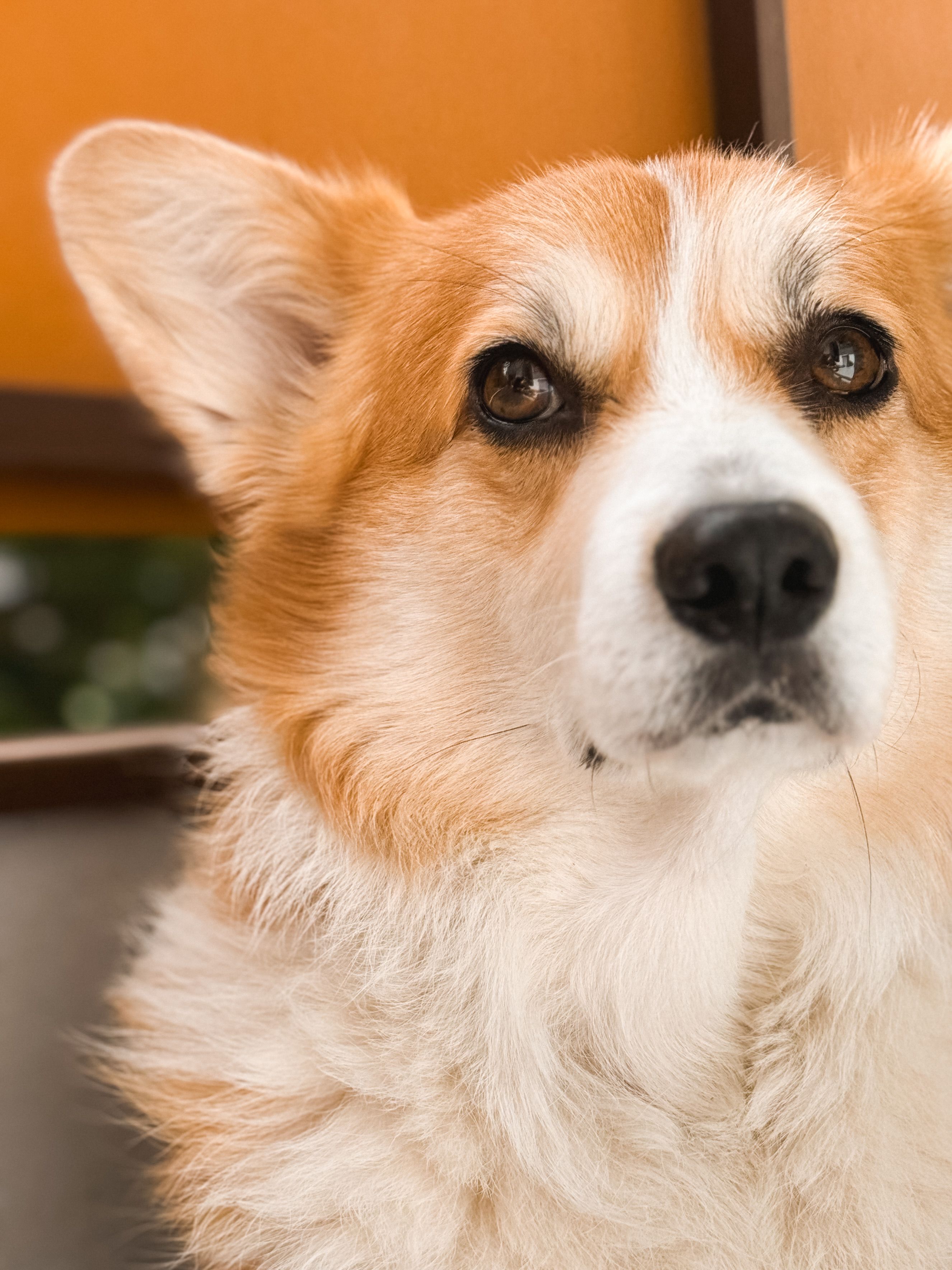
Corgis are low-set, strong dogs with a foxy face and alert, intelligent expression. They have erect ears, dark eyes, and a body that is surprisingly muscular for its size. Their double coat is weather-resistant with a thick undercoat. The Pembroke is distinguished from the Cardigan Welsh Corgi by its shorter body, pointed ears, and lack of tail (many are born with a natural bobtail). They move with a free, smooth gait.
Temperament
Corgis are bold, outgoing dogs with an abundance of personality packed into a small frame. They are remarkably intelligent, eager to learn, and have a well-developed sense of humor. Their herding instincts make them alert and responsive, and they form deep bonds with their families. They are surprisingly effective watchdogs with a big-dog bark.
Personality Around Others
Corgis are generally friendly with everyone, including other dogs, children, and strangers. Their herding instincts may lead them to nip at running children's heels — a behavior that should be redirected early. They can be bossy with other dogs but rarely aggressive. Early socialization helps ensure well-rounded behavior.
Exercise Needs
Moderate to high exercise needs. Despite their short legs, Corgis are athletic and need 45–60 minutes of daily activity. They enjoy walks, games of fetch, and herding activities. They can overheat due to their thick coat, so avoid strenuous exercise in hot weather. Mental stimulation through training and puzzle toys is equally important.
Training
Highly trainable and eager to please, Corgis excel in obedience, agility, and herding trials. They are quick learners but can be stubborn. Positive reinforcement with treats works best — they are very food-motivated. Early training helps manage their herding instincts (heel-nipping). Their intelligence means they need consistent, engaging training sessions.
Grooming
Moderate grooming needs. Their thick double coat requires brushing 2-3 times weekly, increasing to daily during heavy shedding seasons (spring and fall). They shed heavily — Corgi owners joke about 'Corgi glitter' being everywhere. Baths every 4-6 weeks. Regular nail trimming and dental care are important.
Health
Common Health Conditions
Corgis are generally healthy but their long backs and short legs predispose them to spinal issues, particularly IVDD. Obesity is a significant concern that worsens spinal problems. Regular weight management and avoiding jumping from heights help prevent back issues.
Recommended Health Tests
- Hip Evaluation
- Ophthalmologist Evaluation
- PRA-rcd3 DNA Test
- DM DNA Test
Average Annual Vet Cost
$500–$1,200
Nutrition
Feed a high-quality food with strict portion control. Corgis are extremely food-motivated and prone to obesity, which exacerbates their spinal problems. Adults need about 1–1.5 cups daily divided into two meals. Avoid free-feeding. Monitor weight carefully.
Living Environment
Adaptable to apartments if given sufficient exercise, but a house with a yard is ideal. Their barking tendency should be considered in noise-sensitive housing. They do well in moderate climates but their thick coat makes them sensitive to heat.
Ideal Family
Excellent for active families with older children, singles, and seniors. Great for first-time dog owners who can commit to exercise and grooming. Perfect for those who want a small dog with big-dog personality. Not ideal for those seeking a very quiet, low-maintenance dog.
Intelligence
Corgis rank 11th in canine intelligence, learning new commands in 5–15 repetitions. They are natural problem-solvers with an excellent ability to read human emotions. Their herding intelligence makes them exceptionally responsive to training when motivated.
Barking
Frequency
Alert
Separation
Quiet Indoors
Corgis are vocal dogs with a surprisingly deep bark for their size. They bark to alert, communicate, and sometimes just for attention. Training helps manage excessive barking.
Shedding
Year-Round
Seasonal
Vacuum Factor 🧹
Hypoallergenic
Heavy shedders year-round with massive seasonal coat blowing twice yearly. Corgi owners call the shed hair 'Corgi glitter.' A good vacuum cleaner is essential.
Weather Tolerance
☀️
Heat
❄️
Cold
🌧️
Rain
🌨️
Snow
💧
Humidity
Breed Ratings
Fun Facts
Queen Elizabeth II owned more than 30 Corgis during her reign.
According to Welsh legend, Corgis were used by fairies to pull carriages and ride into battle.
Their name means 'dwarf dog' in Welsh (cor = dwarf, gi = dog).
Corgis can run up to 25 mph despite their short legs.
They are the smallest breed in the AKC Herding Group.
Famous Dogs
Dookie
Queen Elizabeth II's first Corgi, received in 1933
Susan
Queen Elizabeth's beloved Corgi who started the royal breeding line
Ein
The genius data dog from the anime Cowboy Bebop
Common Myths
"Corgis can't exercise because of their short legs."
Corgis are athletic herding dogs with surprising stamina. They can keep up with much larger dogs on hikes and excel in agility competitions.
"They're just small lap dogs."
Corgis are working herding dogs with strong instincts and high energy. They need significant exercise and mental stimulation.
Frequently Asked Questions
Do Corgis bark a lot?
Yes, Corgis are vocal dogs. They bark to alert, communicate, and sometimes for attention. Training helps manage barking, but they will always be more vocal than average.
Are Corgis good apartment dogs?
They can adapt to apartments if given sufficient exercise (45-60 minutes daily), but their barking tendency may be an issue in noise-sensitive buildings.
Adoption Tips
Check Corgi-specific rescues and shelters. Many Corgis are surrendered due to their shedding, barking, or higher-than-expected exercise needs. Rescued Corgis make wonderful companions and bond quickly with new families.
Puppy Guide
Corgi puppies are adorable balls of energy. Begin training and socialization early. Redirect heel-nipping behavior from the start. Protect their growing spines — avoid jumping from furniture. Start grooming routines early to build tolerance for brushing.
Senior Care
Senior Corgis may develop back problems and joint stiffness. Maintain a healthy weight to protect their spine. Provide ramps for furniture and cars. Continue gentle exercise and mental stimulation. Regular vet checkups are important for monitoring spinal health.
Similar Breeds
Dachshund
Similar long body and short legs, but Dachshunds are smaller with a hound temperament
Shetland Sheepdog
Similar herding instincts and intelligence in a slightly taller, long-coated package
Beagle
Similar size and family friendliness, but Beagles are hound dogs with scenting rather than herding instincts
Ownership Costs
Estimated Lifetime Cost
$15,000–$22,000
Pros and Cons
Pros
Intelligent and highly trainable
Loyal and devoted to family
Adaptable to various living situations
Great with children
Entertaining and humorous personality
Cons
Heavy shedding year-round
Prone to back problems (IVDD)
Can be excessive barkers
Tendency to nip at heels
Prone to obesity