
Saluki
Also known as: Royal Dog of Egypt, Gazelle Hound, Persian Greyhound
Energy Level
Apartment Friendly
Weight (Male)
40-65 lbs
Height (Male)
23-28 inches
Quick Facts
Coat Colors
Breed Summary
The Saluki is one of the oldest known dog breeds, a graceful, aristocratic sighthound that has been prized by royalty and nomads alike for thousands of years. Known as the "Royal Dog of Egypt," they combine breathtaking speed with a gentle, devoted temperament.
History
Among the oldest domesticated dog breeds, with origins in the Fertile Crescent dating back 7,000+ years. Salukis were treasured by Egyptian pharaohs and Arab nomads. The breed was considered a gift from Allah. AKC recognized in 1927.
Appearance
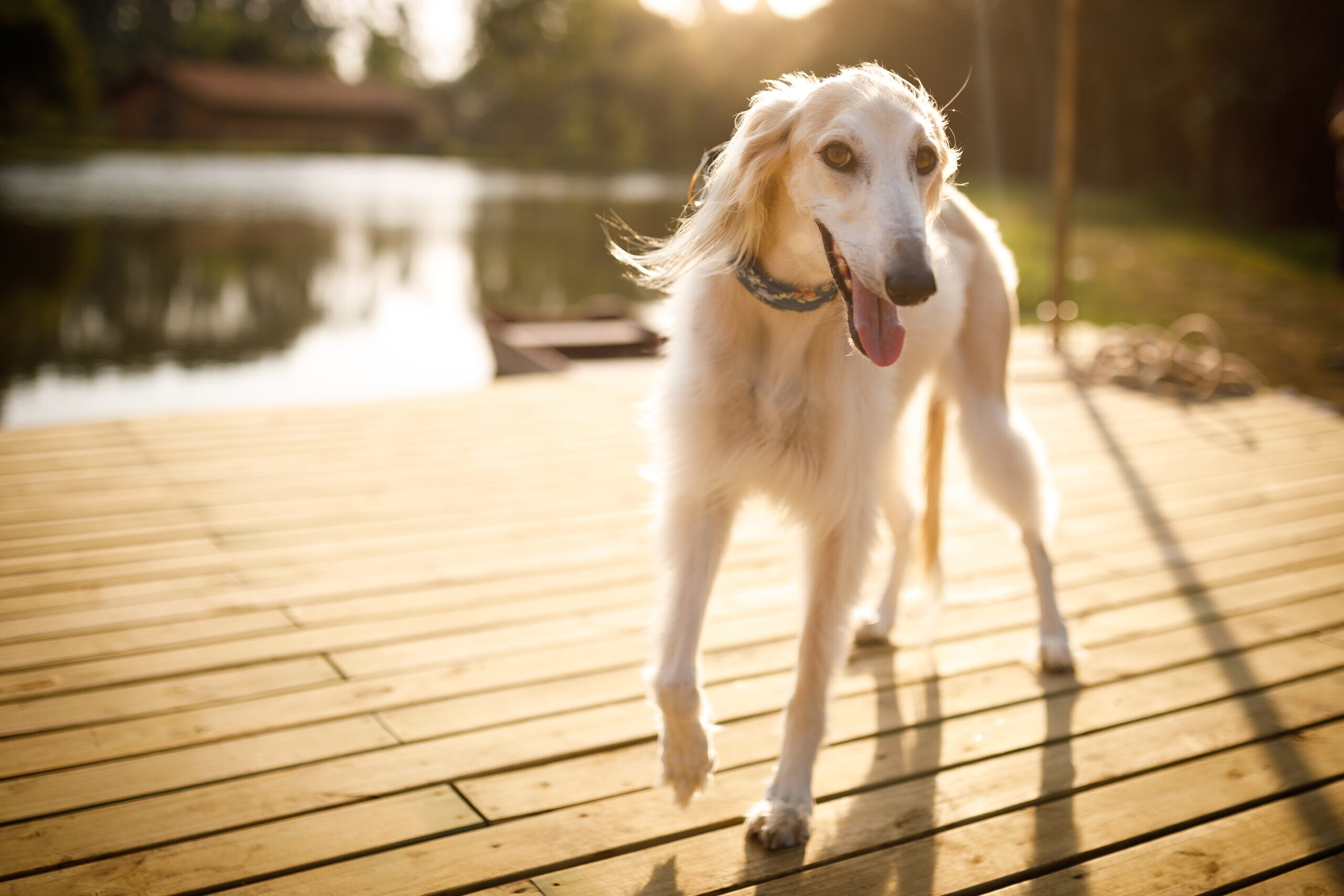
A tall, slender sighthound with an elegant, refined appearance. Long, feathered ears and tail. Deep chest and long legs built for speed. Available in smooth and feathered coat varieties.
Temperament
Reserved, dignified, and deeply sensitive, the Saluki bonds closely with their family but remains aloof with strangers. They are gentle and loyal but independent. Cat-like in their fastidious habits and selective affection.
Personality Around Others
Reserved with strangers but devoted to family. Generally peaceful with other dogs, especially sighthounds. Very high prey drive. Gentle but not overtly demonstrative with affection.
Exercise Needs
Moderate daily exercise with regular opportunities to run at full speed in a safe area. They are sprinters, not endurance runners. A large, securely fenced area is essential.
Training
One of the most challenging breeds to train. Extremely independent and sensitive. Positive reinforcement only. Short, varied sessions. They learn quickly but choose when to obey.
Grooming
Low to moderate grooming depending on coat type. Feathered variety needs regular brushing of the ear, tail, and leg feathering. Smooth variety needs minimal grooming.
Health
Common Health Conditions
Generally healthy with a wide lifespan range. Cardiac screening is important. Sensitive to anesthesia. Their lean build makes them intolerant of rough handling.
Recommended Health Tests
- Cardiac Exam
- Ophthalmologist Evaluation
- Thyroid Evaluation
Average Annual Vet Cost
$800-$1,500
Nutrition
Naturally lean dogs that should not be overfed. Quality food in measured portions. Two meals daily. They can be picky eaters. Their ribs should be visible under a thin layer of fat.
Living Environment
Can adapt to apartment living if exercised properly. They are quiet and calm indoors. Must have access to a safe running area. Sensitive to cold—need warmth indoors.
Ideal Family
Best for experienced sighthound owners who appreciate their independent nature. Quiet households suit them best. Not ideal for homes with small pets. Singles or couples who enjoy gentle companionship.
Intelligence
Highly intelligent but independent. They understand commands but choose compliance based on their assessment. Their intelligence is subtle and observational rather than performative.
Barking
Frequency
Alert
Separation
Quiet Indoors
One of the quietest breeds. Rarely bark and are almost silent in the home. Ideal for noise-sensitive living situations.
Shedding
Year-Round
Seasonal
Vacuum Factor 🧹
Hypoallergenic
Low shedding. Both coat varieties produce minimal loose hair. Easy to maintain with regular brushing.
Weather Tolerance
☀️
Heat
❄️
Cold
🌧️
Rain
🌨️
Snow
💧
Humidity
Breed Ratings
Fun Facts
Salukis can reach speeds of up to 42 mph
They are depicted in ancient Sumerian carvings from 7000 BC
In Islamic culture, they were the only dogs considered clean
Pharaohs were often buried with their mummified Salukis
Famous Dogs
Pharaoh's Salukis
Mummified Salukis have been found in Egyptian tombs alongside pharaohs
Common Myths
"Salukis are not affectionate"
They are deeply devoted to their families, just not overtly demonstrative
"They need excessive exercise"
They need regular sprinting opportunities but are calm, quiet dogs at home
Frequently Asked Questions
Are Salukis good apartment dogs?
Surprisingly yes—they are calm and quiet indoors. They need regular running opportunities but are low-energy at home.
How fast can Salukis run?
Up to 42 mph, making them one of the fastest dog breeds. Some consider them faster than Greyhounds over long distances.
Puppy Guide
Saluki puppies are sensitive and need gentle handling. Early socialization is crucial. Begin positive training early. They are often shy as puppies.
Senior Care
Senior Salukis may develop heart or thyroid issues. Provide warm, soft bedding. Continue gentle exercise. Their sensitivity increases with age.
Ownership Costs
Estimated Lifetime Cost
$15,000-$24,000
Pros and Cons
Pros
Extremely quiet and calm indoors
Ancient, beautiful breed
Low shedding
Gentle, devoted companion
Cons
Very independent and hard to train
Strong prey drive
Cold-sensitive
Aloof with strangers