
Pug
Also known as: Mops, Carlin, Chinese Pug
Energy Level
Apartment Friendly
Weight (Male)
14–18 lbs
Height (Male)
10–13 inches
Quick Facts
Coat Colors
Breed Summary
The Pug is a charming, mischievous toy breed with a distinctively wrinkled face and curled tail. Bred to be a companion, the Pug lives to love and be loved. Their comical expression and playful antics have made them one of the most beloved small breeds for centuries.
History
Pugs originated in China around 400 B.C. as prized companions of Chinese emperors. Dutch traders brought them to Europe in the 16th century, where they became favorites of royalty. A Pug reportedly saved the life of William, Prince of Orange, by alerting him to approaching Spanish troops.
Appearance
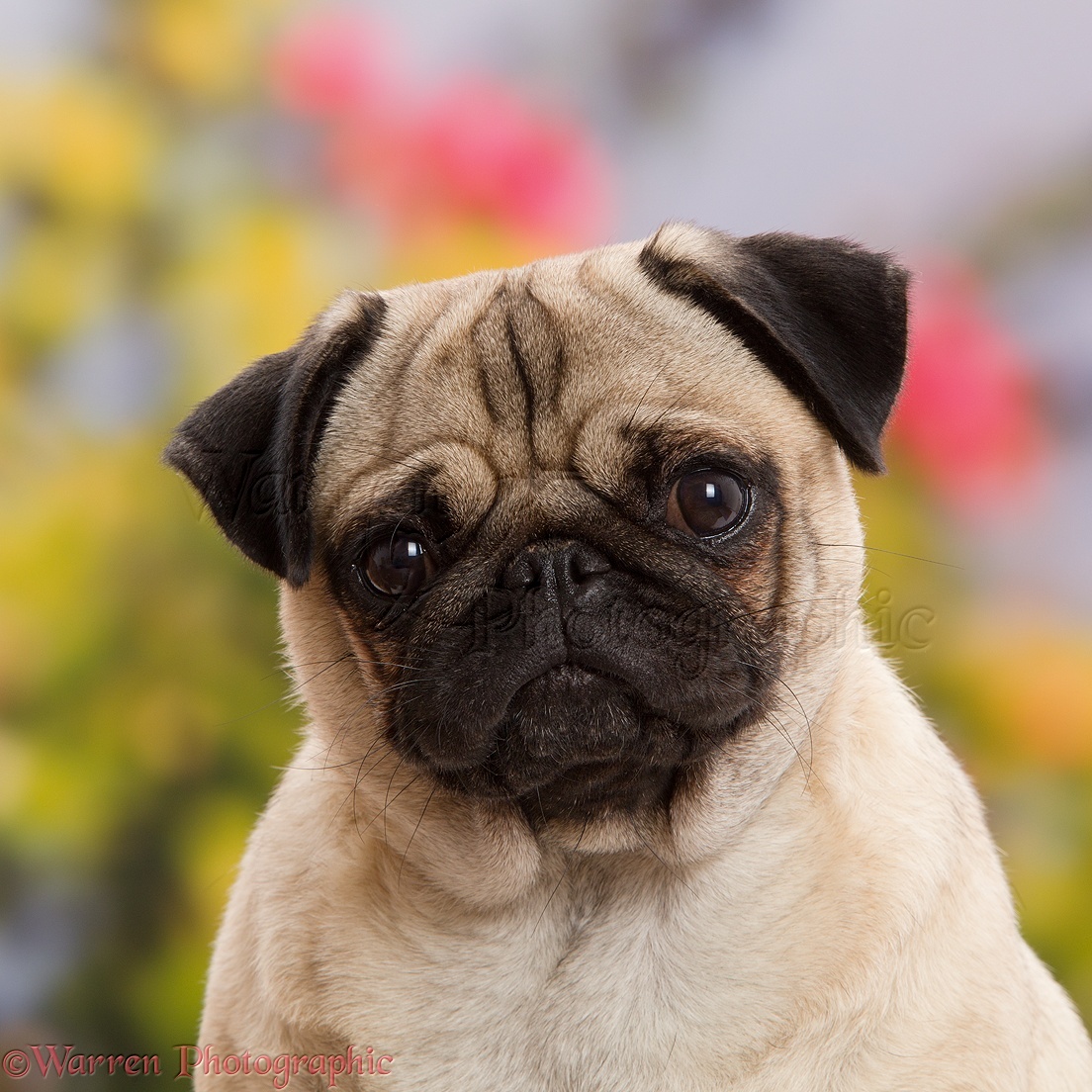
Pugs have a compact, square body with a large, round head and deeply wrinkled, flat face. Their large, dark eyes and velvety ears give them a perpetually surprised expression. Their tightly curled tail sits over their hip. Despite their small size, they are solidly built.
Temperament
Pugs are natural comedians. They are even-tempered, sociable dogs that rarely meet a stranger. While stubborn, they are generally eager to please and incredibly attuned to their owners' emotions.
Personality Around Others
Among the most social of all breeds. They get along with everyone — children, strangers, other dogs, and cats. They rarely show aggression and prefer making friends.
Exercise Needs
Low to moderate exercise needs. Short walks and play sessions. Due to their brachycephalic features, avoid strenuous exercise and heat. About 20–30 minutes daily is ideal.
Training
Intelligent but stubborn. Positive reinforcement with treats is most effective. Keep training sessions short and fun. They are food-motivated, which helps with training.
Grooming
Despite their short coat, Pugs shed heavily. Weekly brushing (daily during shedding). Their facial wrinkles need daily cleaning. Regular dental care is essential.
Health
Common Health Conditions
Their flat faces create significant health challenges with breathing. Eye problems are common due to their prominent eyes. Obesity worsens breathing issues. Pug Dog Encephalitis is a breed-specific brain disease.
Recommended Health Tests
- Hip Evaluation
- Ophthalmologist Evaluation
- Patellar Evaluation
- PDE DNA Test
Average Annual Vet Cost
$500–$1,500
Nutrition
Feed a high-quality food with strict portion control. Pugs need about ½–1 cup daily divided into two meals. They are extremely food-motivated and prone to obesity. Avoid table scraps and limit treats.
Living Environment
Excellent apartment dogs. Must live indoors in climate-controlled environments due to heat sensitivity. Content anywhere as long as they're with their people.
Ideal Family
Perfect for individuals, couples, families with children, and seniors. Their adaptable, sociable nature makes them one of the most versatile family dogs. Great for first-time owners.
Intelligence
Moderately intelligent with high emotional intelligence. They are masters at reading human emotions and know how to charm their way into getting what they want.
Barking
Frequency
Alert
Separation
Quiet Indoors
Generally quiet dogs. More likely to snort, snore, wheeze, and grunt than bark. The soundtrack of Pug ownership.
Shedding
Year-Round
Seasonal
Vacuum Factor 🧹
Hypoallergenic
Very heavy shedders despite short coat. Fawn Pugs have a double coat that sheds profusely. Black Pugs shed slightly less.
Weather Tolerance
☀️
Heat
❄️
Cold
🌧️
Rain
🌨️
Snow
💧
Humidity
Breed Ratings
Fun Facts
A group of Pugs is called a 'grumble.'
A Pug named Pompey saved the life of William of Orange.
Pugs were the official dog of the House of Orange in the Netherlands.
Napoleon's wife Josephine used her Pug Fortune to carry secret messages.
They were once used by the military to track people and animals.
Famous Dogs
Fortune
Josephine Bonaparte's Pug who carried secret messages
Pompey
Saved Prince William of Orange from assassins
Frank the Pug
The talking alien dog from Men in Black movies
Common Myths
"Pugs are lazy and don't need exercise."
While they have low exercise needs, Pugs need daily walks to prevent obesity. Their tendency toward weight gain makes regular activity important.
"Their breathing problems are normal."
While some snoring is typical, severe breathing difficulties are not normal. If your Pug struggles to breathe, consult a veterinarian.
Frequently Asked Questions
Do Pugs snore?
Yes, most Pugs snore due to their flat-faced anatomy. It's generally normal for the breed, but excessive snoring with breathing difficulties should be checked.
Why are Pugs prone to obesity?
Pugs are extremely food-motivated with low exercise tolerance and a compact body that shows weight gain quickly. Strict portion control is essential.
Adoption Tips
Puppy Guide
Pug puppies are adorable. Monitor breathing during play. Begin wrinkle-cleaning routines early. Socialize extensively. Start weight management from day one.
Senior Care
Senior Pugs may develop worsening breathing issues, joint problems, and vision loss. Maintain healthy weight. Provide supportive bedding. Keep them cool and comfortable.
Ownership Costs
Estimated Lifetime Cost
$14,000–$24,000
Pros and Cons
Pros
Extremely loving and sociable
Adaptable to any living situation
Great with children and other pets
Low exercise requirements
Natural comedians
Cons
Significant health concerns (breathing, eyes)
Very heavy shedding
Prone to obesity
Sensitive to heat and cold
Can be stubborn about training