
Boston Terrier
Also known as: American Gentleman, Boston Bull
Energy Level
Apartment Friendly
Weight (Male)
15–25 lbs
Height (Male)
15–17 inches
Quick Facts
Coat Colors
Breed Summary
The Boston Terrier is a lively, intelligent American breed known for its tuxedo-like markings and gentle disposition. Often called the 'American Gentleman,' this compact, well-muscled dog combines the spirit of a terrier with the sweetness of a companion breed.
History
The Boston Terrier originated in Boston, Massachusetts around 1870 when a dog named Judge — a cross between an English Bulldog and a white English Terrier — was purchased by Robert C. Hooper. Judge became the ancestor of all modern Boston Terriers. In 1893, the Boston Terrier became one of the first American breeds recognized by the AKC.
Appearance
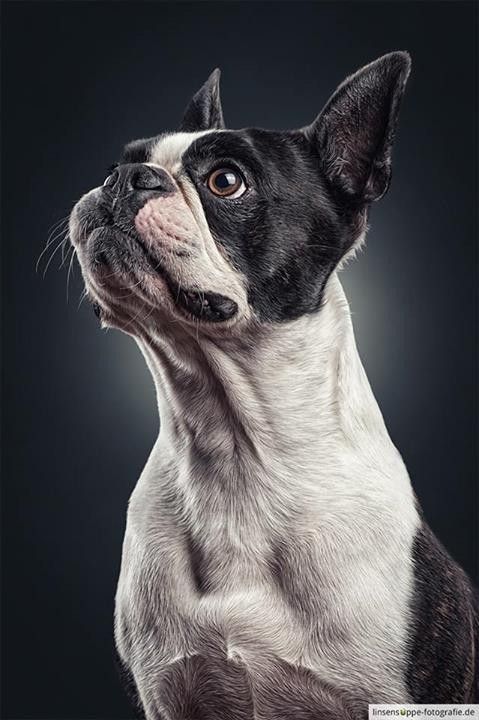
Boston Terriers have a compact, square body with a distinctive flat face and large, round, expressive eyes. Their most recognizable feature is their tuxedo-like coat pattern — typically black and white with a white blaze between the eyes, white muzzle, and white chest. Their ears are naturally erect and their short tail can be straight or curled.
Temperament
Boston Terriers are charming, adaptable dogs with an excellent sense of humor. They are eager to please and sensitive to their owners' moods. Despite their terrier heritage, they are generally not aggressive and prefer making friends to picking fights.
Personality Around Others
Friendly with everyone — strangers, children, other dogs, and even cats. Their gentle nature makes them excellent family dogs. They may be protective of their owners but rarely show aggression. Early socialization enhances their naturally friendly disposition.
Exercise Needs
Moderate exercise needs — a couple of short walks and play sessions daily are sufficient. They enjoy games of fetch and can be surprisingly athletic. About 30–45 minutes of activity daily. Avoid strenuous exercise in hot weather.
Training
Intelligent and generally eager to please. They respond best to positive reinforcement and can be sensitive to harsh correction. Some can be stubborn, but their desire to please usually wins out. They can learn impressive tricks.
Grooming
Very low grooming maintenance. Short, smooth coat needs only weekly brushing and occasional baths. Clean facial wrinkles regularly. Check and clean their large eyes frequently. Standard nail and dental care.
Health
Common Health Conditions
Brachycephalic issues are the primary concern. Cherry eye and cataracts affect the eyes. Large heads can cause birthing difficulties, with many born via cesarean section. Overall a moderately healthy breed with proper care.
Recommended Health Tests
- Ophthalmologist Evaluation
- Patellar Evaluation
- BAER Testing
Average Annual Vet Cost
$400–$1,200
Nutrition
Feed a high-quality small-breed food. Boston Terriers need about ½–1.5 cups daily divided into two meals. They can be prone to flatulence — slow-feeder bowls and easily digestible food help. Monitor weight.
Living Environment
Excellent apartment dogs. Moderate size and exercise needs make them ideal for urban living. Sensitive to temperature extremes — both heat and cold. Air conditioning is important due to brachycephalic features.
Ideal Family
Perfect for singles, couples, seniors, and families with children of all ages. Their gentle, adaptable nature makes them one of the most versatile companion breeds. Great for first-time dog owners.
Intelligence
Moderately intelligent with an excellent ability to read human emotions. They learn quickly when motivated and enjoy the training process. Their intelligence shows in emotional sensitivity and problem-solving.
Barking
Frequency
Alert
Separation
Quiet Indoors
Generally quiet dogs that bark only when necessary. They are one of the quieter brachycephalic breeds. Some may bark more individually.
Shedding
Year-Round
Seasonal
Vacuum Factor 🧹
Hypoallergenic
Low shedding. Their short, fine coat loses minimal hair. Weekly brushing manages loose fur effectively.
Weather Tolerance
☀️
Heat
❄️
Cold
🌧️
Rain
🌨️
Snow
💧
Humidity
Breed Ratings
Fun Facts
The Boston Terrier is the official state dog of Massachusetts.
They were one of the first breeds developed in the United States.
Their nickname 'American Gentleman' comes from their tuxedo-like markings.
Sergeant Stubby, a famous WWI war dog, was part Boston Terrier.
They were originally bred for pit fighting but quickly became companion dogs.
Famous Dogs
Sergeant Stubby
WWI hero, most decorated war dog in American history (part Boston Terrier)
Rhett
Boston University's live mascot since the 1920s
Common Myths
"Boston Terriers are aggressive because they were originally fighting dogs."
While the breed's ancestors were involved in fighting, Boston Terriers have been bred for companionship for over 100 years. They are among the gentlest breeds.
"Their flat face means they can't exercise."
Boston Terriers can enjoy moderate exercise and are quite athletic. They just need to avoid overheating and strenuous activity in hot weather.
Frequently Asked Questions
Are Boston Terriers good with kids?
Yes! They are one of the best breeds for families with children. They are gentle, patient, and sturdy enough to play with kids of all ages.
Why do Boston Terriers snore?
Their brachycephalic structure causes compressed airways, leading to snoring, snorting, and reverse sneezing. This is normal but can be managed with weight control.
Adoption Tips
Available through breed-specific rescues nationwide. Many are surrendered due to medical costs associated with brachycephalic issues. Ask about health history when adopting.
Puppy Guide
Boston Terrier puppies are energetic and playful. Start socialization and training early. Be mindful of their brachycephalic needs — avoid strenuous play in heat. Puppy-proof your home as they can be curious chewers.
Senior Care
Senior Boston Terriers may develop cataracts, heart murmurs, and increased breathing difficulties. Maintain a healthy weight. Provide comfortable bedding. Regular eye exams are increasingly important.
Ownership Costs
Estimated Lifetime Cost
$14,000–$22,000
Pros and Cons
Pros
Gentle and friendly with everyone
Low grooming maintenance
Adaptable to apartment living
Great with children
Minimal shedding
Cons
Brachycephalic health concerns
Sensitive to temperature extremes
Prone to flatulence
Can be stubborn during training
Potential for expensive health issues