
Otterhound
Energy Level
Apartment Friendly
Weight (Male)
115 lbs
Height (Male)
27 inches
Quick Facts
Coat Colors
Breed Summary
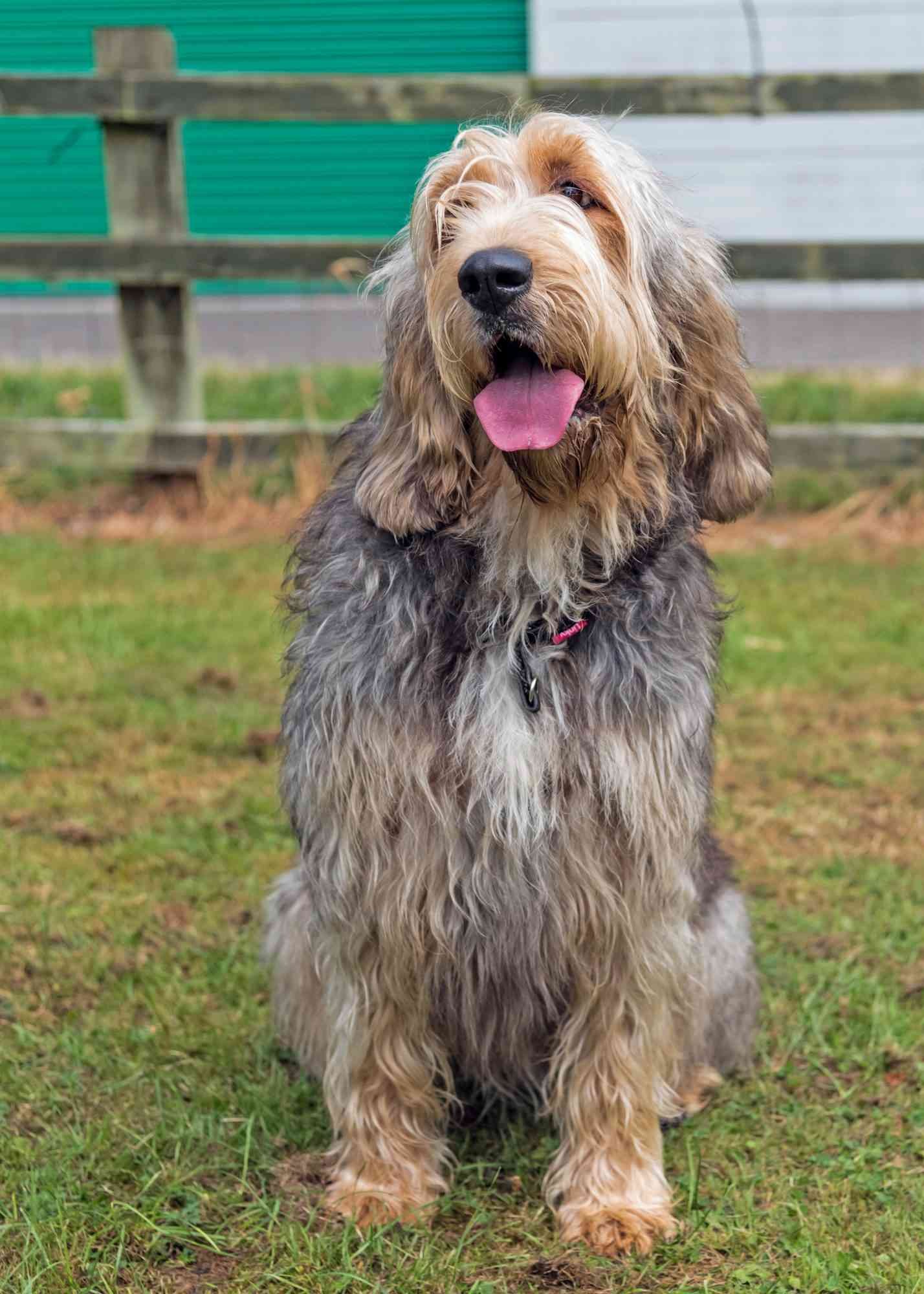
The Otterhound is one of the rarest dog breeds in the world—a large, shaggy, amiable scenthound with an incredible nose and webbed feet. Originally bred to hunt otters in England, they are now gentle, boisterous family companions.
History
Developed in medieval England to hunt otters that were depleting fish stocks. When otter hunting was banned in 1978, the breed faced extinction. Today fewer than 1,000 Otterhounds exist worldwide. AKC recognized in 1909.
Appearance
A large, rough-coated hound with a distinctive shaggy appearance. Webbed feet for swimming, a powerful body, and a large, domed head with pendulous ears. Their oily, double coat is water-resistant.
Temperament
Boisterous, friendly, and even-tempered, the Otterhound is a happy-go-lucky character. They are amiable with everyone and have a clownish sense of humor. Their enthusiasm for life is contagious.
Personality Around Others
Very friendly with people, dogs, and even strangers. Excellent with children due to their patient, playful nature. Can be boisterous and may accidentally knock over small children.
Exercise Needs
High exercise needs—loves swimming and outdoor activities. At least an hour of daily exercise. They excel in water activities. Need secure fencing as they will follow interesting scents.
Training
Can be challenging to train due to their independent nature and easily distracted nose. Patient, positive training with food motivation works best. They are not naturally obedient but willing to try.
Grooming
Significant grooming needs—their rough, double coat needs brushing several times weekly. Their beard gets messy after eating and drinking. Regular ear cleaning is crucial.
Health
Common Health Conditions
Glanzmann Thrombasthenia is a bleeding disorder specific to the breed. Bloat is a concern due to their deep chest. Generally hardy otherwise.
Recommended Health Tests
- Hip Evaluation
- DNA Test for Glanzmann Thrombasthenia
Average Annual Vet Cost
$900-$1,600
Nutrition
Active dogs needing quality food. Multiple smaller meals to prevent bloat. They love food and can become overweight. Monitor portions and adjust for activity level.
Living Environment
Need a home with a yard and access to water for swimming. Not suited for apartments. Secure fencing is essential. They can be messy and boisterous indoors.
Ideal Family
Best for active families who enjoy outdoor activities and water sports. Great with children. Ideal for those who appreciate a boisterous, messy companion. Not for neat freaks.
Intelligence
Intelligent with strong scenting abilities. Independent thinkers who can be distracted by interesting smells. They learn at their own pace.
Barking
Frequency
Alert
Separation
Quiet Indoors
Known for their deep, melodious baying. Can be quite vocal, especially when excited. Their voice carries for long distances.
Shedding
Year-Round
Seasonal
Vacuum Factor 🧹
Hypoallergenic
Moderate shedding. Regular brushing prevents matting and manages loose hair.
Weather Tolerance
☀️
Heat
❄️
Cold
🌧️
Rain
🌨️
Snow
💧
Humidity
Breed Ratings
Fun Facts
Otterhounds are rarer than giant pandas—fewer than 1,000 exist worldwide
They have webbed feet for swimming
Their sense of smell can follow a trail 72 hours old in running water
They are one of the most endangered dog breeds in the world
Famous Dogs
Doreen
One of the last working Otterhounds before otter hunting was banned in England in 1978
Common Myths
"They are only water dogs"
While excellent swimmers, they are versatile companions who enjoy many activities
"They are high-maintenance"
Apart from grooming, they are easygoing, low-drama dogs
Frequently Asked Questions
Why are Otterhounds so rare?
When otter hunting was banned in 1978, the breed lost its primary purpose. Fewer breeders and their large size contribute to their rarity.
Can they swim well?
Exceptionally well—their webbed feet, waterproof coat, and powerful build make them natural swimmers.
Puppy Guide
Puppies are large, energetic, and clumsy. Early socialization and training are important. Introduce them to water early. Provide sturdy toys as they are strong chewers.
Senior Care
Senior Otterhounds may develop joint issues. Continue gentle exercise and swimming. Watch weight carefully. Their generally good constitution supports a decent lifespan for their size.
Ownership Costs
Estimated Lifetime Cost
$18,000-$26,000
Pros and Cons
Pros
Incredibly friendly and fun-loving
Great with children
Excellent swimming ability
Rare and unique breed
Cons
Very rare and hard to find
Can be messy and boisterous
Loud baying voice
High grooming needs