
Miniature American Shepherd
Also known as: Mini Aussie, MAS, Mini American
Energy Level
Apartment Friendly
Weight (Male)
20-40 lbs
Height (Male)
14-18 inches
Quick Facts
Coat Colors
Breed Summary
The Miniature American Shepherd is a small, versatile herding breed that looks like a compact Australian Shepherd. Intelligent, active, and loyal, they are popular companions and sport dogs.
History
Developed in the 1960s in California by selectively breeding smaller Australian Shepherds. Originally called Miniature Australian Shepherd. Renamed and recognized by AKC as Miniature American Shepherd in 2015.
Appearance
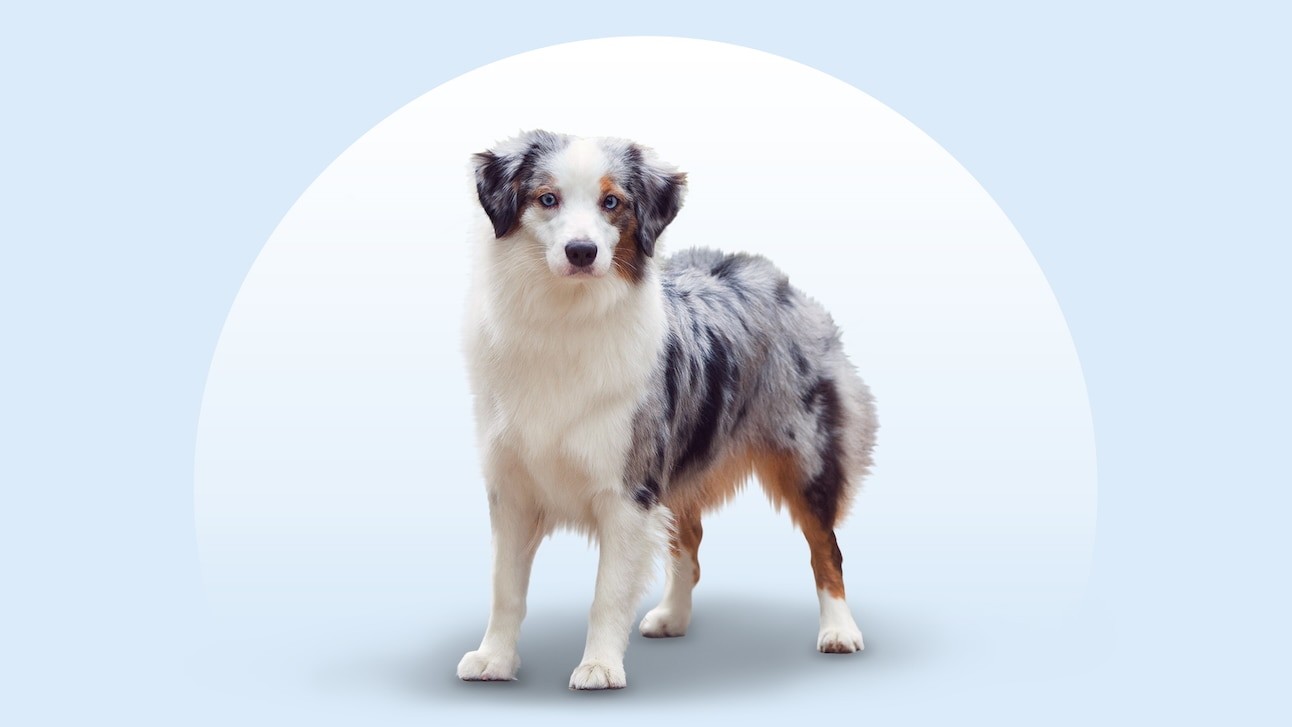
A small, well-balanced herding dog with an athletic build. Comes in the same colors as Australian Shepherds. May have blue or heterochromatic eyes. Natural or docked bobtail. Alert, intelligent expression.
Temperament
Intelligent, versatile, and devoted. Mini Americans are energetic, eager-to-please dogs with big personalities in a compact package. They excel at dog sports and make devoted companions.
Personality Around Others
Very attached to family. Good with children. Friendly with strangers. Social with other dogs.
Exercise Needs
High exercise needs for their size. Daily vigorous activity. Excel at agility and dog sports. Mental stimulation essential.
Training
Extremely trainable. Eager to please. Quick learners. Excel at obedience and trick training.
Grooming
Moderate grooming. Brush 2-3 times weekly. Seasonal shedding. Regular coat maintenance.
Health
Common Health Conditions
Generally healthy. Share some health concerns with Australian Shepherds. DNA testing recommended.
Recommended Health Tests
- Hip Evaluation
- Ophthalmologist Evaluation
- PRA DNA Test
- MDR1 DNA Test
Average Annual Vet Cost
$500-$1,000
Nutrition
Quality food for active small-medium dogs. Two meals daily. Adjust for high activity level.
Living Environment
Adaptable. Good for apartments with exercise. Love having a yard. Need daily mental and physical activity.
Ideal Family
Active families. Those who enjoy dog sports. Apartment dwellers wanting an active companion.
Intelligence
Extremely intelligent. Quick, eager learners. Love mental challenges. Excel at problem-solving.
Barking
Frequency
Alert
Separation
Quiet Indoors
Moderate barkers. Alert but not excessive. Some individuals more vocal than others.
Shedding
Year-Round
Seasonal
Vacuum Factor 🧹
Hypoallergenic
Moderate shedding with heavier seasonal periods. Regular brushing manages coat.
Weather Tolerance
☀️
Heat
❄️
Cold
🌧️
Rain
🌨️
Snow
💧
Humidity
Breed Ratings
Fun Facts
One of the newest AKC breeds—recognized in 2015
Developed from smaller Australian Shepherds in California
They may have stunning blue eyes, brown eyes, or even two different colored eyes
Popular with equestrians as travel-sized herding dogs
One of the fastest-growing breeds in AKC popularity
Famous Dogs
Rodeo Circuit Minis
Originally popular with rodeo riders who wanted smaller herding dogs that could travel easily on the circuit
Common Myths
"They are just small Australian Shepherds"
They are a separate, recognized breed with their own standard, though they share ancestry with Australian Shepherds
"Small means less exercise"
They are just as energetic as their larger cousins. Their small size does not reduce their exercise needs
Frequently Asked Questions
Are they the same as Mini Aussies?
Essentially yes. The AKC recognized them as Miniature American Shepherds to establish them as a separate breed from Australian Shepherds.
How much exercise do they need?
Despite their size, they need significant daily exercise—at least 1-2 hours of activity plus mental stimulation.
Puppy Guide
Mini American puppies are energetic and eager. Start training early. Channel their intelligence.
Senior Care
Senior Mini Americans remain active. Moderate exercise. Watch for eye conditions. Drug sensitivity awareness.
Ownership Costs
Estimated Lifetime Cost
$13,000-$20,000
Pros and Cons
Pros
Compact and portable
Extremely intelligent
Highly trainable
Great for dog sports
Devoted companion
Cons
High energy for size
Needs lots of exercise
Can be vocal
Drug sensitivity (MDR1)
Needs mental stimulation