
Keeshond
Also known as: Kees, Dutch Barge Dog, Wolfsspitz
Energy Level
Apartment Friendly
Weight (Male)
35-45 lbs
Height (Male)
18 inches
Quick Facts
Coat Colors
Breed Summary
The Keeshond is the smiling Dutchman—a friendly, plush-coated Spitz breed that served as companions on Dutch barges. Known for their distinctive spectacles markings and perpetual smile, they are outgoing, affectionate dogs.
History
A Dutch national symbol, they served as companions and watchdogs on Rhine River barges. Named after Cornelis de Gyzelaar (nicknamed Kees), a Dutch patriot. Related to other German Spitz breeds. AKC recognized in 1930.
Appearance
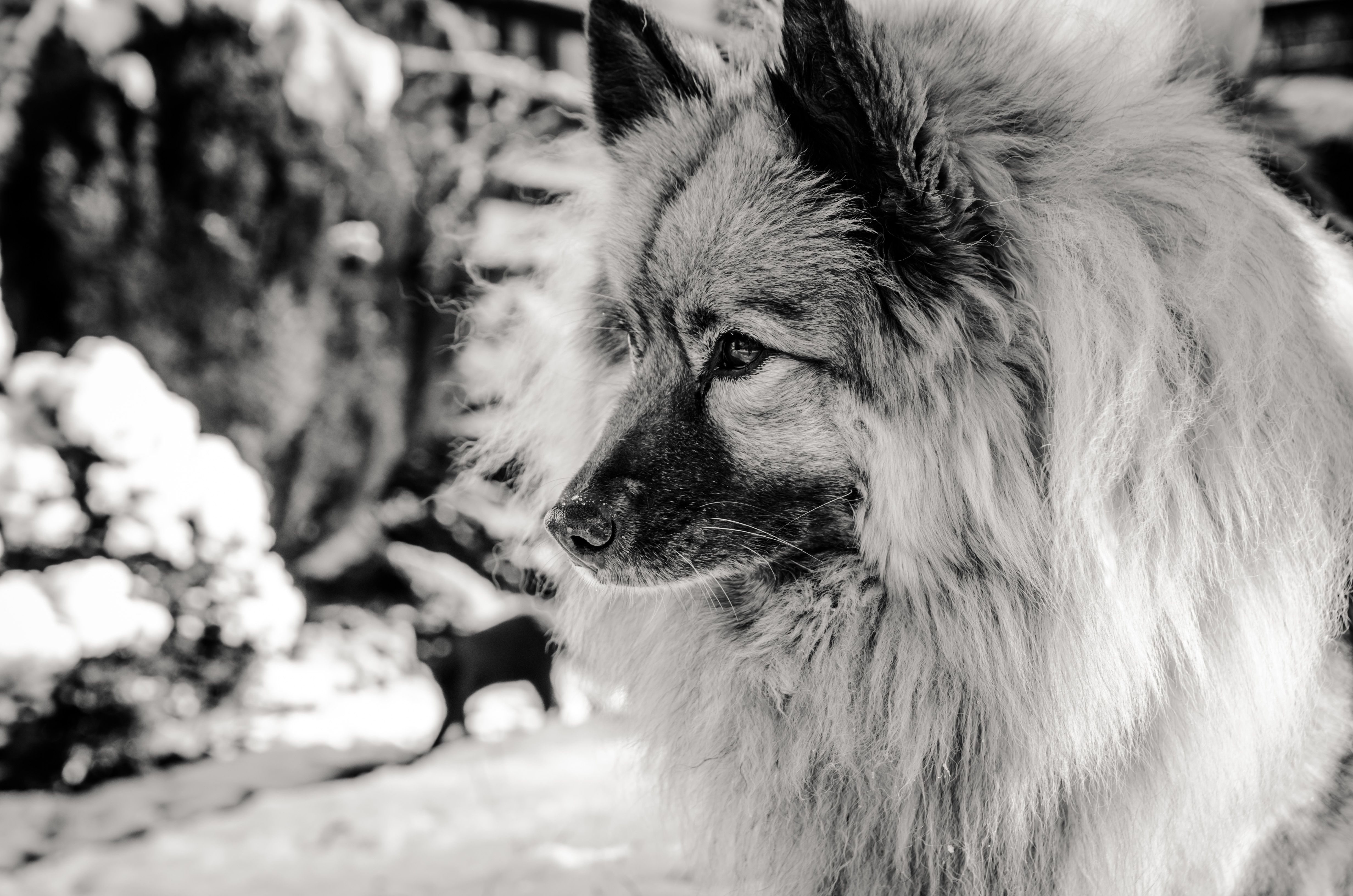
A medium-sized, sturdy Spitz breed with a dramatic plush coat. Distinctive spectacles markings around eyes. Fox-like face with a perpetual smile. Plumed tail carried over the back. Gray, black, and cream coloring.
Temperament
Friendly, outgoing, and eager to please. Keeshonds are people-oriented dogs who love everyone they meet. They are often called the smiling Dutchman for their cheerful expression and happy disposition.
Personality Around Others
Extremely friendly with everyone. Great with children and other pets. Love attention. Social. May have separation anxiety.
Exercise Needs
Moderate exercise needs. Daily walks and play. Not demanding. Content with family activities.
Training
Eager to please and highly trainable. Positive reinforcement. Quick learners. Enjoy obedience.
Grooming
Dense double coat needs regular brushing 2-3 times weekly. Heavy seasonal shedding. Never shave the coat.
Health
Common Health Conditions
Generally healthy breed. Heart issues and epilepsy are occasional concerns. Health testing recommended.
Recommended Health Tests
- Hip Evaluation
- Patellar Evaluation
- Cardiac Exam
- Ophthalmologist Evaluation
Average Annual Vet Cost
$600-$1,200
Nutrition
Quality food for medium breeds. Two meals daily. Not prone to obesity with moderate exercise.
Living Environment
Good apartment dogs despite size. Calm indoors. Need daily walks. Not hyperactive.
Ideal Family
Families wanting a friendly, affectionate companion. Good first-time owners. All living situations.
Intelligence
Intelligent and eager to learn. Quick to pick up commands. Enjoy pleasing their owners.
Barking
Frequency
Alert
Separation
Quiet Indoors
Moderate barkers. Alert to visitors. Can bark when anxious or excited.
Shedding
Year-Round
Seasonal
Vacuum Factor 🧹
Hypoallergenic
Heavy shedding, especially seasonal. Dense double coat requires regular maintenance.
Weather Tolerance
☀️
Heat
❄️
Cold
🌧️
Rain
🌨️
Snow
💧
Humidity
Breed Ratings
Fun Facts
Known as the Smiling Dutchman for their perpetual happy expression
The distinctive spectacles markings around their eyes are unique to the breed
Were mascots of the Dutch Patriot political movement in the 18th century
Named after a Dutch patriot nicknamed Kees
Originally served as watchdogs and companions on Dutch barges
Famous Dogs
Kees (Cornelis de Gyzelaar)
The Dutch patriot whose dog mascot gave the breed its name during the 18th-century political uprising
Common Myths
"Their coat needs shaving in summer"
Never shave a Keeshond—their double coat insulates against both heat and cold. Shaving disrupts this
"They're just fluffy mixed breeds"
Keeshonds are a well-established breed with centuries of documented history in the Netherlands
Frequently Asked Questions
Do they overheat easily?
Their coat insulates against heat too, but they prefer cooler climates. Provide shade and water in summer.
Are they good apartment dogs?
Surprisingly yes—they are calm indoors and adapt well to apartment living with daily walks.
Puppy Guide
Keeshond puppies are fluffy and social. Start grooming routine early. They bond quickly.
Senior Care
Senior Keeshonds remain cheerful and social. Heart monitoring important. Moderate exercise.
Ownership Costs
Estimated Lifetime Cost
$14,000-$20,000
Pros and Cons
Pros
Extremely friendly
Great with families
Unique spectacles markings
Good apartment dog
Trainable
Cons
Heavy shedding
Separation anxiety
Needs regular grooming
Seasonal coat blows
Can be barky