
American Eskimo Dog
Also known as: Eskie, American Spitz
Energy Level
Apartment Friendly
Weight (Male)
6-35 lbs
Height (Male)
9-19 inches
Quick Facts
Coat Colors
Breed Summary
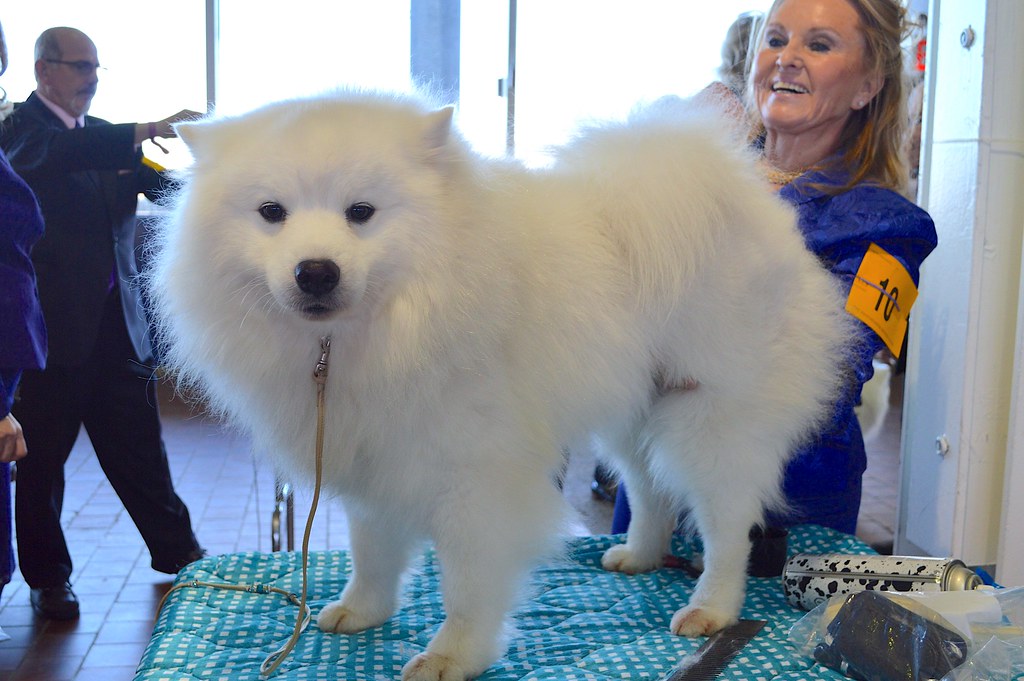
The American Eskimo Dog is a brilliant, beautiful Spitz breed with a stunning white coat. Despite the name, they are of German Spitz origin. Known for their intelligence and spectacular circus performances.
History
Descended from German Spitz dogs brought to America by immigrants. Originally called American Spitz, renamed during WWI due to anti-German sentiment. Famous as circus performers. Come in Toy, Miniature, and Standard sizes. AKC recognized in 1995.
Appearance
A beautiful, compact Spitz breed with a pure white double coat. Plumed tail carried over the back. Alert, intelligent expression with dark eyes. Three sizes: Toy (9-12"), Miniature (12-15"), and Standard (15-19").
Temperament
Brilliant, alert, and eager to please. Eskies are among the most intelligent and trainable breeds. They are lively, friendly, and love being the center of attention. Natural performers.
Personality Around Others
Very friendly with family. Good with children. Alert to strangers. Love attention and activity. Social dogs.
Exercise Needs
Moderate to high exercise needs. Daily walks and play. Love learning tricks and games. Mental stimulation essential.
Training
One of the most trainable breeds. Quick learners. Eager to please. Excel at obedience and tricks.
Grooming
Dense double coat needs regular brushing 2-3 times weekly. Heavy seasonal shedding. Regular baths.
Health
Common Health Conditions
Generally healthy breed. Eye issues are the main concern. Regular health screening recommended.
Recommended Health Tests
- PRA DNA Test
- Hip Evaluation
- Ophthalmologist Evaluation
Average Annual Vet Cost
$600-$1,200
Nutrition
Quality food appropriate to size variety. Two meals daily. Monitor weight. Active dogs.
Living Environment
Good apartment dogs (Toy/Mini sizes). Need daily exercise. Enjoy indoor and outdoor activities.
Ideal Family
Active families wanting a trainable, beautiful companion. Good first-time owners. All living situations.
Intelligence
Among the most intelligent breeds. Learn incredibly quickly. Love mental challenges. Natural problem-solvers.
Barking
Frequency
Alert
Separation
Quiet Indoors
Can be vocal. Alert to everything. Training helps manage. Expressive barkers.
Shedding
Year-Round
Seasonal
Vacuum Factor 🧹
Hypoallergenic
Heavy shedding, especially seasonal. Regular brushing essential. White fur everywhere.
Weather Tolerance
☀️
Heat
❄️
Cold
🌧️
Rain
🌨️
Snow
💧
Humidity
Breed Ratings
Fun Facts
Were famous circus performers—their intelligence and beauty made them crowd favorites
Despite the name, they are German Spitz dogs, not from any Eskimo/Inuit origin
Come in three sizes: Toy, Miniature, and Standard
One of the first breeds to walk a tightrope in circuses
Their white coat was historically prized in European royal courts
Famous Dogs
Stout's Pal Pierre
A famous Eskie who walked a tightrope in the Barnum & Bailey Circus, selling puppies to amazed audiences
Common Myths
"They are from Eskimo/Inuit cultures"
Despite the name, they descend from German Spitz dogs. The name was changed from German Spitz during WWI
"White dogs are unhealthy"
Eskies are generally healthy dogs—their white coat is natural to the breed and not associated with health issues
Frequently Asked Questions
Why are they called Eskimo Dogs?
Originally German Spitz, they were renamed during WWI to distance from German origins. The name stuck.
Do they shed a lot?
Yes—heavy shedding, especially during seasonal coat blows. Regular brushing is essential.
Puppy Guide
Eskie puppies are bright and eager. Start training early. Socialize broadly. They learn quickly.
Senior Care
Senior Eskies remain bright and active. Watch for eye issues. Moderate exercise.
Ownership Costs
Estimated Lifetime Cost
$13,000-$20,000
Pros and Cons
Pros
Highly intelligent
Beautiful appearance
Great with families
Very trainable
Three size options
Cons
Heavy shedding
Can be barky
High grooming needs
Needs mental stimulation
Can be reserved with strangers