
American Eskimo Dog
También conocido como: Eskie, American Spitz
Nivel de Energía
Apto Apartamento
Peso (Macho)
6-35 lbs
Altura (Macho)
9-19 inches
Datos Rápidos
Colores de Pelaje
Resumen de la Raza
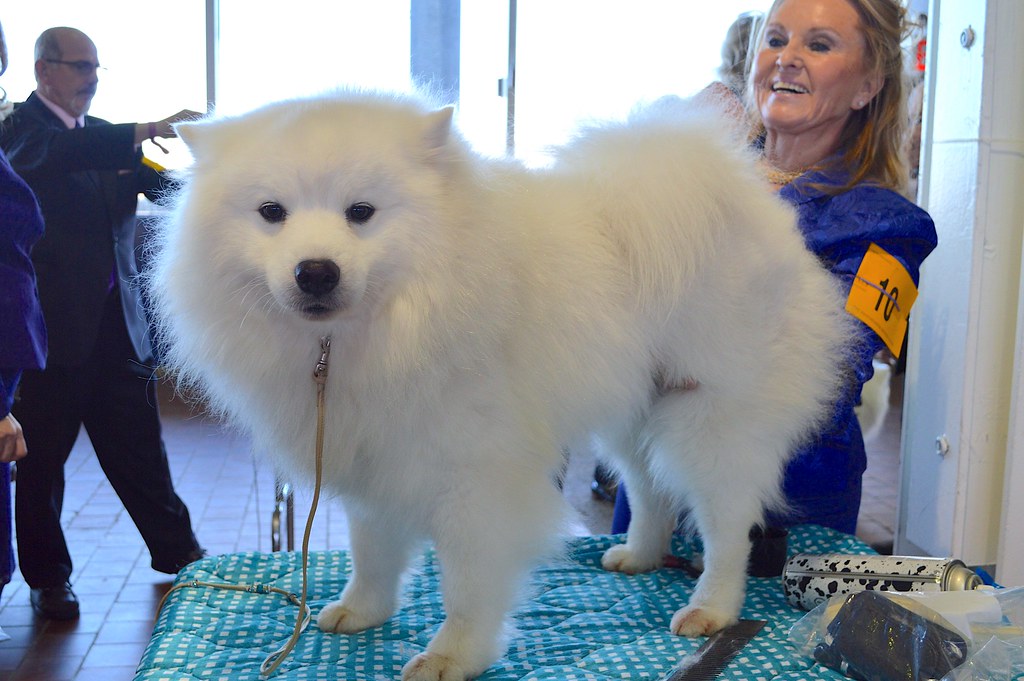
El American Eskimo Dog es una raza Spitz brillante y hermosa con un deslumbrante pelaje blanco. A pesar de su nombre, son de origen German Spitz. Conocidos por su inteligencia y espectaculares actuaciones de circo.
Historia
Descendientes de perros German Spitz traídos a América por inmigrantes. Originalmente llamados American Spitz, fueron renombrados durante la Primera Guerra Mundial debido al sentimiento anti-alemán. Famosos como artistas de circo. Se presentan en tamaños Toy, Miniature y Standard. Reconocidos por el AKC en 1995.
Apariencia
Una raza Spitz hermosa y compacta con un pelaje doble de color blanco puro. Cola emplumada llevada sobre la espalda. Expresión alerta e inteligente con ojos oscuros. Tres tamaños: Toy (9-12"), Miniature (12-15") y Standard (15-19").
Temperamento
Brillantes, alertas y deseosos de complacer. Los Eskies se encuentran entre las razas más inteligentes y fáciles de entrenar. Son vivaces, amigables y les encanta ser el centro de atención. Artistas por naturaleza.
Personalidad con Otros
Muy amigables con la familia. Buenos con los niños. Alertas ante los extraños. Aman la atención y la actividad. Perros muy sociales.
Necesidades de Ejercicio
Necesidades de ejercicio de moderadas a altas. Paseos diarios y juego. Les encanta aprender trucos y juegos. La estimulación mental es esencial.
Entrenamiento
Una de las razas más fáciles de entrenar. Aprenden rápido. Deseosos de complacer. Sobresalen en obediencia y trucos.
Aseo
El pelaje doble y denso necesita un cepillado regular de 2 a 3 veces por semana. Mudan mucho pelo por temporadas. Baños regulares.
Salud
Condiciones Comunes
Raza generalmente saludable. Los problemas oculares son la principal preocupación. Se recomiendan exámenes de salud regulares.
Pruebas de Salud Recomendadas
- Prueba de ADN para PRA
- Evaluación de Cadera
- Evaluación Oftalmológica
Costo Veterinario Anual Promedio
$600-$1,200
Nutrición
Alimento de calidad adecuado para su variedad de tamaño. Dos comidas al día. Monitorear el peso. Perros activos.
Entorno de Vida
Buenos perros para apartamento (tamaños Toy/Mini). Necesitan ejercicio diario. Disfrutan de las actividades tanto en interiores como al aire libre.
Familia Ideal
Familias activas que desean un compañero hermoso y fácil de entrenar. Buenos para dueños primerizos. Se adaptan a todas las situaciones de vivienda.
Inteligencia
Entre las razas más inteligentes. Aprenden increíblemente rápido. Aman los desafíos mentales. Solucionadores de problemas por naturaleza.
Ladrido
Frecuencia
Alerta
Separación
Silencio Interior
Pueden ser vocales. Alertas a todo. El entrenamiento ayuda a controlarlo. Ladradores expresivos.
Muda de Pelo
Todo el Año
Estacional
Factor Aspiradora
Hipoalergénico
Muda de pelo abundante, especialmente por temporadas. El cepillado regular es esencial. Pelo blanco por todas partes.
Tolerancia Climática
☀️
Calor
❄️
Frío
🌧️
Lluvia
🌨️
Nieve
💧
Humedad
Calificaciones de la Raza
Datos Curiosos
Fueron famosos artistas de circo: su inteligencia y belleza los convirtieron en los favoritos del público
A pesar de su nombre, son perros German Spitz, no de origen esquimal o inuit
Vienen en tres tamaños: Toy, Miniature y Standard
Una de las primeras razas en caminar sobre la cuerda floja en los circos
Su pelaje blanco fue históricamente muy valorado en las cortes reales europeas
Perros Famosos
Stout's Pal Pierre
Un famoso Eskie que caminaba por la cuerda floja en el circo Barnum & Bailey, vendiendo cachorros a un público asombrado
Mitos Comunes
"Provienen de las culturas esquimales o inuit"
A pesar de su nombre, descienden de los perros German Spitz. El nombre se cambió de German Spitz durante la Primera Guerra Mundial
"Los perros blancos no son saludables"
Los Eskies son generalmente perros saludables; su pelaje blanco es natural de la raza y no está asociado con problemas de salud
Preguntas Frecuentes
¿Por qué se les llama Eskimo Dogs?
Originalmente llamados German Spitz, fueron renombrados durante la Primera Guerra Mundial para distanciarse de los orígenes alemanes. El nombre permaneció.
¿Mudan mucho pelo?
Sí, mudan mucho pelo, especialmente durante las épocas de muda estacional. El cepillado regular es esencial.
Guía de Cachorro
Los cachorros de Eskie son brillantes y entusiastas. Comience el entrenamiento temprano. Socialícelos ampliamente. Aprenden rápidamente.
Cuidado de Adulto Mayor
Los Eskies de edad avanzada se mantienen brillantes y activos. Esté atento a los problemas oculares. Ejercicio moderado.
Costos de Propiedad
Costo Estimado de por Vida
$13,000-$20,000
Pros y Contras
Ventajas
Altamente inteligente
Hermosa apariencia
Excelente con las familias
Muy fácil de entrenar
Tres opciones de tamaño
Desventajas
Muda de pelo abundante
Puede ser propenso a ladrar
Altas necesidades de aseo
Necesita estimulación mental
Puede ser reservado con los extraños